


India Protests Over Removal of 130 Million Voters From Electoral Register
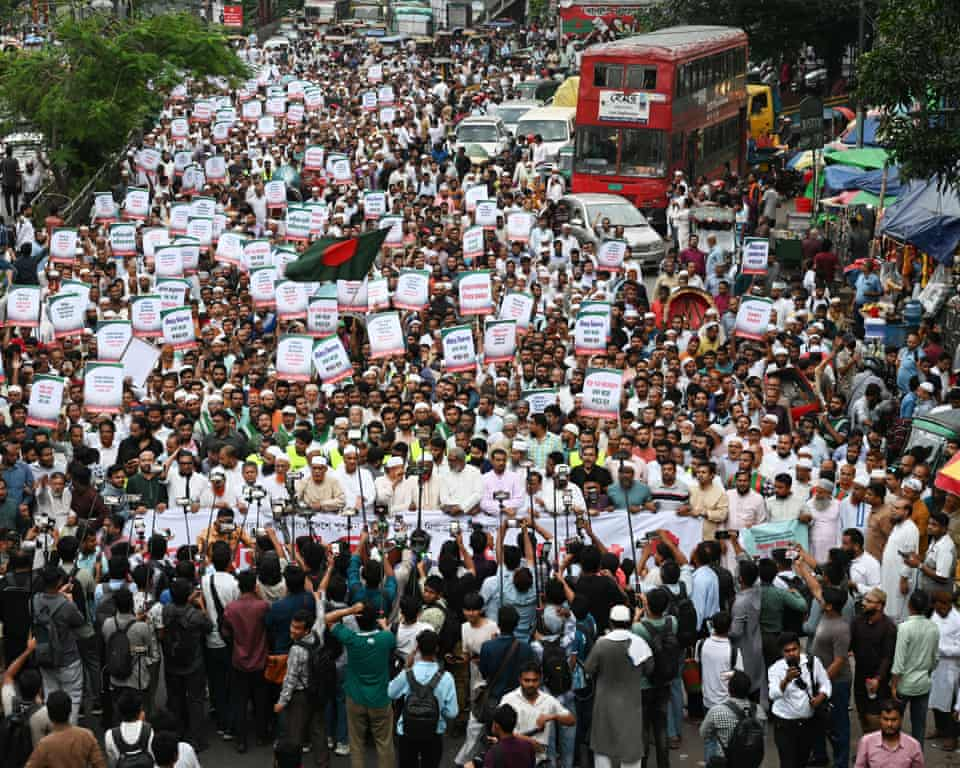
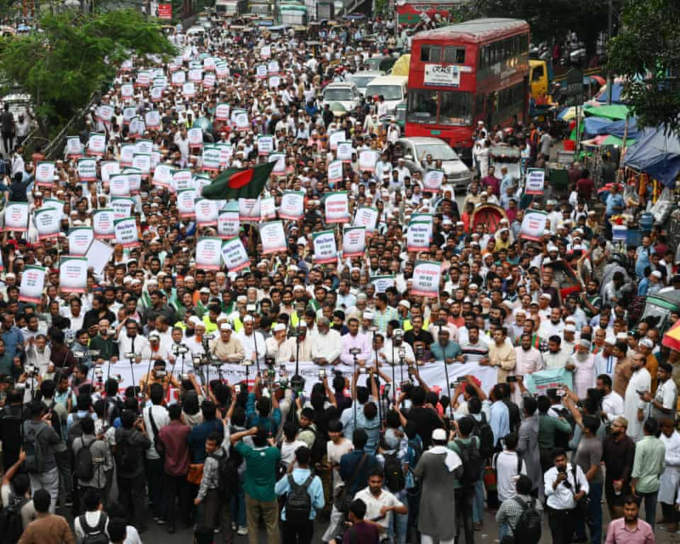
Protests have erupted across India following the removal of approximately 130 million names from the electoral register, raising serious concerns about voting rights and citizenship.
The controversy centres on the Special Intensive Revision (SIR), an exercise introduced by India’s Election Commission to remove duplicate registrations, deceased voters and ineligible entries.
However, opposition parties, civil society organisations and former election officials allege that millions of eligible citizens, particularly Muslims and disadvantaged communities, have also been excluded.
Demonstrators gathered in New Delhi over the weekend, demanding the resignation of Chief Election Commissioner Gyanesh Kumar, who supervised the controversial electoral revision exercise.
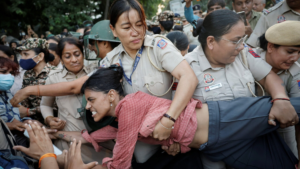
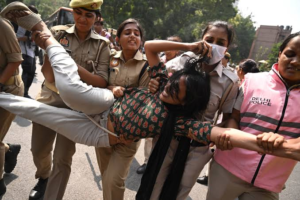
Security personnel reportedly detained thousands of protesters as authorities attempted to contain the demonstrations, while opposition parties organised another march through the capital on Monday.
The opposition subsequently submitted a petition to the Supreme Court, demanding accountability over the disputed electoral changes and raising concerns about the commission’s independence.
The controversy has intensified in West Bengal, where residents whose names disappeared from electoral records fear being accused of illegal immigration despite possessing citizenship documents.
One affected resident, Shahida Fakir, 38, said she presented her birth certificate, family land documents dating to 1962 and records confirming her parents’ voter registration.
Despite these documents, Fakir said police detained her in July, accused her of being an illegal Bangladeshi immigrant and forced her across the border.
She remains stranded in Bangladesh, a country she says she had never visited. A Bangladeshi border guard reportedly confirmed that officials believed she was Indian.
Her family has petitioned India’s Supreme Court to challenge her deportation, while Fakir continues seeking permission to return home and reunite with her relatives.
Another affected resident, Mohammad Hedayet Ullah Siddiqui, 80, said his name disappeared despite his family’s longstanding presence on electoral registers and his decades of voting.
Siddiqui expressed fears that losing his voter registration could expose him to detention or separation from his children and grandchildren, despite his family’s Indian roots.
Criticism has also focused on the Election Commission’s independence following changes to the appointment process for election commissioners in 2023, which critics say increased government influence.
The electoral revision began in Bihar in 2025, where more than six million names were reportedly removed before the Bharatiya Janata Party secured victory.
Opposition parties have questioned whether the exercise influenced electoral outcomes, but the BJP has rejected allegations that voter deletions were politically motivated.
Former election officials have criticised the process, with OP Rawat questioning changes to registration procedures and Ashok Lavasa calling for the exercise to be scrapped.
SY Qureshi, a former chief election commissioner, alleged that the process disproportionately targeted Muslims and argued that restoring eligible voters’ names was essential for public confidence.
The BJP, led by Prime Minister Narendra Modi, has denied wrongdoing, describing the accusations as misinformation and blaming opposition parties for spreading political division.
Its spokesperson, Sudhanshu Trivedi, rejected claims of electoral manipulation, while the Election Commission introduced restrictions on objection forms following reports of complaints targeting legitimate Muslim voters.
The continuing protests have intensified pressure on India’s electoral authorities, with affected residents demanding explanations for their exclusion and assurances that eligible citizens can exercise their voting rights.
The dispute has raised wider questions about minority rights, political representation and electoral fairness, placing India’s voter registration system under growing public scrutiny.














Leave a comment