


Pig Kidney Transplant Offers Man A Second Chance
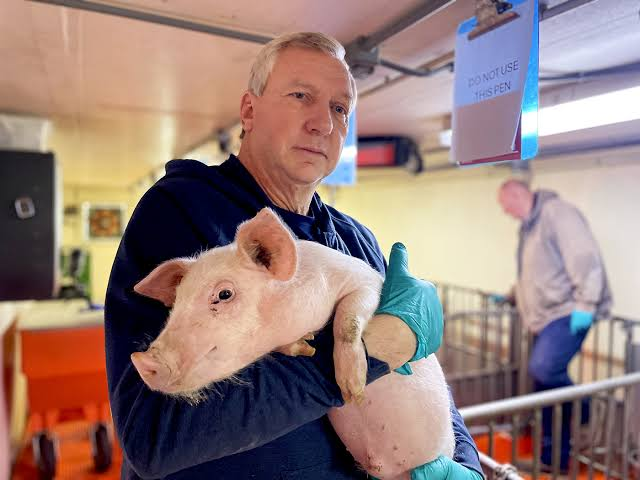
A genetically modified pig kidney has kept a 66-year-old American man with end-stage kidney disease off dialysis until he received a human transplant.

Tim Andrews, from New Hampshire, had kidney failure linked to type 2 diabetes and faced slim prospects of receiving a human donor kidney.
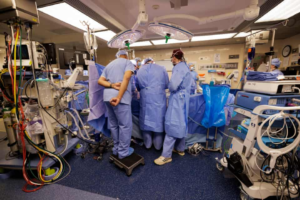
Surgeons at Massachusetts General Hospital transplanted the kidney from Wilma, a genetically modified Yucatan miniature pig, into Andrews in January 2025.
The organ was genetically altered to make it more compatible with the human immune system and reduce the risk of rejection.
The kidney functioned for 271 days, allowing Andrews to remain free from dialysis before he received a kidney from a deceased human donor.
The case marks the longest dialysis-free survival recorded after a pig kidney xenotransplantation in a living person.
It is also the first reported case in which a pig kidney served as a temporary bridge to a human kidney transplant.
Details of the medical breakthrough were published in The Lancet, offering fresh hope amid a global shortage of human organs.
Andrews described the transplant as a “miracle”, saying he was able to resume everyday activities including cooking, cleaning and taking long walks.

Before the procedure, doctors said Andrews had only a nine per cent chance of receiving a human kidney within five years.
He also faced a greater than 40 per cent risk of dying or being removed from the transplant waiting list.
The pig kidney therefore provided additional time while Andrews remained free from dialysis and waited for a suitable human donor.
Before transplantation, Wilma’s kidney underwent 69 genetic modifications to improve compatibility and reduce potential risks.
Some modifications were intended to prevent viruses that could threaten humans, while others reduced the likelihood of immune rejection.
After about six months, damage developed in the kidney’s blood vessels and eventually progressed to organ failure.
The pig kidney was removed after nine months, following which Andrews spent several months undergoing dialysis again.
He subsequently received a kidney from a deceased human donor, which continued functioning during six months of follow-up.
Doctors found no new antibodies against human tissue, suggesting the pig kidney had not compromised the subsequent human transplant.
No pig viruses or other pig-related pathogens were detected during the period Andrews had the genetically modified organ.
Dr Leonardo Riella of Mass General Brigham said the shortage of human organs remained one of transplantation’s greatest challenges.
He said xenotransplantation could initially provide a bridge for patients waiting for human organs and potentially become a long-term treatment.
However, the medical team cautioned that Andrews’ case involved only one patient and had no comparison group.
The researchers said the outcome also depended on careful patient selection and intensive specialist care that may not be widely available.
They said further clinical trials would be necessary to establish the safety and durability of pig kidney transplantation.
The successful case nevertheless strengthens the possibility of using genetically modified pig kidneys to help patients facing prolonged waits for human organs.