


Migrant Exodus Hits South Africa’s Workforce as Businesses Feel the Strain
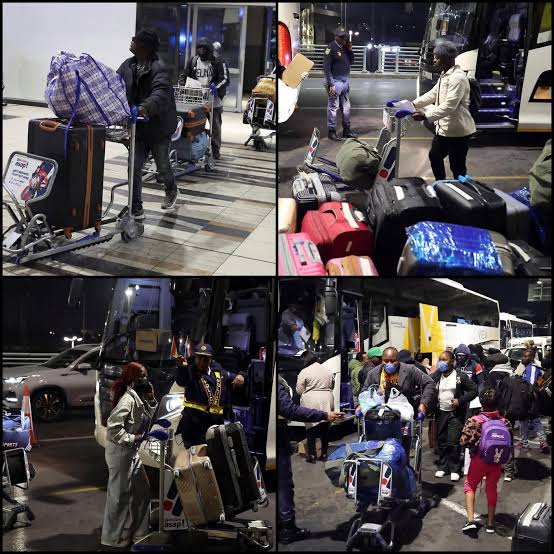
South Africa is beginning to feel the economic impact of a growing exodus of migrant workers as anti-immigrant protests continue to spread across parts of the country.

The departures are creating labour shortages in domestic services, ride-hailing platforms, food delivery and manufacturing, raising concerns over the country’s already fragile economy.
Authorities say about 67,000 migrants have either been deported or voluntarily returned to their home countries in recent weeks.
Zimbabwe alone says nearly 100,000 of its citizens have returned since late May, suggesting the true scale of the movement may be much larger.
The departures are disrupting industries that have long relied on foreign labour. Businesses are reporting fewer workers, rising service disruptions and concerns over filling vacant positions.
SweepSouth, a platform that connects households with domestic workers, said it recorded its highest number of cancelled bookings since the COVID-19 pandemic.
The company attributed the spike to transport disruptions and safety fears among workers.
Ride-hailing and delivery services have also been affected. The National E-Hailing Federation of South Africa estimates that at least half of app-based drivers are migrants, many of whom have left the country following protests that intensified at the end of June.
Shoprite’s Sixty60 delivery service has also been hit. Migrant workers reportedly make up about 70 per cent of its delivery riders, and some drivers say many of their colleagues have already returned to their home countries.
Although Shoprite declined to comment on the latest developments, the retailer has previously said many South Africans leave delivery jobs before completing training, forcing companies to rely on foreign workers.
The labour shortage is also being felt in Newcastle, one of South Africa’s major textile manufacturing centres, where unions estimate that around 15 per cent of the workforce has left.
Economists warn the sudden loss of migrant labour could reduce productivity and slow economic growth unless broader reforms are introduced to address unemployment, labour shortages and skills gaps.
Many migrant workers say they are leaving because they no longer feel safe. Some described abandoning jobs despite depending on the income to support families back home.
South Africa hosts millions of migrants, many from Zimbabwe, Malawi and Mozambique. Besides supporting key sectors of the economy, they also send billions of rand home every year through remittances, making their departure a significant concern for neighbouring countries as well.
Government officials acknowledge public concerns that some employers prefer hiring foreign nationals because they are willing to accept lower wages and poorer working conditions.

However, labour experts argue that replacing migrant workers may prove difficult, as many South Africans seek higher pay and better working conditions than those offered in these sectors.
























https://shorturl.fm/0B1Xy