

Chewing Gum Can Cut Cancer-Linked HPV By 93% — Researchers
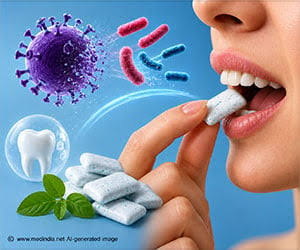
Researchers at the University of Pennsylvania have developed a specially engineered chewing gum that can reduce levels of human papillomavirus, HPV, linked to some head and neck cancers.
Tests on oral samples from patients showed that the gum reduced HPV levels by 93% in saliva and 80% in oral-rinse samples.
The study, led by Henry Daniell of the University of Pennsylvania’s School of Dental Medicine, was published in Scientific Reports.
The researchers said the gum delivers biological agents directly into the mouth, allowing it to target harmful microbes without destroying beneficial bacteria that support oral health.
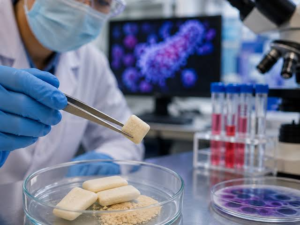
HPV was among three cancer-associated microbes tested in the study. The other two were Porphyromonas gingivalis and Fusobacterium nucleatum, bacteria linked to head and neck cancer.
Researchers also modified the gum by adding protegrin, an antimicrobial peptide capable of destroying harmful bacteria.
A single dose of the modified gum reduced both bacterial species to almost undetectable levels in laboratory tests.
The new gum builds on earlier research involving lablab beans, which contain FRIL, a naturally occurring protein with antiviral properties.
Daniell said the rise in HPV-related oropharyngeal cancers and links between the two bacteria and poorer outcomes in some oral cancer patients underline the need for new approaches.
However, the researchers cautioned that the findings do not show that the chewing gum can prevent or cure cancer.
The experiments were carried out using oral samples rather than patients receiving the gum as a treatment. Clinical trials will therefore be required to determine its safety and effectiveness in humans.
If proven safe and effective, the researchers said the technology could eventually be used alongside existing cancer treatments or as a preventive approach for people at increased risk of infection.
The researchers added that delivering the treatment through chewing gum could make the approach relatively simple and accessible if it succeeds in future clinical trials.