

FIFA’s $20bn Commercial Gamble Sparks Global Revolt as UEFA Warns: ‘Football Is Not for Sale’
World football has been thrown into one of its fiercest governance battles in years after FIFA unveiled a controversial proposal that could see private investors buy into the commercial future of the World Cup and other major tournaments.
The plan, championed by FIFA president Gianni Infantino, has ignited a wave of resistance across Europe, with UEFA, national football associations, leagues and political leaders warning that the move risks turning football’s biggest competitions into financial assets rather than sporting institutions.
At the heart of the proposal is the creation of a new commercial company known as FIFA Forward Enterprise (FFE).
The entity would oversee the commercial side of FIFA competitions, including broadcasting rights, sponsorship deals, ticket sales and licensing.
To raise fresh capital, FIFA intends to sell minority, non-controlling stakes in the company to private investors.
The governing body believes the venture could be valued at around $20 billion, with up to $4.2 billion expected from outside investment.
According to a letter sent to FIFA’s 211 member associations, countries have until September 19 to decide whether they support the proposal.
Infantino argued that approval would unlock significantly higher development funding for football around the world.
Under the proposed arrangement, FIFA says more than $10 billion could be distributed for football development over the next four years.
Associations that support the initiative would have access to larger financial packages from January 2027, while those rejecting the plan could receive considerably less under FIFA’s existing funding programme.
The financial incentive has become one of the proposal’s most contentious elements, with critics arguing that member associations are being placed under pressure to support a project whose long-term consequences remain unclear.
Opposition has been swift and uncompromising. UEFA described the proposal as crossing “a line that football’s governing institutions should never cross,” insisting that the governance and identity of the sport should never become commodities available to investors.
An emergency meeting involving UEFA’s 55 member associations has been scheduled to coordinate a response.
Reports suggest that discussions could even include the possibility of boycotting FIFA competitions if the governing body proceeds without broader consensus.
Several national football associations also expressed concern over the manner in which the proposal surfaced.
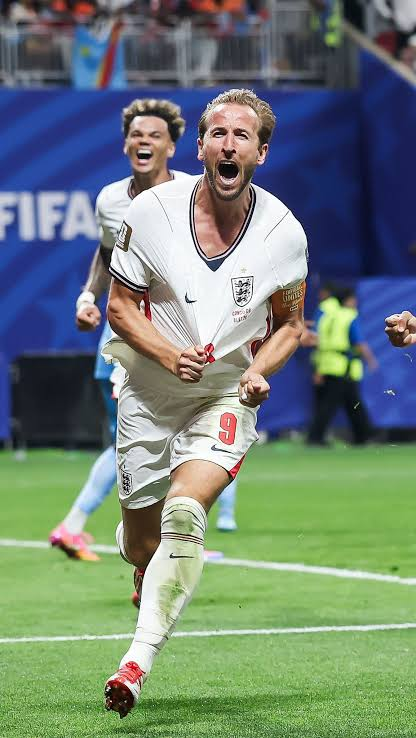
England’s Football Association said it had not been properly briefed before details became public, describing the lack of transparency as deeply worrying.
Similar concerns were echoed by the Football Association of Wales and the Irish Football Association, both of which said they would reserve judgment until receiving FIFA’s complete proposal.
Criticism has extended beyond football administrators.
British political leader Andy Burnham argued that football belongs to supporters rather than investors, while LaLiga president Javier Tebas accused FIFA of treating global football as though it were private property.
European Commissioner for Sport Glenn Micallef also warned that relentless commercialisation risks eroding the values that made football the world’s most popular game.
Adding to the pressure, the European Leagues organisation, representing more than 1,000 clubs across 31 countries, issued its own condemnation, a position later backed by the Premier League.
Facing mounting criticism, FIFA has defended the proposal, insisting that governance of the game would remain entirely under its control.
The organisation stressed that any investment would be made only in the new commercial subsidiary and not in FIFA itself.
It also maintained that all sporting regulations, competition management and international football decisions would continue to be controlled exclusively by FIFA.
The governing body says the objective is simple: generate greater commercial value and channel more money into football development across every region of the world.
FIFA also dismissed speculation that Infantino could later take charge of the proposed company after leaving office, saying no such discussions have taken place.
The project is reportedly being advised financially by JP Morgan, while investment firm Thrive Capital is expected to lead the group of potential investors.
Despite FIFA’s assurances, many within football remain unconvinced.
Relations between FIFA and UEFA had already been strained before the proposal emerged. The latest dispute has widened that divide, raising fresh questions about transparency, governance and who ultimately controls the future of the world’s biggest sport.
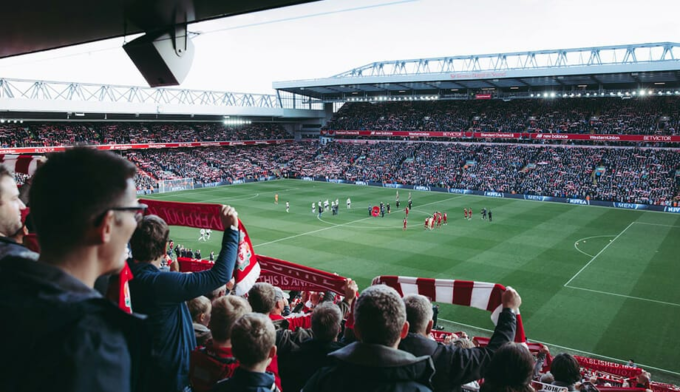
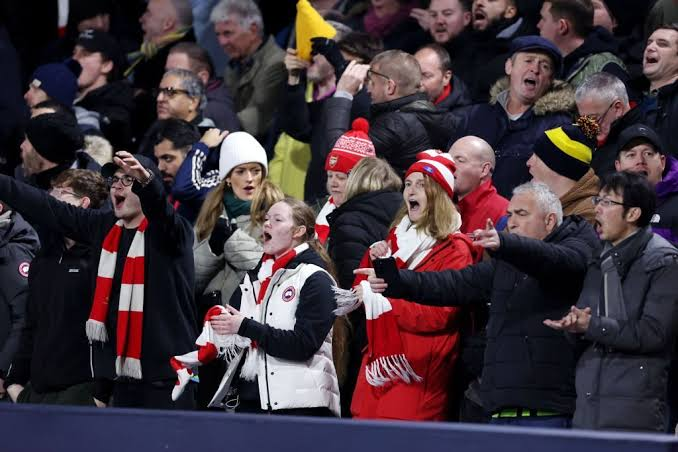
For supporters, the debate reaches beyond finance. It touches the very identity of football.
As the September deadline approaches, FIFA’s member associations face a defining choice, embrace what supporters describe as a bold commercial revolution or reject a plan critics believe risks putting the game’s soul on the market.
As the saying goes, “Not everything that has value should have a price.” Whether football remains one of those things may soon be decided.