


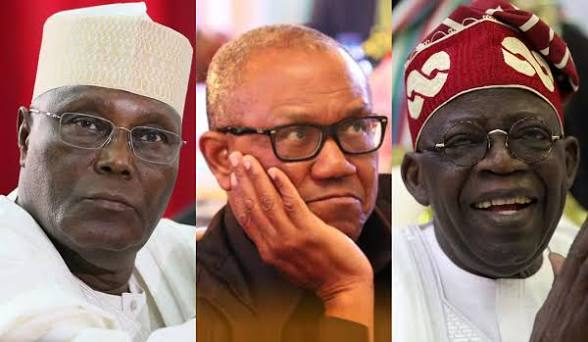
2027: Julius Abure Rejects Peter Obi, Opens Door to Tinubu and Atiku Alliance
Former Labour Party National Chairman Julius Abure has ruled out supporting Peter Obi in the 2027 presidential election, expressing willingness to work with President Bola Tinubu or Atiku Abubakar.
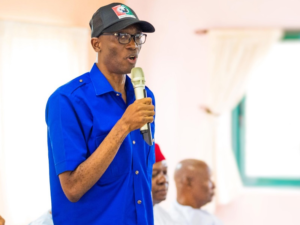
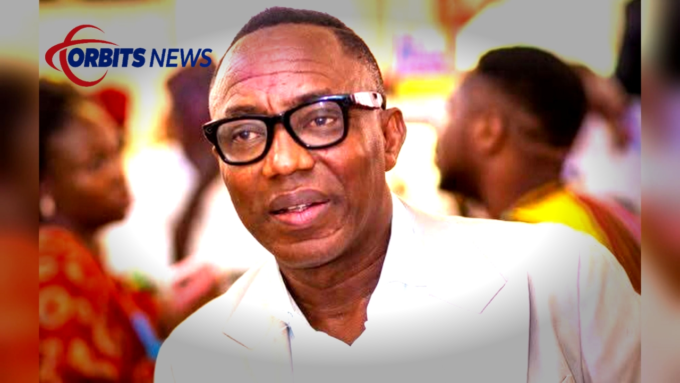
Julius Abure
Abure said his eventual political choice would depend on the Supreme Court’s decision regarding the Labour Party leadership dispute, alongside his political interests and ideological convictions.
He also indicated that his supporters could become part of another presidential campaign, provided the candidate met his political expectations and enjoyed sufficient public acceptance.
Speaking exclusively to The PUNCH, Abure said he would begin considering offers from interested presidential candidates if the Supreme Court failed to deliver its judgment before November ended.
He explained that any political arrangement must accommodate the interests of his supporters, stressing that his decision would extend beyond his personal ambitions.
Abure maintained that he remained unwilling to support Obi, accusing the former Anambra State governor of wasting the political goodwill and organisational strength that propelled his 2023 presidential campaign.
Although he expressed openness to alliances with other major political contenders, Abure excluded the Nigeria Democratic Congress because of Obi’s presence.
He said he had not entered negotiations with any presidential candidate, adding that consultations with his supporters would influence his eventual decision.
The former Labour Party chairman further claimed that several supporters remained loyal to his political structure despite defections by some members.
Abure accused Obi and Abia State Governor Alex Otti of contributing to the Labour Party’s internal crisis, alleging that they dismantled its organisational structure across different levels.
He particularly criticised the emergence of another National Working Committee in Owerri, describing the development as damaging to the party’s unity.
The disagreement between Abure and Obi developed during the prolonged leadership crisis surrounding the Labour Party’s national convention and control of its organisational structure.
While Abure accused Obi and Otti of undermining his leadership, Obi’s allies alleged that the former chairman violated an agreement concerning an inclusive convention.
The disagreement eventually widened their political differences, prompting Obi to move away from the Labour Party and seek another political platform.
Abure questioned Obi’s leadership abilities, arguing that his handling of the Labour Party crisis raised concerns about his capacity to govern Nigeria.
He also criticised Obi’s political movement from the Labour Party to the African Democratic Congress before eventually joining the NDC.
According to Abure, Obi’s political transition reflected unsuccessful attempts to secure his preferred leadership arrangements within the parties.
He also argued that Obi would not enjoy the same political influence under NDC National Leader Seriake Dickson.
Abure maintained that Dickson exercised firm control over the NDC and would prevent the leadership disagreements that affected the Labour Party.
Assessing Obi’s chances in 2027, Abure predicted that the former governor would struggle to reproduce his performance in the 2023 presidential election.
He claimed Obi had lost substantial political goodwill, human capital, financial resources and campaign support since leaving the Labour Party.
Abure further argued that Obi’s departure weakened the organisational machinery responsible for his performance, which attracted more than six million votes in 2023.
However, the NDC Presidential Campaign Council dismissed Abure’s comments, insisting that Obi remained focused on his presidential ambition.
The council’s spokesperson, Constance Ikokwu, said Obi was concentrating on national issues and mobilising Nigerians ahead of the 2027 election.
Ikokwu wished Abure well in his political activities, adding that the NDC was committed to its campaign priorities.
Similarly, Obi’s media aide, Idris Zekeri, said the former Labour Party chairman was no longer central to their political calculations.
Zekeri maintained that Obi’s supporters had moved beyond the disagreements surrounding Abure and were concentrating on securing victory.
He urged Nigerians who valued fairness, justice, competence, compassion and accountability to support Obi’s presidential ambition.
The media aide also suggested that Abure’s opposition to Obi stemmed from unresolved personal grievances rather than broader national considerations.
Nevertheless, he acknowledged that political disagreements remained part of democratic participation, insisting that Nigerians were free to support their preferred candidates.


















Leave a comment