


‘The Commonwealth Should Look Forward, Not Backwards’: Badenoch Rejects Britain’s Slave Trade Apology
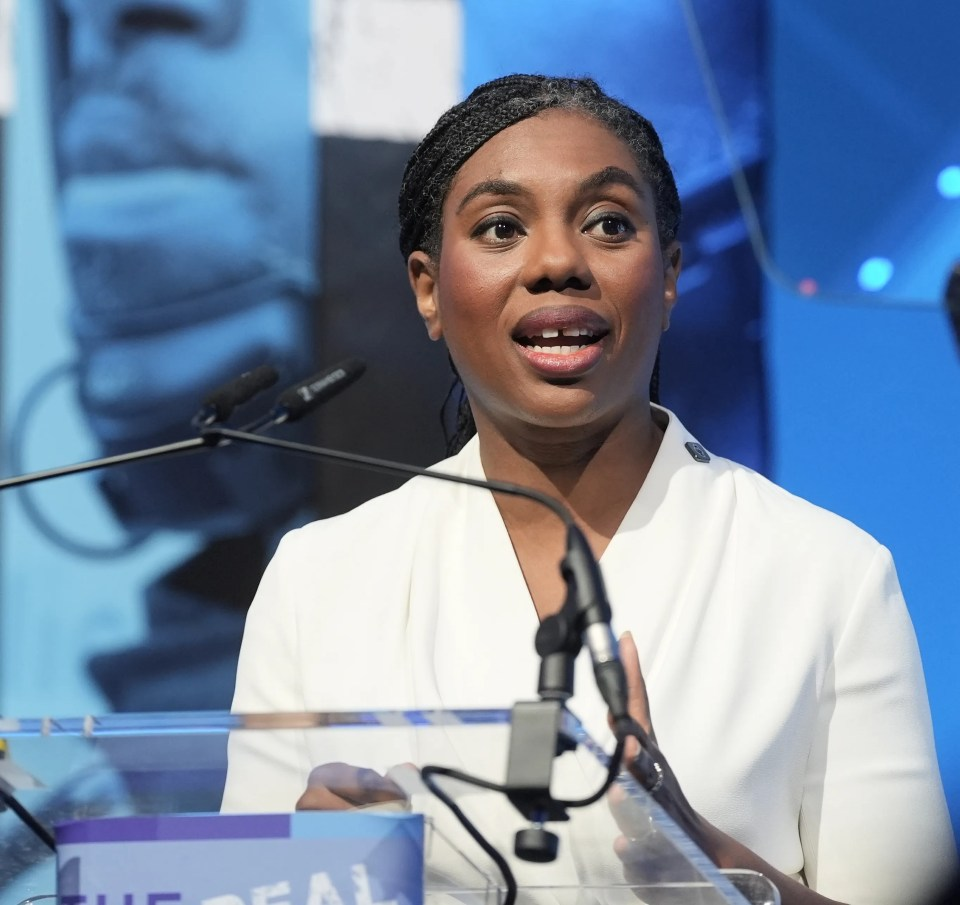
UK Conservative Party leader Kemi Badenoch has rejected calls for Britain to apologise for its involvement in the transatlantic slave trade.
She described the proposed apology as an unnecessary distraction, arguing that slavery involved people from different continents, including African kingdoms and merchants.
Her comments followed Prime Minister Andy Burnham’s indication that he was considering a formal apology ahead of the Commonwealth Heads of Government Meeting (CHOGM).
Speaking to broadcasters on Sunday, Badenoch questioned whether future British leaders should continue attending Commonwealth summits if discussions became dominated by reparations.
She argued that historical discussions should acknowledge everyone’s involvement rather than concentrate on Britain’s role alone.
In a statement shared on social media, she asked:
“If Caribbean countries are asking Britain for a formal apology for Britain’s role in the transatlantic slave trade, will they also be asking the same of the descendants of African kingdoms, rulers and merchants who captured, sold and profited from the trade?”
She further stated: “Slavery was an evil in which people from every continent and region participated.”
Badenoch insisted that Britain should acknowledge the complete historical record rather than select events that suit contemporary political arguments.
“We should be honest about the whole history, not select the parts that are politically convenient today, especially given Britain’s leading role in ending the transatlantic slave trade,” she said.
She also questioned the justification for another apology, referring to former Prime Minister Tony Blair’s earlier expression of regret.
“The Commonwealth should be looking forward, not endlessly backwards,” Badenoch wrote.
During her Sky News interview, she warned that an apology could encourage campaigners to demand financial compensation from Britain.
“What I’m worried about is that this CHOGM summit is yet another opportunity for people to start asking Britain for money because of the slave trade,” she said.
She added: “I don’t think we should be giving any money to compensate people for the slave trade, and I don’t think Andy Burnham needs to be apologising because it is a lever to wedge open the door to ask for cash.”
Badenoch recalled previous international debt relief campaigns, including Jubilee 2000, Drop the Debt and Make Poverty History.
She noted that those initiatives secured more than $100 billion in debt cancellation for developing countries approximately 25 years ago.
However, she argued that several beneficiary countries had subsequently accumulated even larger debts.
Meanwhile, Burnham maintained that Britain could consider a formal apology without introducing direct financial compensation.
In an article published by The Guardian, he expressed willingness to explore more favourable debt restructuring arrangements for poorer countries.
UK Chancellor John Healey also supported discussions about an apology but rejected financial responsibility for present-day British taxpayers.
“The Prime Minister has said, look, we are open to a discussion about an apology. He feels that’s the right thing, particularly ahead of the Commonwealth leaders’ conference,” Healey said.
He added that considering an apology did not mean current British citizens should accept financial liability for historical events in which they played no part.
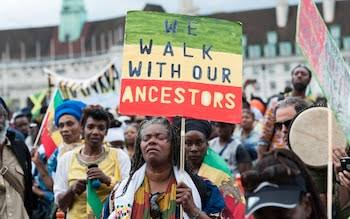
The disagreement comes ahead of the Commonwealth summit in Antigua and Barbuda, where Britain’s historical involvement in slavery and demands for reparations remain major issues.
















Leave a comment