

US–Iran Peace Talks Collapse as Lebanon Fighting Escalates
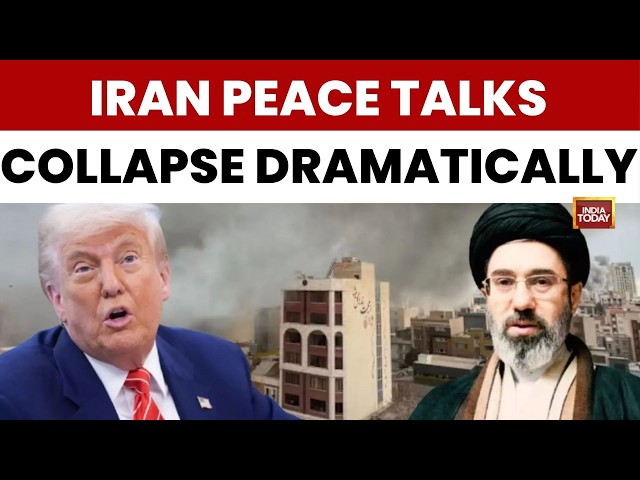
US–Iran talks scheduled to take place in Switzerland have been abruptly cancelled, as renewed fighting between Israel and Hezbollah in southern Lebanon escalated sharply.
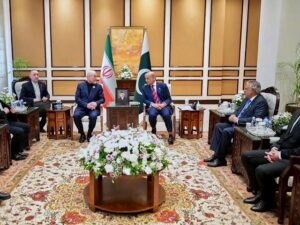
The discussions, expected to begin in the Swiss village of Obbürgen, were part of a diplomatic process aimed at implementing a ceasefire framework linked to Iran’s nuclear programme and regional security arrangements, including stability in the Strait of Hormuz.
The White House confirmed the cancellation, saying Vice President JD Vance would no longer travel to the summit, citing rapidly changing conditions on the ground and logistical complications. His team had already been preparing to depart when the decision was reversed.
The talks were expected to follow a recent memorandum of understanding intended to open a 60-day negotiation window toward a more permanent agreement between the United States and Iran, with broader implications for Middle East stability.
However, the diplomatic effort was overtaken by renewed violence in southern Lebanon, where Israel and Hezbollah exchanged some of their heaviest strikes since a previous ceasefire arrangement.
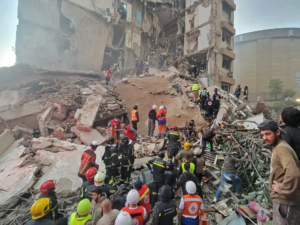
Hezbollah launched rocket attacks targeting Israeli positions near Nabatieh, while Israel responded with a wave of airstrikes across southern Lebanese towns. Lebanese health authorities said at least 16 people were killed and dozens injured.
Hezbollah said its strikes were aimed at Israeli forces operating near the southern front, while Israel accused the group of violating ceasefire terms and expanding hostilities.
The escalation came amid already fragile diplomatic conditions. Israeli forces have continued operations in southern Lebanon, and both sides have traded accusations of breaching earlier understandings.
In Washington, officials said the United States still hopes to resume technical discussions “as soon as possible,” despite the setback.
A spokesperson for the White House described the situation as fluid, stressing that negotiations had always been vulnerable to developments on the ground.
Iranian officials, meanwhile, signalled hesitation over the talks, insisting that implementation of earlier agreements would be necessary before further engagement.
Tehran also accused opposing sides of undermining the process through continued military action.
The situation has further complicated an already volatile regional conflict that has stretched across multiple fronts since renewed hostilities erupted, with thousands of casualties reported and widespread damage across Lebanon and parts of northern Israel.
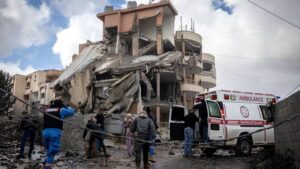
Diplomatic sources say the cancelled meeting underscores how quickly ceasefire efforts are being overtaken by battlefield developments, leaving the future of the US–Iran framework uncertain.