

Why Canada Is Among Five Countries Losing US Diplomatic Missions
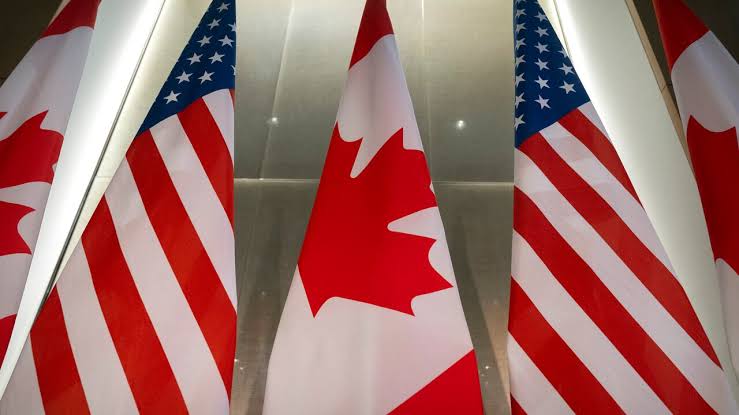
The United States is preparing to scale back its diplomatic presence overseas, and Canada is among the five countries expected to be affected by the move.
The decision, which has already been communicated to members of Congress, would see the US close diplomatic missions in Winnipeg, Canada; Nagoya, Japan; Medan, Indonesia; Douala, Cameroon; and St. George’s, Grenada.
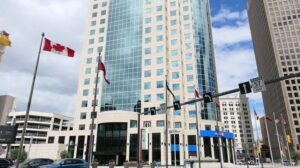
The proposal represents one of the most significant reductions in America’s overseas diplomatic network in recent years.
Rather than being triggered by war or a diplomatic crisis, the planned closures are tied to the administration’s drive to reduce government spending and reshape federal agencies under President Donald Trump’s “America First” agenda.
According to Reuters, discussions about trimming the country’s diplomatic footprint began more than a year ago.
While the State Department reportedly examined the possibility of shutting nearly a dozen missions, officials within the White House budget office are said to have supported an even larger reduction involving as many as 30 diplomatic posts.
Supporters of the proposal believe some smaller diplomatic offices no longer offer enough strategic or economic value to justify the cost of keeping them open.
They argue that resources can be redirected to locations considered more important to US foreign policy.
The proposal, however, has sparked concern among diplomats, foreign policy analysts and Democratic lawmakers.
They warn that reducing America’s presence abroad could weaken Washington’s influence in several regions and allow rival powers, particularly China and Russia, to expand their diplomatic reach.
Although the State Department underwent a broad internal restructuring last year, eliminating dozens of offices and hundreds of positions, none of its foreign missions were shut during that exercise.
The latest proposal therefore marks a more visible shift in how the administration intends to manage its diplomatic operations overseas.
Responding to questions about the reported closures, the State Department neither confirmed nor denied the plan.
It said only that it remains committed to maintaining an effective diplomatic network while complying with congressional notification requirements.
US Secretary of State Marco Rubio has repeatedly defended the administration’s cost-cutting reforms, saying they are designed to improve efficiency and ensure taxpayer funds are used more effectively.
Among the missions identified, the office in St. George’s serves as a full embassy, while the facilities in Winnipeg, Nagoya and Medan operate as consulates. The office in Douala functions as an embassy branch outside Cameroon’s capital.
The move also contrasts with the approach taken during the administration of former President Joe Biden, which expanded America’s diplomatic presence in parts of the Pacific to counter China’s growing influence in the region.
Interestingly, while China does not maintain diplomatic missions in Winnipeg or Douala, it has diplomatic representation in St. George’s, Nagoya and Medan, three locations where the United States is now considering scaling back its presence.

Whether Congress raises objections or the proposal moves ahead, the planned closures signal a new direction in Washington’s foreign policy, one that places greater emphasis on reducing costs, even if it means shrinking America’s diplomatic footprint around the world.