

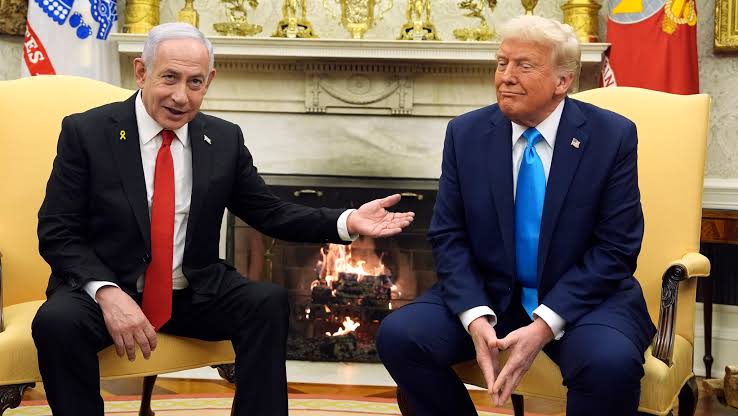
We were betrayed by President Trump: Israeli anger grows after Iran ceasefire
In central Israel, anger and disbelief are spreading after a surprise ceasefire agreement between Iran and the United States, with many residents saying the deal leaves Israel exposed and politically sidelined.
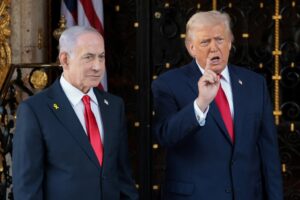
At a brasserie off Herzl Street in Rehovot, a town often seen as reflecting mainstream Israeli opinion, conversations were dominated by the sudden shift from active regional conflict to an uneasy calm that many say feels incomplete.
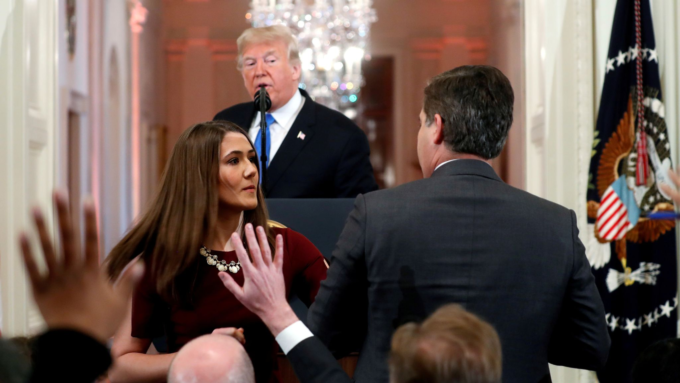
“We were betrayed by President Trump,” said Avi Perez, 55, expressing frustration shared by others who believe Israel was not adequately considered in the negotiations.
For some, the ceasefire has not brought relief but uncertainty. Residents described returning from air-raid shelters only days earlier, only to be told that normal life could resume despite what they see as unresolved security threats in the region.
There is growing concern among many Israelis that Iran could use the pause to rebuild its military capabilities, particularly its missile program, while Israel remains on high alert over the influence of Hezbollah in Lebanon.
In northern communities closer to the Lebanese border, frustration is even more intense. Some argue that recent military operations have failed to deliver decisive results, leaving Israel facing continued instability and strategic ambiguity.

The political impact is also being felt inside Israel. Analysts say public confidence in leadership has been shaken, with questions emerging about whether the government’s wartime objectives were realistic or achievable.
Opposition figures and commentators argue that Israel is more divided than ever, not only over security strategy but also over domestic political direction, with tensions over governance, the economy, and national priorities adding to the strain.
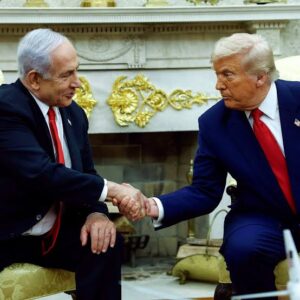
Still, support for strong security leadership remains significant among parts of the population, particularly those who believe Israel must maintain a firm stance in a volatile region regardless of diplomatic developments.
But others express a more pessimistic outlook, saying the latest developments reinforce a long-standing belief that lasting peace remains elusive.
As one resident, Dahlia Perez, put it: “We understand now that we have no friends and we cannot trust anyone.”

For many in Rehovot, the ceasefire has not delivered closure, only a renewed sense of uncertainty about what comes next.