

U.S. and Iran Agree on Shipping Safety Mechanism in Strait of Hormuz Talks
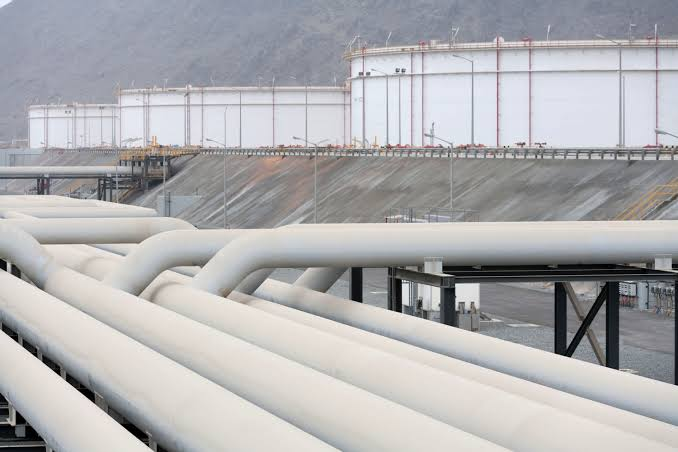
Iran says it has reached a set of understandings with the United States during negotiations in Switzerland, including plans to establish an emergency coordination system aimed at securing safe maritime traffic through the Strait of Hormuz, a critical global route for oil and gas shipments.
According to Iranian Foreign Ministry spokesperson Esmail Baghai, the discussions, reported by the Tasnim news agency, focused on several interconnected issues, including the future of Iranian crude exports, potential relief on frozen Iranian financial assets, and technical arrangements for monitoring shipping activity in the strategic waterway.
Baghai said Tehran ultimately declined to continue a four-party meeting involving U.S. representatives after what Iran described as “threatening statements” from Washington.
Despite the breakdown in direct engagement, mediators from Qatar and Pakistan are expected to continue facilitating communication between the sides.
Iranian officials indicated that technical working groups will remain active, with mediators tasked to draft a document summarizing areas of agreement within the next 18 hours.
These include preliminary understandings on maritime safety coordination and broader economic issues still under negotiation.
Iran’s Foreign Minister Abbas Araghchi said on social media platform X that discussions in Bürgenstock also covered oil export arrangements and the possible unfreezing of Iranian assets abroad, signaling that economic sanctions relief remains central to Tehran’s position.
Reports from mediating parties suggest that both sides also agreed in principle to a conflict-management framework linked to ongoing tensions in Lebanon, where hostilities between Israel and Hezbollah continue to threaten regional stability.
However, accounts from regional media indicate that negotiations were tense, with Iran allegedly demanding stronger political concessions, including an apology from U.S. President Donald Trump and the withdrawal of Israeli forces from Lebanon, claims not independently confirmed by all parties involved.
The U.S. delegation, which included Vice President J.D. Vance, Special Envoy Steve Witkoff, and Jared Kushner, met with senior Iranian officials led by Araghchi and parliamentary speaker Mohammad Bagher Ghalibaf during the talks.
While both sides have signaled willingness to continue engaging through mediators, the latest developments underline the fragility of the process, with progress on technical maritime safety issues contrasted by deep political disagreements that remain unresolved.