

Thousands Seek Escape as South Africa Prepares for Anti-Immigrant Protests
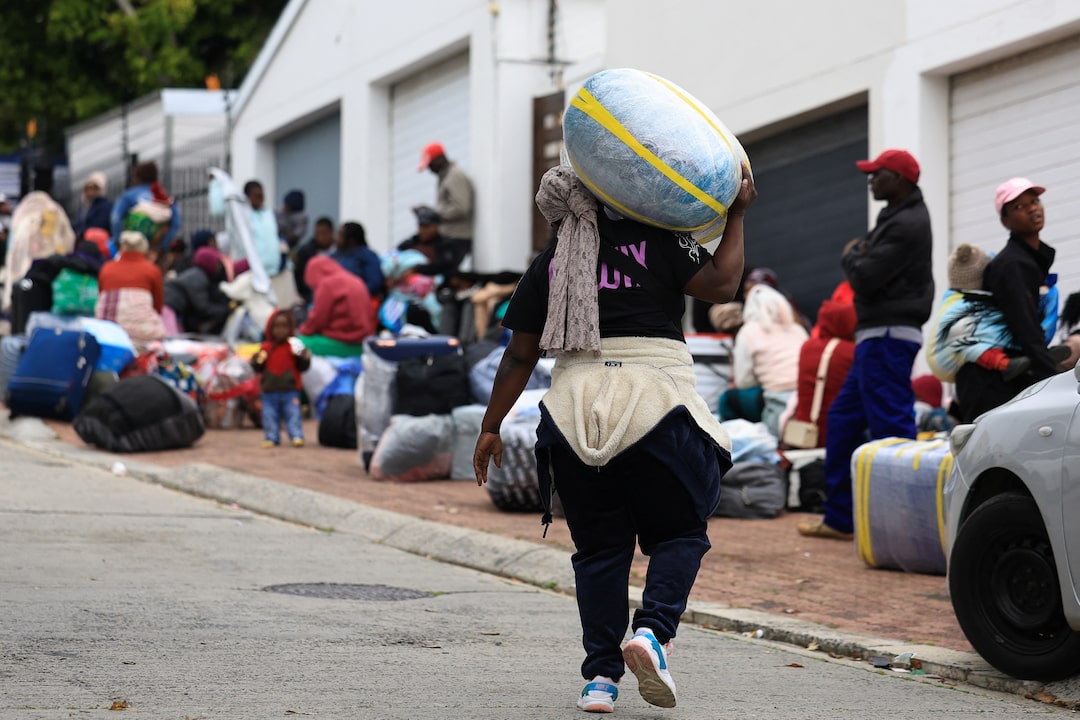
Thousands of foreign nationals are scrambling to leave South Africa ahead of planned anti-immigrant protests on June 30, amid growing fears that the demonstrations could erupt into violence despite government appeals for calm.
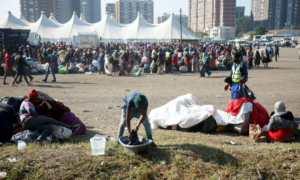
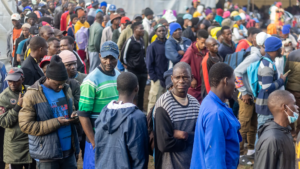
In Durban, long queues formed at a temporary processing centre as Malawian migrants waited for transport home.
In Cape Town, hundreds of Zimbabweans spent the night outside their country’s consulate, hoping to secure places on repatriation buses before the protests begin.
Many said they were unwilling to risk remaining in the country.
“We are afraid because we don’t know what could happen,” said Ebrahim Moosa, who joined the queue in Durban with his wife, hoping to return to Malawi.
South Africa has witnessed renewed xenophobic attacks in recent weeks, with reports of foreigners being assaulted, displaced and forced from their homes.
Anti-immigration activists have demanded that undocumented migrants leave the country by June 30, raising concerns that protests planned across several cities could turn violent.
Authorities say security agencies will be heavily deployed to prevent unrest. President Cyril Ramaphosa has assured citizens that law enforcement is prepared, while police have urged demonstrators to remain peaceful and allow officers to handle immigration enforcement.
Although organisers of the protests insist they are not promoting violence, they have also said they cannot be held responsible for any disorder that occurs during the demonstrations.
The unrest has triggered large-scale repatriation efforts by neighbouring countries. Mozambique, Malawi and Zimbabwe have been arranging buses to take their citizens home, but demand has far exceeded available transport.
Some migrants have already lost everything. Mozambican national Antonio Njive said he fled after his home was set ablaze during attacks earlier this month that reportedly claimed the lives of five fellow Mozambicans.
Others have nowhere safe to return.
Leanne Sefu, an asylum seeker from the Democratic Republic of Congo who has lived in South Africa since childhood, said returning to her homeland is not an option because of the ongoing conflict there.
After being attacked at her workplace and forced out of her home in Durban, she has been sleeping outside a government office while hoping authorities can provide temporary shelter.
South Africa remains the continent’s largest economy and continues to attract migrants seeking better opportunities.
However, recurring xenophobic violence has fuelled tensions, with immigrants frequently blamed for unemployment, crime and pressure on public services.
President Ramaphosa has urged South Africans not to scapegoat foreigners, arguing that the country’s deep social and economic challenges are rooted largely in the enduring legacy of apartheid.