

By: Chioma Madonna Ndukwu
The Way We Live: The Empty Chair Beside Mama
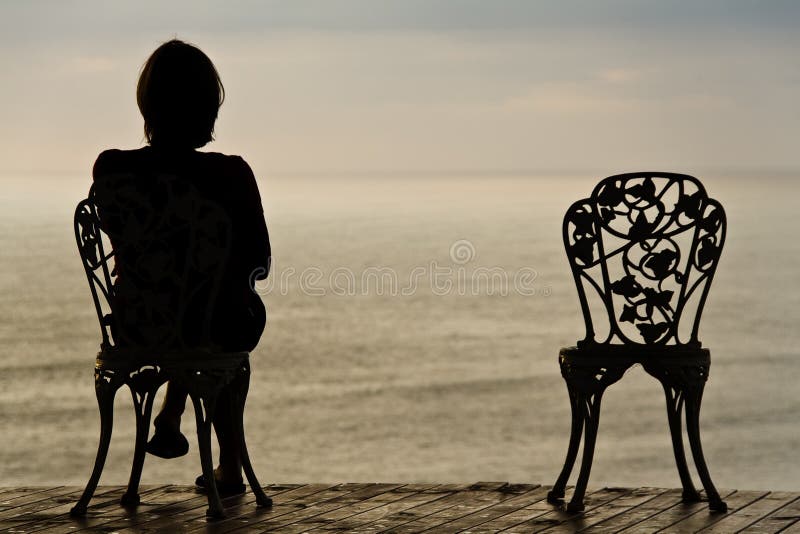
Every evening at exactly six o’clock, Mama Adaeze dragged a faded plastic chair to the front of her shop and placed it beside her own.

Nobody sat there, not anymore. Yet she kept bringing it out. Customers often asked why. She always smiled and changed the subject.
“Madam, is someone coming?” a young boy asked one evening as he bought biscuits.
“Yes,” she replied.
Then she looked down the dusty road.
“Maybe.”
The chair once belonged to her husband, Emeka. Years ago, the two of them closed the shop together every night. He counted the money. She packed the goods.
Then they walked home arguing about small things; school fees, fuel prices, whose turn it was to fetch water.
Back then, they thought their biggest problem was not having enough. Then opportunity arrived. Or what looked like opportunity.
One afternoon, Emeka came home carrying a passport application form.
“I’ve been talking to someone in Italy,” he announced.
Mama Adaeze laughed.
“Italy? You that have never gone beyond Lagos?”
“I am serious.”
“You are dreaming.”
“Maybe,” he said. “But if the dream works, our children won’t suffer like we did.”
For weeks they argued, then they started planning. they borrowed and even sold things.
And one morning, Emeka left.The entire compound gathered to wave goodbye. Everyone celebrated.
Migration looked beautiful from the departure gate, but the heartbreak came later. The first few months felt easy. There were video calls, voice notes, pictures beside unfamiliar buildings.
“Look at this place,” Emeka would say excitedly. “You won’t believe it.”
The children fought to hold the phone.
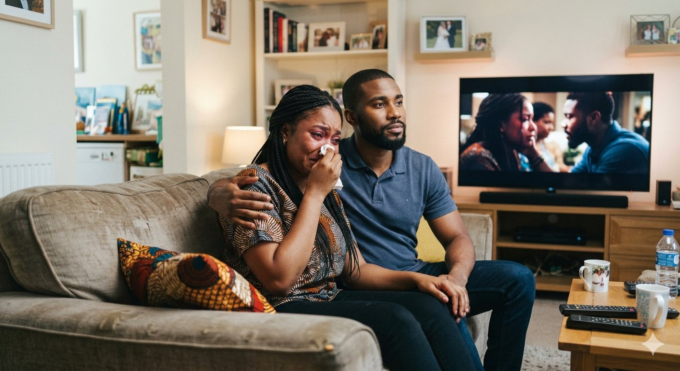
“Daddy, when are you coming home?”
“Soon.”
“Will you bring gifts?”
“Of course.”
At first, “soon” sounded real.
Then years began passing through it. The calls became shorter, work became harder, and even schedules stopped matching. Life started happening in separate time zones.
One evening, their youngest daughter walked into the shop carrying a school form.
“Mama, they said fathers should sign this.”
Mama Adaeze stared at it.
“Send it to him.”
The little girl frowned.
“Daddy is always sleeping when we’re awake.”
Nobody replied.
The form stayed on the counter until the next day.
Across the world, similar scenes were unfolding.
In London, a taxi driver ended every night watching recorded videos from his children because his shifts clashed with their school hours.
In Dubai,a woman kept her husband’s side of the bed untouched for four years while he worked overseas.
In New York, a teenager celebrated two birthdays without seeing her mother, who was working abroad to support the family.
Different countries, with different languages, and the same empty chair.
One December, Emeka finally returned. The compound erupted with celebration. People danced. Children ran around screaming.

Mama Adaeze stood by the doorway smiling. But something felt strange. The children were taller, jokes arrived slower, and conversations stumbled.
The man who walked into the house was both familiar and unfamiliar at the same time. That night, everyone sat together for dinner.
Silence appeared more often than expected. Later, after the children slept, Emeka sat outside.
“So much has changed,” he said quietly.
Mama Adaeze nodded.
“You missed many things.”
“I know.”
“You missed Ada’s first prize.”
He looked down.
“I know.”
“You missed Chinedu breaking his arm.”
Another nod.
“I know.”
Then neither spoke for a while. The silence between them wasn’t anger. It was years. A few days later, Emeka was due to leave again.
The children tried not to talk about it. Nobody wanted to give departure another name.
On the morning he left, his son asked a question that nobody was prepared for.
“Daddy, are we your home or your project?”
The compound suddenly felt very quiet. Emeka looked at him.
“What do you mean?”
The boy shrugged.
“You always say you’re doing all this for us.”
His voice cracked slightly.
“But you’re never here with us.”
Nobody had an answer big enough for that moment.
Later that evening, after the car disappeared down the road, Mama Adaeze carried the familiar plastic chair outside again.
She placed it beside hers as usual. A customer watched her.
“Madam, why do you keep bringing that chair out?”
This time she smiled, not sadly, just honestly.
“Because love left to find a better life,” she said. “And sometimes I still expect it to walk back before dark.”
Weeks later, while listening to an interview on the radio, she heard a quote from Maya Angelou:
“People will forget what you said, people will forget what you did, but people will never forget how you made them feel.”
She thought about her children, thought about absence, about all the video calls that could never replace a hug.
A few days later, a teacher speaking during a school event quoted Nelson Mandela:
“There can be no keener revelation of a society’s soul than the way in which it treats its children.”
Mama Adaeze sat quietly through the applause. Because suddenly she understood something.
Migration had fed the family. It had educated the children.It had built the new roof above their heads. But it had also taken pieces of moments nobody could ever recover. And that was the part nobody celebrated at the airport.

Mama Adaeze placed the chair beside hers and left it there, like she always did.
Personal Thoughts: Distance does not always break families. Sometimes it simply teaches them how to live without each other.
Moral: A better life loses its meaning when it quietly takes away the people it was meant for.
Comment Hook: Not every sacrifice feels like love to the people left behind.
Can a family still feel whole when love only returns as a visitor?