

By: Chioma Madonna Ndukwu
The Way We Live: The Day Chinedu Finally Sent for Amara
The key refused to turn. Chinedu frowned, pulled it from the lock and tried again. One of the grocery bags slipped from his hand, scattering oranges across the porch. Before he could pick them up, the front door opened.

A police officer stood in the doorway.
“Mr. Chinedu?”
“Yes.”
“I’m sorry, sir. I need you to remain outside.”
“My wife and children are in there.”
“I know.”
“What has happened?”
“We’ll explain.”
He looked beyond the officer. His daughter’s school bag rested against the staircase where she had left it that morning.
A pot still simmered gently on the cooker. The curtains Amara had insisted on buying only two weeks earlier were half drawn.
Nothing inside the house suggested that his life had already begun to change.
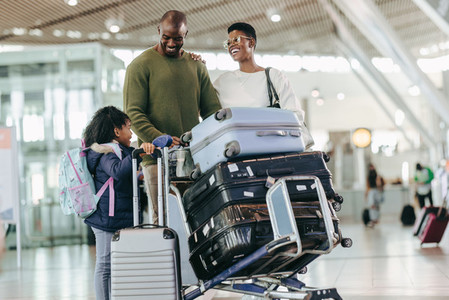
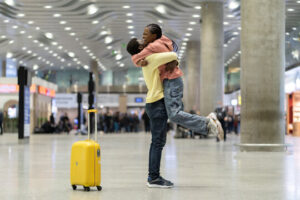
Four years earlier, Chinedu had stood at Toronto Pearson Airport holding a bouquet of white lilies.
Seven years of factory shifts, weekend overtime and lonely winters had led to that afternoon.
Every sacrifice had been made with one hope, that one day his wife and children would join him.
When Amara finally walked through the arrival gate, she laughed before she spoke.
“You actually brought flowers.”
“I couldn’t think of a better way to say welcome.”
She slipped her hand into his.
“You’ve waited a long time.”
“I’d wait longer if it meant we’d never be apart again.”
For a while, life rewarded that faith. Amara found work, enrolled in evening classes and slowly settled into a country that no longer felt strange.
Chinedu celebrated every achievement as though it were his own. Whenever relatives called from Nigeria, he spoke with quiet pride.
“My wife is doing well.”
He never imagined that success could change two people in different ways.
The mortgage demanded longer hours. The children became busier.
The conversations that once stretched late into the night slowly gave way to calendars, bills and exhausted silence.
One evening, Amara placed two cups of tea on the dining table.
“I miss you,” she said.
Chinedu smiled.
“I’m sitting right here.”
She shook her head.
“No. You’re providing for us, and I’m grateful. But I miss the man who used to tell me about his day before he told me about the bills.”
He closed his laptop.
“I’m doing this because I love you.”
“I know.”
Her voice remained gentle.
“I just don’t want your sacrifices to become the only language our marriage speaks.”
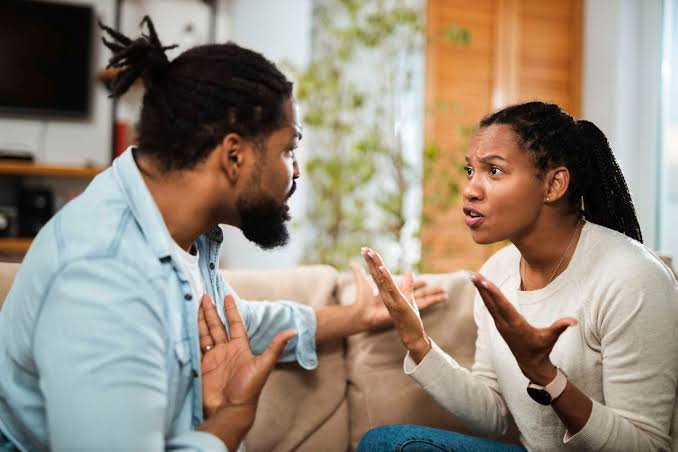
The words lingered between them long after the tea had gone cold. Months passed, and misunderstandings arrived more easily than laughter.
The children noticed their parents had stopped finishing each other’s sentences. Friends noticed they had stopped arriving together.

The marriage reached a place where conversations no longer solved what silence had created, and before long, lawyers, the police and the courts became part of a life neither of them had imagined when they first embraced at the airport.
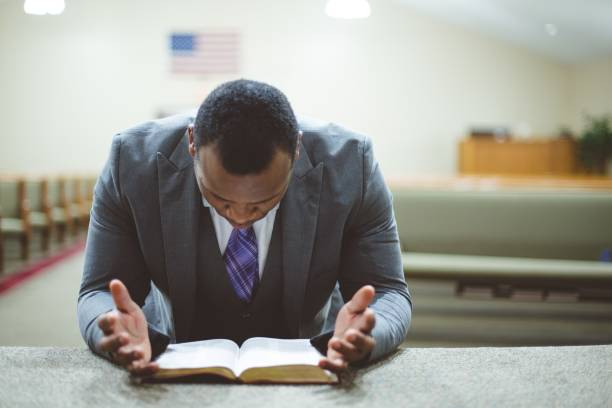
The African community where they worshipped divided quietly into opinions.
Some believed Chinedu had given everything a husband could possibly give.
Others believed Amara had carried burdens nobody else had seen.
An elderly marriage counsellor listened without interrupting.
When everyone had finished speaking, he adjusted his glasses and opened a weathered notebook.
“I’ve carried this sentence with me for many years,” he said. “Alexandra Penney wrote, ‘The ultimate test of a relationship is to disagree but still hold hands.’”
He looked around the room before continuing.
“Most couples prepare for immigration interviews, employment, schools and mortgages. Very few prepare for what change itself can do to a marriage. A new country cannot love your spouse for you. It cannot listen for you. It cannot forgive for you.”
Nobody argued. The room had become too honest for argument.
Several years later, Chinedu returned to his village during the New Yam Festival.

The old mango tree beside the primary school still stretched across the square exactly as he remembered it.
Children chased a football made from tied plastic bags, laughing until one little boy stumbled and scraped his knee.
Before he could cry, both parents reached him together. His mother brushed the dust from his shorts.
His father steadied him until he found his balance again. The boy smiled and ran back into the game as though nothing had happened.
Chinedu watched them disappear into the evening crowd.
An elderly woman selling roasted corn noticed him standing there.
“You’ve been watching that family for a long time.”
“They reminded me of something.”
She nodded.
“My husband used to say that people spend too much time counting who is right and too little time protecting what is right.”
She handed him an ear of roasted corn and smiled.
“I also remember something Pope Francis once said: ‘Love is shown more by deeds than by words.’ Marriage has a way of proving whether we believe that.”
Chinedu thanked her.
As the sun settled behind the hills, he realised the greatest distance in his life had never been the flight from Enugu to Canada.
The harder journey had always been learning that two people can share the same address and still slowly lose sight of each other if they stop protecting the small acts of kindness that first brought them together.
He stood beneath the old mango tree until the voices in the square faded into the evening.
Some journeys end at an airport. The ones that matter most continue quietly around the dinner table.

Personal Thoughts
A new country may change where a family lives, but the habits that strengthen or weaken a marriage still grow in the ordinary moments when nobody else is watching.
One Thing Worth Remembering
Love is rarely undone by one dramatic moment. More often, it is strengthened, or weakened, by the small choices two people repeat every day.
Let’s Talk
Migration has given many families new opportunities, but it has also tested relationships in unexpected ways. In your experience, what helps a marriage remain strong when everything else around it is changing?
Editor’s Note
This episode is a work of fiction inspired by conversations, lived experiences and recurring social issues affecting families across different communities. The characters, names and events are entirely fictional and are not intended to portray, represent or identify any real person, family or specific event.