

Fragile Ceasefire Faces New Test as US, Iran Converge on Doha
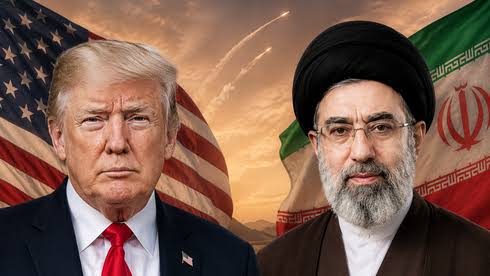
The United States and Iran have dispatched negotiating teams to Doha, Qatar, as efforts to preserve a fragile ceasefire enter a critical phase, although uncertainty remains over whether the two sides will hold direct talks.
Iran’s Foreign Ministry said its technical delegation would be in Qatar this week but insisted no meeting had been scheduled with American officials, contradicting expectations from Washington that fresh diplomatic engagement could take place.
The latest uncertainty follows renewed missile exchanges over the weekend, highlighting the delicate nature of the ceasefire reached earlier this month after four months of conflict between the two countries.
The White House announced that President Donald Trump had appointed senior envoy Steve Witkoff and his son-in-law, Jared Kushner, to lead the U.S. delegation to Qatar.
Under the June 17 agreement, both countries were expected to spend at least 60 days implementing a 14-point memorandum covering the ceasefire, negotiations over Iran’s nuclear programme and discussions aimed at reaching a permanent peace accord.
However, both governments have since accused each other of failing to honour parts of the deal.
The conflict has disrupted shipping through the Strait of Hormuz, a strategic waterway that carries a significant share of the world’s oil exports, sending crude prices sharply higher and fuelling concerns over global energy supplies.
Iranian officials said discussions in Doha would focus on reducing tensions in the Strait of Hormuz and ensuring maritime security, while separate technical meetings involving Qatari and Pakistani mediators are also expected.
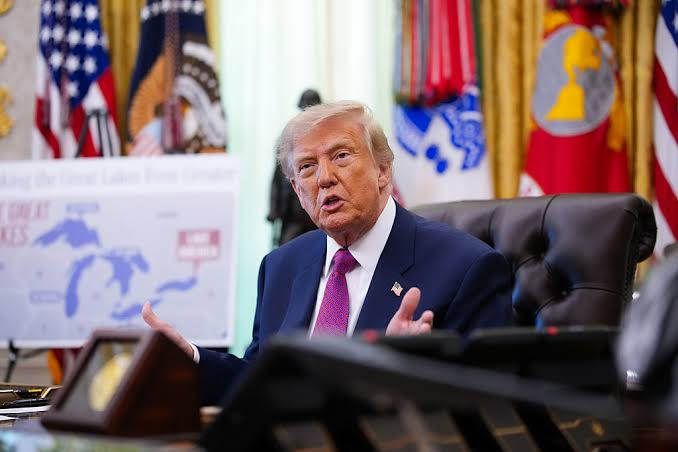
Speaking at the White House, Trump said the Doha engagement “could be important, or it may not,” while maintaining that Iran must never be allowed to acquire a nuclear weapon.
The latest diplomatic push comes amid fresh military accusations. Washington has blamed Iran for recent attacks on commercial vessels in the Gulf and responded with strikes on Iranian military targets, while Tehran says it retaliated by launching missiles and drones at U.S. military facilities in Kuwait and Bahrain.
The developments have also intensified political debate in Washington, with some lawmakers questioning the administration’s handling of the conflict and the concessions reportedly being considered under the emerging agreement.
Meanwhile, Iranian President Masoud Pezeshkian said $6 billion of Iranian assets frozen in Qatar would be released as part of the agreement, describing the move as a major victory for the Iranian people.
Iran has also rejected suggestions that foreign countries should participate in demining operations in the Strait of Hormuz, insisting that responsibility for securing the strategic waterway rests solely with Tehran.