


Fall Nor’easter Threatens New York With Heavy Rain, Strong Winds
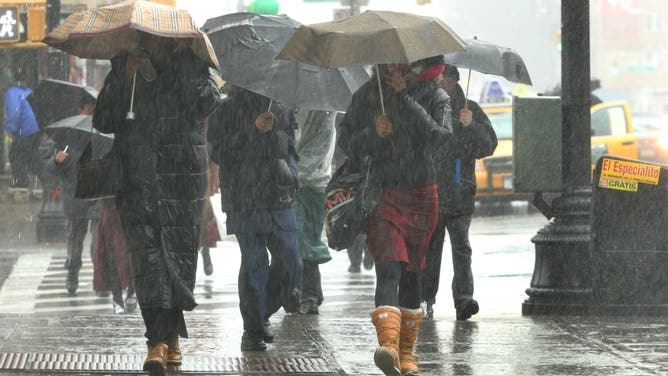
New York City and surrounding coastal communities are preparing for several days of unsettled weather as the first major nor’easter of the fall develops along the East Coast.

The system is expected to bring periods of heavy rain, strong winds and rough seas, with the most significant impacts possible later in the week and into the weekend.
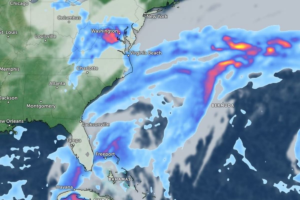
The storm is forming as a sharp cold front moves offshore and interacts with high pressure to the north, creating conditions favourable for the system to strengthen.
Forecasters say the storm’s eventual track will determine how severely New York City and Long Island are affected.
A path closer to New Jersey or Long Island could bring heavier rainfall and stronger winds directly into the New York area.
However, if the system tracks farther north towards Boston, New York City could remain on the edge of the storm, although gusty winds and dangerous surf would still be possible.
Coastal communities are expected to face the greatest risks as the system develops.
Offshore waves could reach between 15 and 18 feet, while wind gusts in exposed coastal areas could rise to between 40 and 50 mph.
The combination of powerful waves and persistent coastal winds could cause serious beach erosion and damage to dunes along parts of Long Island and Queens.
The prolonged pounding of waves could also lead to significant dune scarping, leaving beaches and coastal properties more exposed to subsequent storms.
Strong winds pushing seawater towards the coast could further raise the risk of coastal flooding, particularly around high tide.
Low-lying areas and back bays are expected to be especially vulnerable if the storm moves close enough to the coastline.
For New York residents, the workweek is expected to remain wet and windy as forecasters continue monitoring the developing system.
The exact timing and severity of the weekend conditions will depend largely on the storm’s eventual path.
Forecasters are expected to refine the projected track as the system develops, providing a clearer picture of the areas most likely to experience heavy rain, strong winds, coastal flooding and beach erosion.
For now, coastal residents remain the most exposed as the first major fall nor’easter threatens to bring a turbulent start to autumn across the New York region.























Leave a comment