


Bee Swarms Take Over New Zealand City After Mild Winter
Residents of Auckland, New Zealand’s largest city, are facing an unusual surge in bee swarms, with experts linking the growing activity to unusually mild winter temperatures.
The Auckland Beekeepers Association says it receives between five and 10 daily requests from residents seeking help to remove bees from streets, buildings and private properties.
Its swarm control coordinator, Bryan Lang, said the association had handled at least 100 call-outs, compared with fewer than five requests daily during previous years.
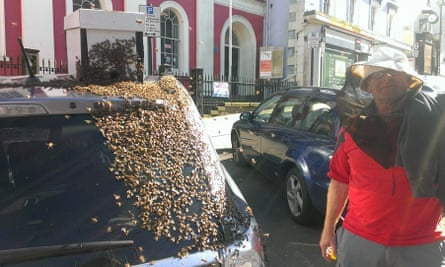
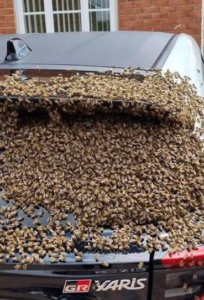
Some incidents have disrupted everyday activities. In October, a swarm covered the rear of a parked car in Birkenhead for about two hours, while a woman slept inside.
Another colony gathered around a road sign at a busy Queen Street intersection, forcing pedestrians to change their routes to avoid the insects.
Bee swarming is a natural process that usually occurs during spring and early summer when a colony becomes too large for its existing hive.
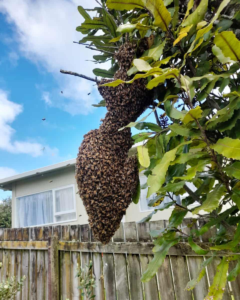
Part of the colony leaves with a queen to establish another home, while scout bees search for a suitable location. The swarm temporarily settles elsewhere during this search.
Auckland Beekeepers Association president, Ken Brown, explained that swarming colonies are generally less aggressive because their immediate priority is finding a new home.
However, he acknowledged that large numbers of unfamiliar flying insects can frighten residents who do not understand the behaviour.
Brown attributed the unusual activity partly to warmer winter and early spring conditions, which may have encouraged colonies to develop faster and swarm earlier than normal.
New Zealand recorded its third-warmest winter on record in 2026, according to Earth Sciences New Zealand, while similar changes in bee behaviour have been observed elsewhere.
Brown explained that higher winter temperatures can encourage colonies to produce more eggs and larvae, potentially creating stronger populations ready to swarm earlier.
However, the survival of these colonies also depends on their exposure to varroa mites, parasites that attack honeybees and their developing young.
Entomologist and ecologist Professor Phil Lester of Victoria University said beekeepers in other parts of New Zealand, including Wellington, were also actively capturing swarms.
He warned that unmanaged swarms carrying varroa mites could threaten other honeybee colonies and native bee populations if they spread the parasite.

Despite the challenges for beekeepers and residents, Lester said the increased swarming could indicate a strong bee population this year, suggesting favourable conditions for colony growth.
























Leave a comment