


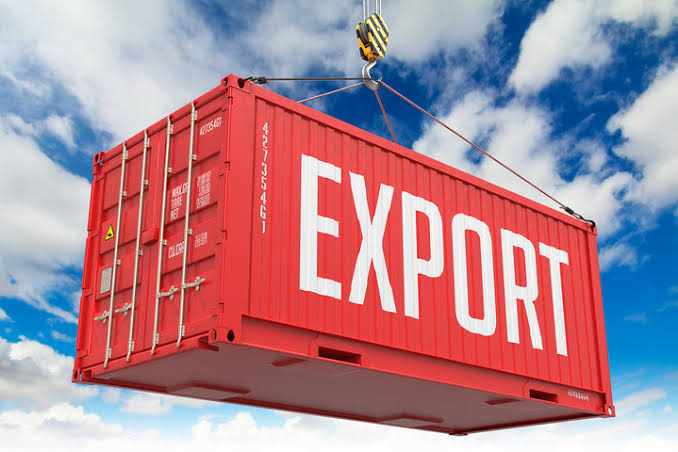
Africa Loses Billions As Raw Produce Leaves The Continent
Africa is losing billions of dollars by exporting agricultural commodities in their raw form and importing finished food products at much higher prices, stakeholders at a major agriculture summit have warned.
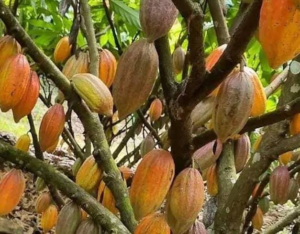
Ministers, investors and industry leaders raised the concern at the ninth Agriculture Summit Africa (ASA), held over the weekend in Abuja, while calling for stronger investment in processing, storage, transportation and agricultural finance.
The Minister of Agriculture and Food Security, Senator Abubakar Kyari, said Africa spends more than $100 billion annually on food imports that the continent has the capacity to produce.
He said the figure reflected the economic value Africa was losing by sending out raw commodities and buying back finished products at higher prices.
The summit, held under the theme, “Building the Next Superpower: Africa’s Food Power Play,” focused on turning Africa’s agricultural resources into profitable investment opportunities.
Co-convened by Sunbeth Global Concepts, the two-day gathering attracted more than 12,000 physical and virtual participants from development finance, agribusiness, research and technology.
The 2026 edition also targeted a $300 million investment pipeline and featured nearly 100 business matchmaking sessions through its Deal Room.
Dele Faseemo, Group Executive, Corporate and Investment Banking at Sterling Bank, said food had become a major security concern across the continent.
He called for a shift from “potential to execution,” urging stakeholders to focus on agricultural solutions that can expand and deliver measurable results.
Discussions at the summit covered food sovereignty, intra-African trade under the African Continental Free Trade Area, climate risks, cold-chain infrastructure, technology, data and financing for smallholder farmers, women and young people.
Participants also highlighted the large amount of agricultural value lost after harvest because many farmers lack adequate storage, transportation, processing facilities and reliable access to markets.
The Minister of Livestock Development, Idi Mukhtar Maiha, called for financing models that take the long production cycle of livestock farming into account.
“We cannot finance biological assets as though they are fast-moving consumer goods,” Maiha said.
He said livestock contributes about $32 billion to Nigeria’s economy and could rise to $74 billion by 2035 under the country’s 10-year livestock strategy.
Maiha said reaching that target would require investment in feedlots, modern abattoirs, cold-chain facilities and leather manufacturing.
He also called for a reduction in the long-distance transportation of live animals, a practice he said dates back to 1912.
According to him, Nigeria needs systems that allow more livestock to be processed closer to production areas so that greater economic value can remain within the country.
Sterling Bank’s Group Head of Agric Finance and Solid Minerals, Dr Olushola Obikanye, said Africa’s problem was not a shortage of land or agricultural potential.
He said the challenge was turning that potential into higher productivity, stronger industries and greater economic value.
Obikanye said agriculture should be connected to finance, technology, infrastructure, processing, logistics and markets rather than being viewed only as a means of producing food.
“The opportunity is not simply to produce more food; it is to create and capture more value,” he said.
He urged African countries to move from exporting commodities to developing competitive industries around them, while replacing fragmented agricultural interventions with integrated systems that connect farmers to the wider value chain.
























Leave a comment