


Dark Skin Is Not Sunproof: Why Your Skin Needs Sunscreen Every Day
The Nigerian sun can be intense, yet sunscreen remains absent from many daily routines. A darker complexion does not make anyone immune to ultraviolet damage.
Melanin offers some natural protection, but it cannot block every harmful ray. Sun exposure can still cause pigmentation, premature ageing, sunburn and lasting cellular damage.
The World Health Organization (WHO) warns that excessive ultraviolet exposure can damage different skin types, although darker-skinned people generally have lower skin cancer risks. (World Health Organization)
That makes sunscreen an important part of everyday skincare, whether you work outdoors, commute through traffic, shop in open markets or spend time near windows.
One reason to use sunscreen is to prevent existing dark spots from becoming more noticeable. Ultraviolet and visible light can worsen pigmentation, especially common melasma.
Research highlighted by the American Academy of Dermatology (AAD) shows that visible sunlight can increase hyperpigmentation, particularly among people with darker complexions. (American Academy of Dermatology)
For people managing acne marks or uneven skin tone, daily protection helps prevent further darkening while other treatments gradually improve the affected areas over time.
A tinted sunscreen containing iron oxides may offer extra protection against visible light, which can trigger or worsen hyperpigmentation, particularly among people with darker skin.
Sun exposure also contributes to premature skin ageing. UVA radiation reaches deeper skin layers and damages collagen and elastin, proteins that naturally keep skin firm.
The American Academy of Dermatology identifies unprotected ultraviolet exposure as a major contributor to premature wrinkles and age spots, making consistent sunscreen use important.
Over time, repeated exposure can contribute to wrinkles, fine lines, uneven texture and age spots. Sunscreen helps reduce this damage when used consistently over time.
Dark skin can also suffer sunburn, although the signs may be less obvious than they appear on lighter complexions. Pain, peeling and inflammation can follow.
People who spend long hours outdoors face repeated exposure, particularly during activities without shade. Sunscreen helps protect exposed skin, but clothing and shade matter too.
Skin cancer is less common in darker-skinned populations worldwide, but it can still develop. Melanin lowers some risks; it does not provide complete protection either.
The National Cancer Institute (NCI) confirms that ultraviolet radiation damages skin cells and increases cancer risk, adding that people of every skin tone remain vulnerable. (National Cancer Institute – Sunlight and Cancer Risk)
The WHO confirms that darker-skinned people can develop skin cancer, while the American Academy of Dermatology recommends sun protection across all skin tones. (World Health Organization)
Because diagnosis may be delayed, unusual changing spots, sores that do not heal, or dark lines beneath nails should be assessed by a healthcare professional.
Sunscreen also supports other skincare treatments. Ingredients such as retinoids and exfoliating acids may irritate skin, while sunlight can worsen pigmentation those treatments target directly.
Using sunscreen helps protect the progress made with these products. It does not lock in moisture or replace moisturiser; each product has a different purpose.
Choose a broad-spectrum sunscreen with SPF 30 or higher. Broad-spectrum means it protects against UVA and UVB rays; water resistance is useful outdoors.
The American Academy of Dermatology recommends SPF 30 or higher, broad-spectrum protection and water resistance as essential qualities when choosing everyday sunscreen. (American Academy of Dermatology)
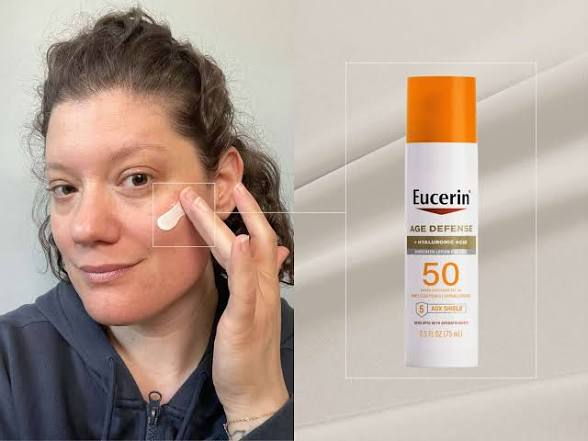
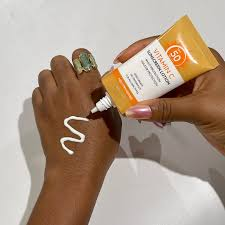
Apply enough product to cover every exposed area, including the face, ears, neck, hands and tops of feet. Do not forget the hairline or lips.
For the face, the American Academy of Dermatology advises at least one teaspoon. Apply about 15 minutes before going outside, generally following the product directions.
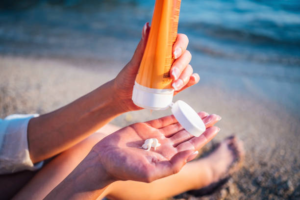
Reapply every two hours while outdoors, and sooner after swimming, sweating heavily or towel-drying. No sunscreen is waterproof, and one morning application remains insufficient protection. (U.S. Food and Drug Administration)
Sun protection should not depend on sunscreen alone. Seek shade, wear clothing and a wide-brimmed hat, and protect your eyes with UV-blocking sunglasses whenever possible.
The WHO recommends combining sunscreen with shade and protective clothing, stressing that sunscreen should never encourage people to spend longer periods under intense sunlight.
Healthy skin is not defined by complexion or the number of products on a bathroom shelf. Daily sun protection is a practical habit worth keeping.


























Leave a comment