



21 Ejaculations a Month? What Men Should Eat to Protect Their Prostate From Cancer
For years, prostate health has been discussed through medical examinations, age and family history. Then came the intriguing claim that ejaculating 21 times monthly could reduce cancer risk.

The claim was not pulled from thin air. A large study involving 31,925 men found that higher ejaculation frequency was associated with a lower incidence of prostate cancer.
However, the researchers did not establish 21 ejaculations as a medical prescription for men. The findings showed an association, and the strongest relationship involved lower-risk prostate cancer.
That distinction matters because health advice can quickly become distorted once scientific findings leave research papers and enter social media. A statistical association is not the same as a guaranteed shield.
So, while men may continue debating the bedroom figure, another question deserves attention: what should actually be sitting on the dinner plate?
Start With the Bigger Picture
There is no single food that can guarantee protection against prostate cancer. The National Cancer Institute says diet and individual nutrients remain difficult to link conclusively with prevention.
The American Cancer Society recommends a healthier overall pattern, including colourful fruits and vegetables, whole grains and regular physical activity, while limiting red meat and highly processed foods.
Dr. Marc B. Garnick, a clinical professor of medicine at Harvard Medical School and an expert in urologic cancer, offers a useful perspective: “There is no one thing or one prescribed diet.”
That may sound less exciting than a miracle ingredient, but it reflects the complicated nature of cancer. The prostate responds to a combination of biological, genetic and lifestyle factors.
Tomatoes Still Deserve a Place
Tomatoes remain one of the most discussed foods in prostate-cancer research because they contain lycopene, a carotenoid responsible for their familiar red colour.
Research on lycopene has produced mixed findings. Some studies associate higher tomato consumption with lower prostate-cancer risk, but scientists have not established lycopene as a guaranteed preventive.
Cooked tomatoes may be particularly useful because heating can make lycopene easier for the body to absorb. Tomato sauce prepared with a little healthy fat can therefore make sense.
Bring On the Green Vegetables
Broccoli, cabbage, cauliflower, kale and other cruciferous vegetables provide fibre and plant compounds that researchers continue studying for possible cancer-related benefits.
These vegetables also make healthy eating easier because they can move comfortably between soups, stews, salads and everyday Nigerian meals without demanding an elaborate diet.
Spinach and other leafy greens contribute vitamins, minerals and plant compounds, giving men another reason to make vegetables a regular feature rather than an occasional decoration.
Beans, Grains and Fish Matter Too
Beans, lentils and peas provide plant protein and fibre, making them useful alternatives to meals built heavily around red or processed meat.
Whole grains such as oats and brown rice also provide fibre and nutrients, while healthier eating patterns often combine these foods with vegetables, fruits and other plant foods.
Fish such as sardines, salmon and mackerel provide omega-3 fatty acids and can replace some red or processed meats in a balanced eating pattern.
Dr. Bradley McGregor, an oncologist at Harvard-affiliated Dana-Farber Cancer Institute, puts the evidence into perspective: “There is no miracle prostate cancer diet.”
His point is important because men searching for one powerful ingredient can easily overlook the broader pattern that appears repeatedly in nutrition research.
Nuts, Seeds and Colourful Fruits
Almonds, walnuts, groundnuts and seeds provide healthy fats, fibre and other nutrients that can complement a varied diet.
Berries, watermelon, guava and other colourful fruits also contribute vitamins and plant compounds, although none should be marketed as a guaranteed defence against prostate cancer.
The same caution applies to turmeric and green tea. Their compounds have attracted scientific interest, but promising laboratory findings do not automatically become proven cancer-prevention treatments.
Dr. Brad Gill, a urological surgeon at Cleveland Clinic, has warned that nutritional research can be difficult to interpret because many factors influence the results.
His observation offers an important lesson: eating nutritious foods is sensible, but men should not mistake a healthy ingredient for a medicine that has been proven to prevent cancer.
What Men Should Eat Less Often
Prostate health is not only about what goes onto the plate. It also involves reconsidering foods and habits that may contribute to poorer overall health.
The American Cancer Society advises men to maintain a healthy weight, stay physically active and limit red and processed meats, sugary drinks and highly processed foods.
That approach shifts the conversation away from searching for a single nutritional hero. Instead, it places prostate health within the larger landscape of weight, exercise, diet and individual risk.
Age and family history remain important risk factors, while men with concerns about their individual risk should discuss prostate-cancer screening with a qualified healthcare professional.
The 21-ejaculation finding may remain an interesting piece of medical research, but it should not become a monthly obligation or a substitute for sound health advice.
For men, the better lesson may be simpler: enjoy a healthy sex life if it suits you, but build your everyday health around habits that have benefits far beyond the bedroom.
A plate containing vegetables, fruits, beans, whole grains, nuts and healthy protein may not make as sensational a headline as 21 ejaculations, but it gives the body something much more useful: consistent nourishment.
Good health rarely rests on one dramatic number. It is built through repeated choices, from what a man eats and how often he moves to whether he understands his risks.
The prostate may not announce every problem early, which makes informed choices and appropriate medical conversations more valuable than viral health formulas.
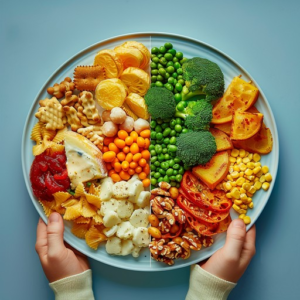
In the end, the bedroom may have its number, but the kitchen has its own responsibility. What reaches the plate every day can become part of the larger story of how a man cares for his body.























Leave a comment