


Trump Turns Down Iran’s Plan to Reopen Hormuz, End War
US President Donald Trump has rejected an Iranian proposal aimed at reopening the Strait of Hormuz and bringing an end to the ongoing conflict in the Middle East.
Iran presented the proposal at the United Nations General Assembly in New York, saying the initiative had been communicated to the United States through Qatari mediators.
Under the proposal, Tehran said the strategic waterway could be reopened and hostilities across the region brought to an end within seven days if Washington agreed to the arrangement.
Trump, however, said on Saturday that he had turned down the offer.
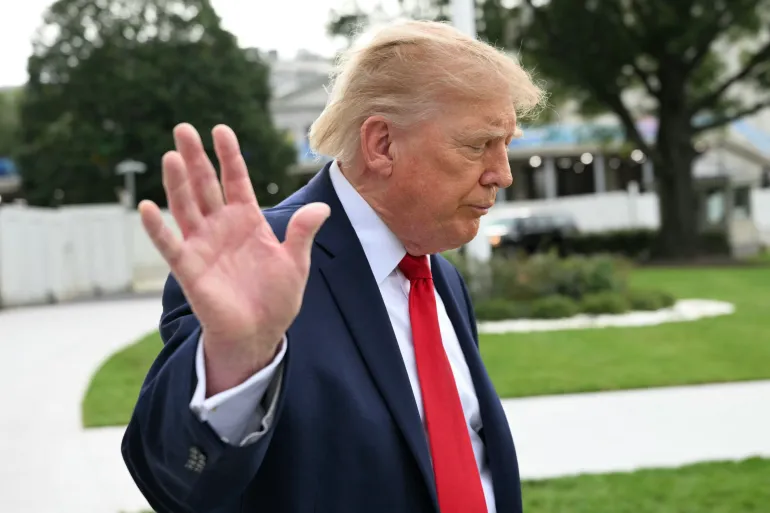
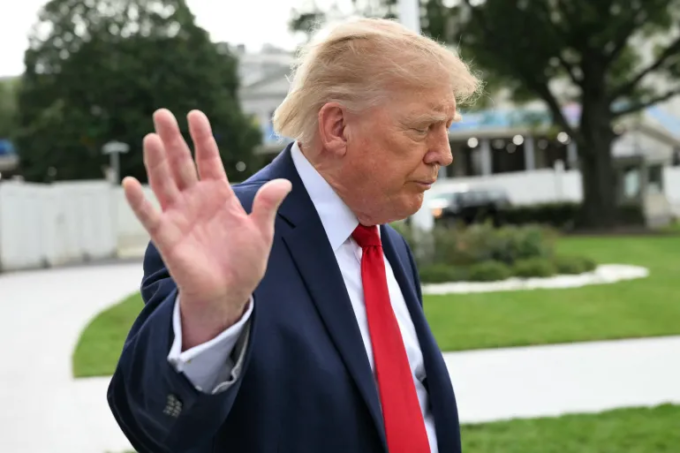
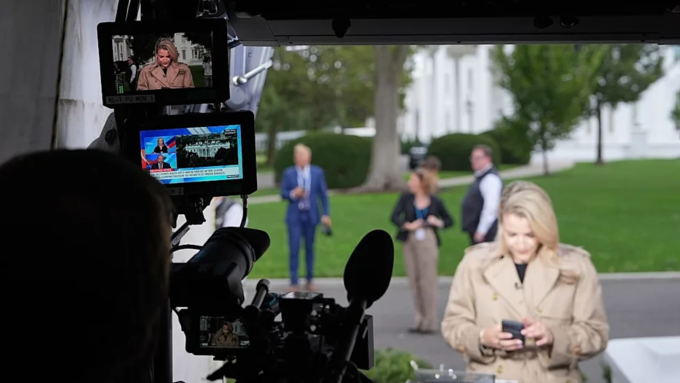
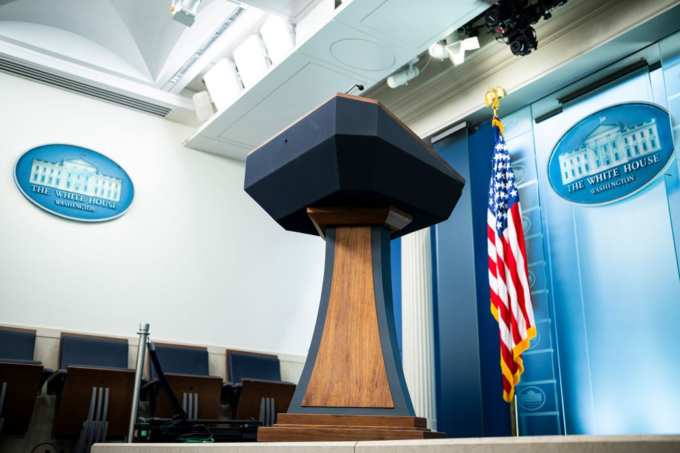
“I reject their proposal. I rejected their deal,” Trump told reporters at the White House before departing for Tennessee.
According to Trump, Iran was seeking an immediate reopening of the Strait of Hormuz because the disruption to shipping had severely affected its economy and revenue.
“They want to make a deal to open the Hormuz Strait immediately because they’re losing so badly,” he said, adding that the United States was “winning tremendously.”
The Strait of Hormuz has become a major flashpoint in the conflict, with restrictions on shipping through the waterway disrupting oil supplies and adding pressure to the global economy.
The United States has imposed an economic blockade on Iran as part of its pressure campaign, while Trump has repeatedly said Washington has control over the strategic waterway.
Iranian Foreign Minister Abbas Araqchi said earlier that Tehran was prepared to move quickly if the United States accepted its proposal.
“If there is seriousness on the US side to come to a deal and reopen the Strait of Hormuz, everything is now prepared,” Araqchi told reporters at the United Nations.
He said the proposed agreement would begin a seven-day period leading to the reopening of the strait and a pause in fighting, after which broader negotiations could begin on issues agreed upon by both sides.
Those discussions could include Iran’s nuclear programme, one of the most contentious issues between Tehran and Washington.
Trump has maintained that Iran must not obtain a nuclear weapon. Tehran, however, has said it will not surrender what it describes as its rights under its nuclear programme, including uranium enrichment.
An Iranian official told Reuters that Tehran would not agree to ship its highly enriched uranium out of the country, even if Washington accepted the wider peace proposal.
Iranian President Masoud Pezeshkian also said his country remained open to negotiations over its nuclear programme and other matters but would not accept what he described as pressure or coercion.
“Iran is not seeking war, but will defend itself against pressure, threats and attacks,” Pezeshkian said.
The conflict, which began on February 28 following US and Israeli attacks, has gone through periods of reduced fighting followed by renewed strikes.
Thousands of people have reportedly been killed since the conflict began, while Iran’s military capabilities and already fragile economy have suffered significant damage.
The confrontation has also spread beyond Iran and Israel, drawing in other countries and armed groups across the region.
Iran has launched drone and missile attacks against US allies in the Gulf, while the Houthis in Yemen have carried out attacks targeting Saudi interests.
The rejection of Tehran’s latest proposal leaves the Strait of Hormuz and the wider regional conflict at the centre of renewed diplomatic and economic pressure.


















Leave a comment