


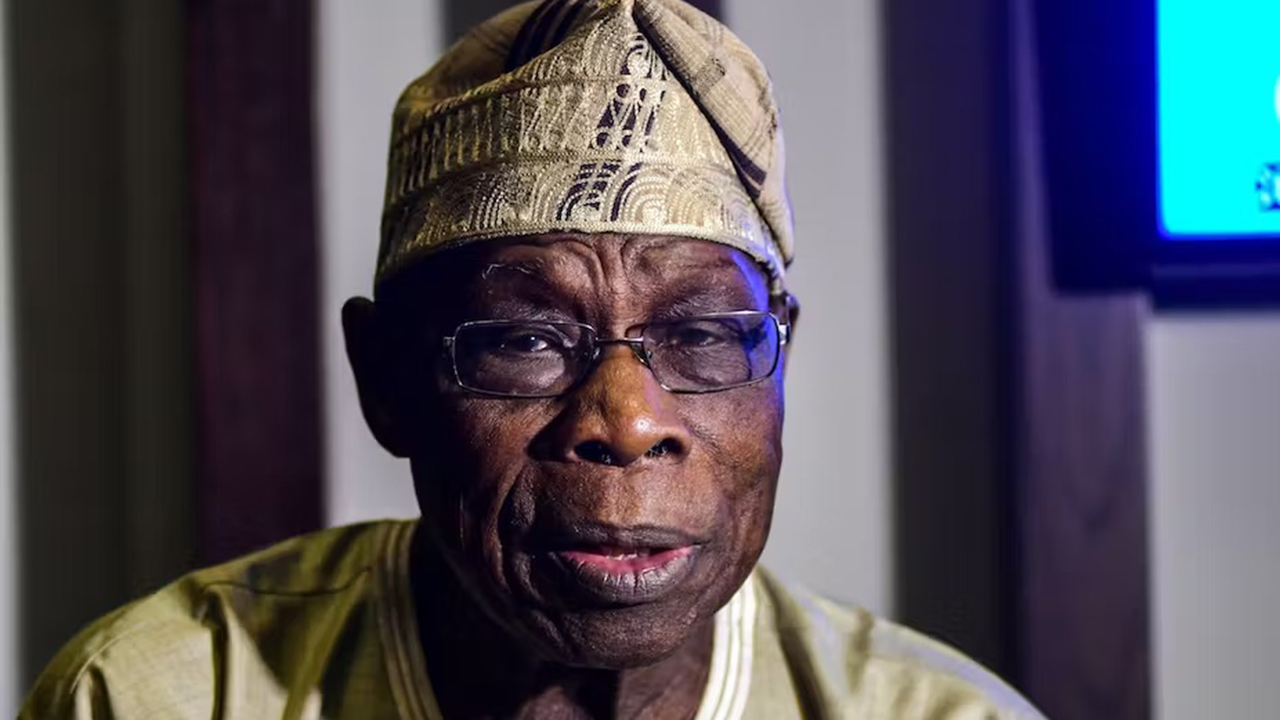
During My Time As President, I Was Worried About A Debt Of $36B; But Today We’ve A Debt Of $147B – Obasanjo
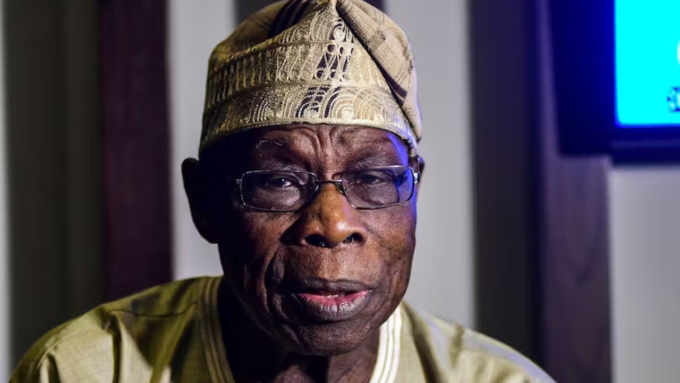
Former President Olusegun Obasanjo has raised concerns over the sharp increase in Nigeria’s debt, recalling how a $36 billion debt burden once troubled him during his presidency, while warning that the country now faces a $147 billion obligation that must eventually be repaid.
Obasanjo recalled that he was worried about Nigeria’s $36 billion debt while serving as president, describing it as a major financial burden that hung over the country and shaped many of the economic decisions his administration had to make.
He noted that the country’s debt had since increased to $147 billion, warning that the money borrowed would eventually have to be repaid, no matter who took the loans or what promises were made when they were taken.
The former president also recalled that Nigeria was spending $3.6 billion on debt servicing during his administration, despite the country’s overall debt not reducing, a situation he described as both frustrating and frightening for a country trying to develop.
According to him, the situation troubled him because the substantial amount spent on servicing the loans was not translating into a reduction in the outstanding debt, leaving Nigeria paying heavily without making real progress.
Obasanjo made the remarks in a video shared by Channels Television, where he discussed Nigeria’s debt burden and reflected on the financial concerns he faced while in office and the lessons he believed Nigeria should have learned.
Obasanjo Contrasts $36B Then With $147B Now
Speaking about the difference between the country’s debt during his presidency and the figure he cited for today, he said, “When I was president, I was worried about a debt of $36 billion hanging over Nigeria. Today, we have a debt of $147 billion, and you will have to pay. What worried me then was that we were spending $3.6 billion to service our debt, yet it wasn’t going down.”
He explained that even when the debt stood at $36 billion, the financial demands of meeting repayment obligations were already troubling his administration and limiting what it could do.
Obasanjo’s recollection also drew attention to the challenge of spending substantial public funds on debt servicing without achieving a reduction in the country’s outstanding obligations, a problem he said had only grown worse as the debt figure rose.
By comparing the figures, the former president warned about the financial responsibility attached to borrowing, stressing that the $147 billion debt he cited would eventually have to be repaid by Nigerians, including generations that did not take part in the decision to borrow.
Why Servicing Without Reduction Worried Obasanjo
The former president’s comparison was based on his experience managing Nigeria’s finances and his concern over the amount spent on servicing the country’s debt during his time in office, when $3.6 billion was already a huge burden.
He suggested that the lesson from his presidency was not only about the size of debt, but about whether servicing was actually reducing what Nigeria owed, or merely keeping the country trapped in a cycle of payments that never brought relief.
For Obasanjo, the jump from $36 billion to $147 billion raises a simple but difficult question for present and future leaders: how will Nigeria pay, and what will be left for development, infrastructure, education and health after debt servicing is done?
Watch The Video From 00:30 to 01:12









Leave a comment