


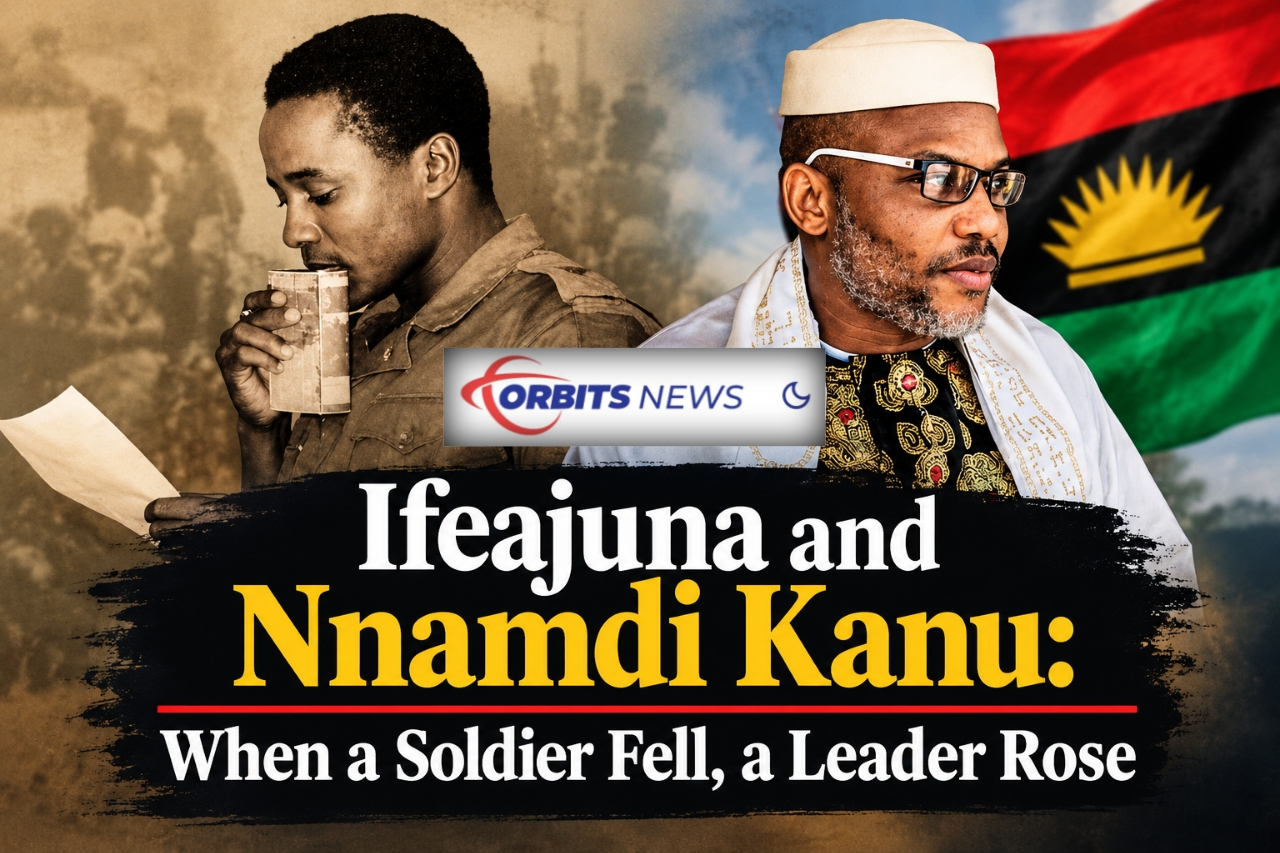
Ifeajuna and Nnamdi Kanu: When a Soldier Fell, a Leader Rose
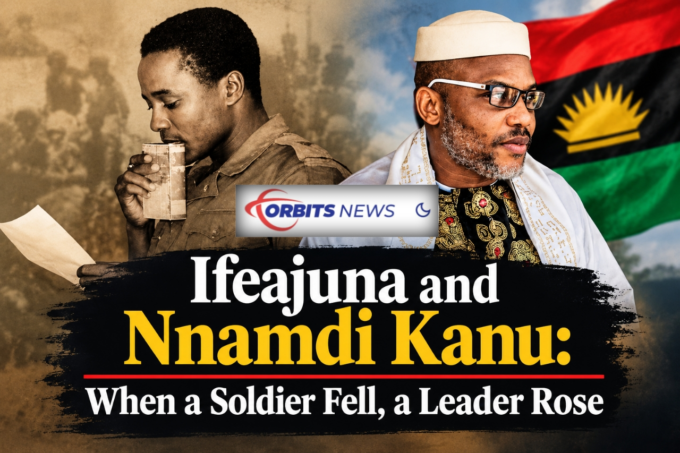
The threads of history often weave unfamiliar patterns, and few are as striking as the cosmic handoff that occurred on September 25, 1967. On that fateful Tuesday afternoon in Enugu, the breakaway Republic of Biafra executed Major Emmanuel Ifeajuna, a man who had once been a celebrated national hero as the first Black African to win a Commonwealth gold medal, but who ultimately found himself on the wrong side of Biafran leader General Chukwuemeka Odumegwu Ojukwu. Yet, as the echoes of the firing squad faded into the midday air, a new cry pierced the silence a few miles away in Umuahia. Nnamdi Okwu Kanu was born that very same day. This striking intersection of death and birth created a symbolic bridge between two entirely different eras of the self-determination struggle, linking the fallen soldier of Biafra’s past to the future catalyst of its modern resurgence.
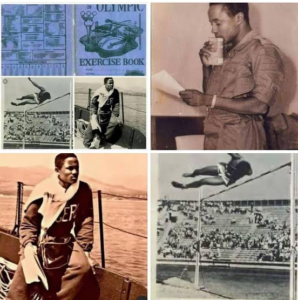
This synchronicity is deeply profound when viewed through the lens of the Biafran struggle, transforming a mere chronological coincidence into a powerful metaphor for an unbroken ideological chain. Major Ifeajuna represented the turbulent, armed genesis of the conflict, the physical war of the 1960s characterized by military coups, battlefield strategies, and the tragic loss of over a million lives. His death marked the fracturing of the early Biafran command, a somber moment of internal strife during a brutal war of survival. The immediate birth of Nnamdi Kanu on that identical day feels like an ancestral relay race, symbolizing that while the physical body of a pioneer could be extinguished, the underlying spirit and grievances fueling the agitation were instantly reborn into the next generation.
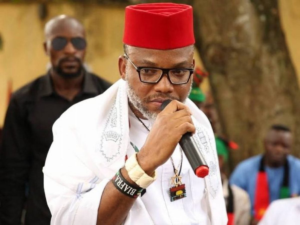
Ultimately, this historical handoff illustrates how the Biafran struggle evolved from a mid-century military conflict into a modern, digitised socio-political movement. While Ifeajuna’s era fought with rifles and radio broadcasts on the ground, Kanu grew up to champion the cause through internet airwaves, global diplomacy, and the mobilization of millions under the Indigenous People of Biafra (IPOB). The transition from Ifeajuna’s demise to Kanu’s arrival underscores a fundamental truth about the region’s history: the dream of Biafra is not merely a political chapter that closed in 1970, but an enduring sentiment that outlives its individual actors. By tracing this lineage from the execution block of 1967 to the contemporary geopolitical stage, the shared date of September 25 stands as a testament to the stubborn, immortal nature of an unresolved historical grievance.






















Leave a comment