

UK families question IVF clinics over alleged use of wrong sperm and egg donors
At least 30 children, many of them born to British parents, may have been conceived using sperm or egg donors different from those selected by their families during IVF treatment in northern Cyprus.
A BBC investigation uncovered the cases after parents began questioning whether fertility clinics had used the donors they had carefully chosen before undergoing treatment.
Some families said their choices were based on medical history, physical features, personality, education and other personal characteristics listed in donor profiles.
The concerns have particularly focused on the Dogus IVF Centre, where at least 15 of the affected children were conceived. Several members of staff connected to the clinic have been linked to cases being investigated.
Northern Cyprus has become a destination for British patients seeking fertility treatment because of comparatively lower costs, advertised success rates and access to a large pool of sperm and egg donors.
However, the territory is internationally recognised only by Turkey and does not fall under the European Union’s fertility regulations.
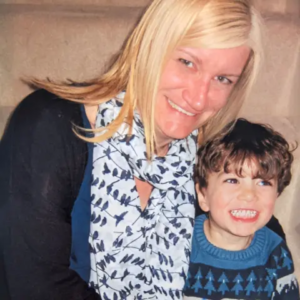
One of the parents, identified as Rachel, said she was shocked after discovering that the Danish sperm donor she had selected for treatment at Dogus in 2012 may never have been used.
Rachel had chosen an anonymous donor through Cryos International, one of the world’s largest sperm banks.
Among the reasons for her choice was information indicating that the donor was willing to be contacted by any biological children when they reached adulthood.
After her son Jonah was born, however, Rachel became concerned because his appearance did not seem consistent with the donor profile.
She said she repeatedly asked the clinic for records confirming that the selected donor’s sperm had been used but was unable to obtain satisfactory documentation.
Years later, Rachel and Jonah took a DNA test. The results showed that Jonah was biologically related to his mother but did not have the genetic ancestry expected from the Danish donor she had selected.
When contacted by the BBC, Cryos said it had no record of supplying sperm to Dogus for Rachel’s treatment.
The discovery has raised concerns about Jonah’s ability to identify his biological father in the future and whether he could unknowingly have genetic siblings elsewhere.
Rachel said the possibility that other children could have been conceived using the same unidentified donor was particularly troubling.
So far, at least 11 of the 30 children identified by the BBC have undergone commercial DNA testing.
Their results showed genetic ancestry linked to Turkey or nearby regions, prompting further questions about the identities of the donors used.
Most of those tested were conceived through treatment at Dogus between 2012 and 2024.
Fertility specialists who reviewed the cases described the apparent pattern as unusual.
The British Fertility Society said the repeated use of incorrect donors could point to negligence or deliberate deception and raised the possibility that the problem was wider than the actions of one individual.
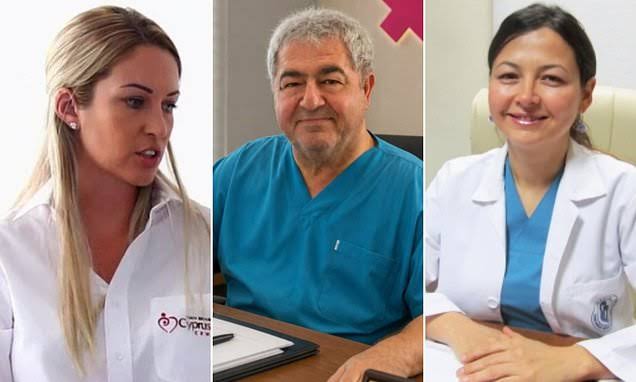
Dogus owner and responsible manager Dr Sevket Alpturk treated the parents of six children whose families have raised concerns. The BBC contacted him with the allegations, but he did not respond.
Dr Firdevs Uguz Tip, who treated nine other children linked to Dogus, denied misleading patients. She said Alpturk was responsible for approving procedures at the clinic.
After leaving Dogus in 2015, Firdevs worked at other fertility centres and eventually became the owner of Miracle IVF.
Nine more cases identified by the BBC involved patients treated by her after her departure from Dogus.
Firdevs said her clinic operates within the law and that patients sign consent documents explaining donor arrangements.
Some parents, however, told the BBC they were not given adequate information about how their donor selections were handled.
Patient coordinator Julie Hodson, who was an important contact for several British patients at Dogus, has also been linked to a number of the cases.
Emails reviewed by the BBC showed Hodson informing patients that Firdevs would arrange sperm orders from Cryos.
Firdevs rejected that account, saying ordering sperm was not part of her responsibilities and that she was unaware patients had been given that information.
Hodson did not respond to the BBC’s questions about the allegations, including claims that donor requests were not properly placed or passed on.
Cryos said it was deeply concerned by the number of families potentially affected. The sperm bank said it stopped supplying Dogus in 2016 after discovering that the clinic had failed to order its sperm for a patient despite telling the patient that it had done so.
Cryos has also suspended its relationship with Firdevs and Miracle IVF while authorities in northern Cyprus investigate the allegations.
The territory’s Ministry of Health announced earlier this year that it had opened an investigation but has not provided the BBC with an update despite repeated requests.
Firdevs has maintained that she was cleared of any legal wrongdoing, although the BBC said it could not independently confirm the claim with the Ministry of Health.
The UK’s Foreign Office has since warned people considering fertility treatment in northern Cyprus about the risks associated with the territory’s limited regulatory oversight and advised prospective patients to research clinics thoroughly before proceeding.
For the families involved, the controversy is not simply about the circumstances surrounding their children’s conception.
It also raises questions about their children’s medical histories, genetic identities and ability to trace their biological origins.
Laura Bridgens, founder of Donor Conceived UK, described the allegations as extremely concerning and said donor-conceived people should have access to accurate information about their biological origins.
Rachel said the discovery had not changed the love she has for her son, but she remains deeply troubled by what he may have lost.
She believes Jonah could have been denied the opportunity to know his biological donor and possibly connect with genetic relatives.
The investigation has now raised a broader question: how many other families may have been affected, and can the authorities determine how the alleged donor mix-ups happened?