


Gaza’s Environmental Crisis Deepens as Toxic Contamination Threatens Generations
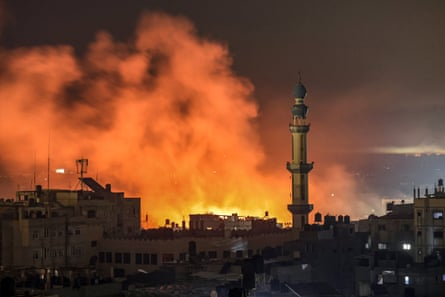
Israel’s military operations in Gaza have left widespread environmental contamination, with polluted water, damaged soil and toxic debris threatening Palestinians’ health and survival for generations.
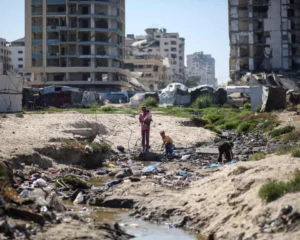
A report by Oxfam and the Conflict and Environment Observatory (Ceobs) warns that destroyed homes, sanitation facilities and infrastructure have transformed large areas into hazardous environments.
The findings indicate that heavy metals, explosive residues, asbestos, sewage and other harmful substances have contaminated air, water and soil, exposing residents to dangerous environmental conditions.
Oxfam International Executive Director, Amitabh Behar, described the environmental destruction as a serious threat to human life, warning that its consequences could extend across generations.
He said contamination had significantly damaged environmental conditions necessary for safety and survival, leaving Palestinians exposed to dangerous substances through food, water, air and polluted land.
Behar warned that the environmental damage also raises concerns about international humanitarian and human rights laws, particularly as civilians remain unable to escape dangerous conditions.
The report, drawing on satellite imagery, scientific assessments, remote sensing and publicly available information, describes Gaza’s contamination as extensive, severe and consequential for public health.
It highlights destroyed sanitation systems, which have allowed untreated sewage to flow into the sea and seep underground, increasing disease risks and further environmental degradation.
Behar said Gaza’s densely populated communities face continuous exposure to waste, sewage, pests and toxic substances, with children and pregnant women particularly vulnerable to associated health complications.
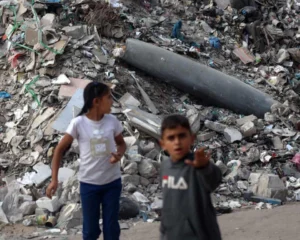
The United Nations Environment Programme estimates military operations have generated more than 61 million tonnes of debris across Gaza, leaving destroyed buildings filled with potentially hazardous materials.
Lama Abdul Samad, Oxfam’s global water and sanitation specialist and report author, said addressing contamination would prove difficult because hazardous materials remain scattered across residential areas, farmland and water systems.
She added that unexploded ordnance continues restricting access to numerous locations, complicating environmental assessments and efforts to implement immediate protective measures against contamination.
The report calls for Israel to permit comprehensive environmental assessments to establish contamination levels, determine public health risks and identify urgent interventions capable of reducing residents’ exposure.
It recommends extensive debris clearance, environmental monitoring and specialised remediation to remove explosive residues, heavy metals and other dangerous pollutants affecting Gaza’s land and water.
Behar stressed environmental recovery must accompany Gaza’s reconstruction, warning that rebuilding homes and infrastructure without addressing contamination could expose future generations to serious health consequences.
The Israeli government was contacted for comment regarding the report’s findings and allegations of widespread environmental contamination across Gaza.





















Leave a comment