


By: Chioma Madonna Ndukwu
The Way We LIve: Before Amara Called Him “My Boyfriend,” Someone at Home Should Have Known His Name

“Who is he?”
Amara looked up from her phone and smiled.
“Just a friend.”
“A friend with a name?”
She laughed, shook her head and slipped the phone into her pocket.
“Mum, you’re asking too many questions.”
Her mother smiled and let the conversation end.
Perhaps she thought there would always be another day to ask again.
Many homes have had conversations like that. They end with a laugh, a change of subject or the familiar belief that young people will eventually talk when they are ready. Sometimes they do. Sometimes they do not.
Her mother smiled and let the conversation end. It did not seem like an important moment. It was only a daughter protecting a little privacy and a mother deciding not to press further.
Families make choices like that every day. Yet there are times when the conversations we postpone quietly return as the questions we wish we had asked sooner.
A family left asking questions they never imagined they would have to ask.
Recent reports of teenagers and young adults harmed in relationships have reminded many families of an uncomfortable truth.
Love can begin quietly, but when a relationship becomes unhealthy or dangerous, parents often discover they know very little about the person their child trusted with so much of their life.
In some cases, families do not even know the person’s full name until investigators become involved.
No parent should first learn the full story of the person their child loved from people investigating a tragedy.
This is not about turning parents into detectives or children into suspects. It is about making sure that a relationship is never forced into secrecy because home has become a place where difficult conversations cannot happen.
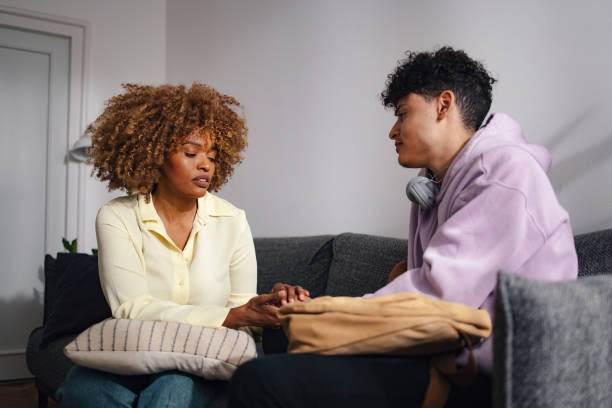
“I’ve met someone.”
Those four words should not cause panic.
They should begin a conversation.
“Tell me about him.”
“What does he do?”
“Who are his friends?”
“Have we met him before?”
Questions like these are not signs of control when they are asked with love and respect. They tell a young person something important: your life matters to us, and so do the people who become part of it.

Parents often know the names of their children’s classmates, colleagues and neighbours, yet know almost nothing about the person who occupies their child’s heart. Sometimes the silence comes from fear.
A daughter worries she will be shouted at. A son worries every conversation about relationships will become an argument.
Little by little, two people who love each other begin living separate emotional lives under the same roof. That distance can become dangerous.
Knowing who your child is dating will not prevent every tragedy. Violence can happen even in families that communicate well. Good people can be deceived.
Warning signs are not always obvious. But conversation creates something precious: the possibility of guidance before a crisis, the chance to notice controlling behaviour, isolation, threats or fear before they become unbearable.
The American author and family therapist Virginia Satir once wrote, “Communication is to relationships what breath is to life.”

Families do not become stronger because they never face difficult subjects. They become stronger because they keep talking even when the subjects are uncomfortable.
The writer Alexandra Penney observed, “The ultimate test of a relationship is to disagree but still hold hands.”
Healthy relationships are not built on fear, secrecy or control. They leave room for honesty, accountability and respect, not only between two people in love but also between those people and the families who care about them.
Across Nigeria, South Africa, Canada, Brazil, the United Kingdom and countless other places, parents are asking the same question after stories of relationship violence make the news:
Could we have seen something earlier? There is no answer that fits every family, but there is one lesson that travels across cultures.
Young people need homes where they can speak freely about the people they love without believing that every conversation will end in anger or condemnation.
When Amara finally says, “This is my boyfriend,” the most important part of the sentence should not be the word boyfriend.
It should be the confidence that she can say it without fear and introduce the person standing beside her to the people who have loved her from the beginning.

Families cannot protect their children from every heartbreak. But they should never have to meet the person their child loved for the first time through a police report.
Personal Thoughts:
A relationship becomes safer when love is surrounded by conversation, not secrecy.
One Thing Worth Remembering:
If your child trusts someone with their heart, make sure they know they can trust you with the truth.
Let’s Talk:
How comfortable is your home when conversations about relationships begin?
Editor’s Note:
Amara and the other names used in this feature are fictional. The story is a literary reconstruction inspired by recurring family experiences and publicly reported incidents involving relationship violence. It is intended to encourage conversation, not to suggest that knowing a child’s partner can prevent every tragedy or that warning signs are always visible.