

US Pauses Iran Strikes as Trump Weighs Military Action, Diplomacy
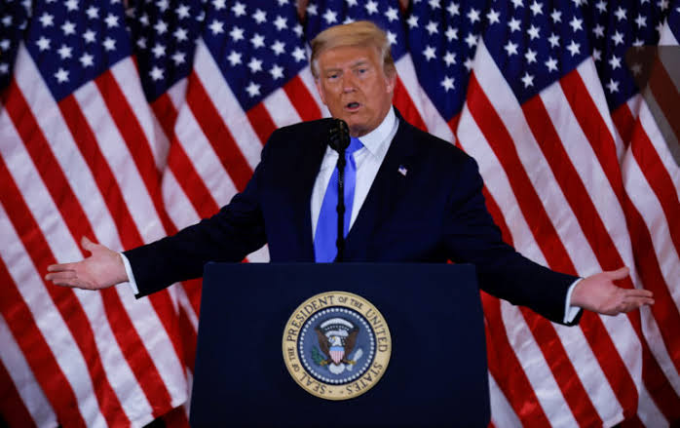
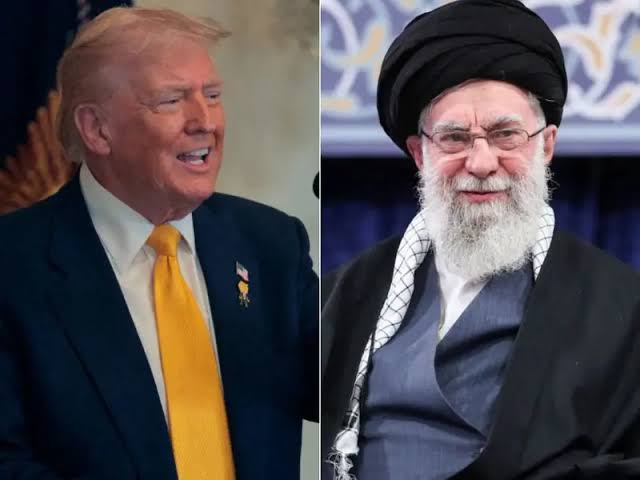
The United States has paused its strikes against Iran for a third consecutive night as President Donald Trump weighs whether to resume military action or pursue diplomatic efforts to prevent the conflict from escalating further.
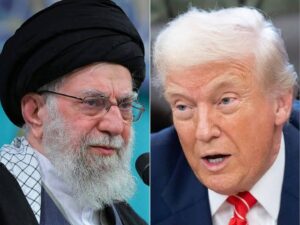
The pause in attacks has coincided with renewed diplomatic contacts aimed at easing tensions and reopening the Strait of Hormuz, a crucial global energy route.
Oil prices fell on Monday as markets responded to the temporary reduction in military activity.
Trump is expected to consider his next move as Israeli Prime Minister Benjamin Netanyahu prepares to visit the White House on Tuesday.
Netanyahu has opposed Washington’s negotiations with Tehran and has urged the US to maintain pressure on Iran.
The Israeli leader is also under domestic pressure to show that his country’s military operations against Iran and Hezbollah in Lebanon have achieved significant results ahead of elections scheduled for October.
Iran has also halted what it described as retaliatory attacks against US allies in the region. Iranian army spokesperson Mohammad Akraminia said Tehran’s military response had largely been in retaliation for American strikes and that the operations had now been suspended.
Reports indicate that senior US officials have warned Trump about dwindling supplies of key military equipment, including Patriot missile interceptors and Tomahawk cruise missiles.
Adm Bradley Cooper, the top US military commander in the region, reportedly told Trump that the campaign had reached the limits of its effectiveness and that the military had nearly exhausted its list of prepared targets in Iran.
Despite the pause, the White House has not ruled out further military action.
US ambassador to the United Nations Mike Waltz said the president was keeping all options open when asked whether additional strikes had been ruled out.
The temporary lull followed nearly two weeks of attacks and the collapse of a ceasefire brokered by Trump.
Washington accused Iran of attacking US forces and regional allies, while Tehran’s closure of the Strait of Hormuz further intensified the crisis.
The waterway is a major route for global oil and gas shipments, making its reopening a key priority for diplomatic efforts.
Iranian and Omani officials are reportedly holding discussions aimed at reopening the strait. Tehran has demanded payment and a say in determining which vessels can pass through the waterway.
Iranian Foreign Ministry spokesperson Esmail Baghaei said mediators were working to prevent tensions from escalating further.
However, an Iranian army spokesperson accused the US of lacking a clear strategy and said Washington was suffering from “strategic decision-making fatigue.”
Trump’s decision to suspend further strikes reportedly came after Vice-President JD Vance and Joint Chiefs Chairman Dan Caine warned him about the risks of restarting a major military campaign against Iran.
Trump has maintained that the US remains prepared to act while negotiations continue.
“We’re locked and loaded and ready to go, but we’re talking to them,” he said.
Netanyahu’s visit to Washington is expected to place additional pressure on the diplomatic discussions.
Israel has called for a tougher US position on Iran’s nuclear and ballistic missile programmes, while American negotiators have focused more urgently on reopening the Strait of Hormuz.
The Israeli prime minister is also arriving in Washington as violence intensifies in the occupied West Bank, where Israeli forces have launched an extensive operation following the deaths of four Palestinians and two Israelis.
Meanwhile, the US and Britain are discussing a possible high-level meeting in London to consider a joint effort to protect shipping in the Strait of Hormuz and clear mines from the waterway.
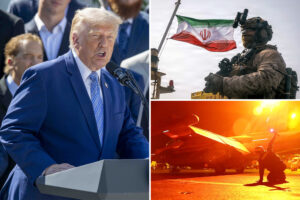
The discussions will be an early foreign policy test for Britain’s new Prime Minister Andy Burnham, whose government has so far refused to allow Washington to use a British airbase for offensive operations against Iran.