


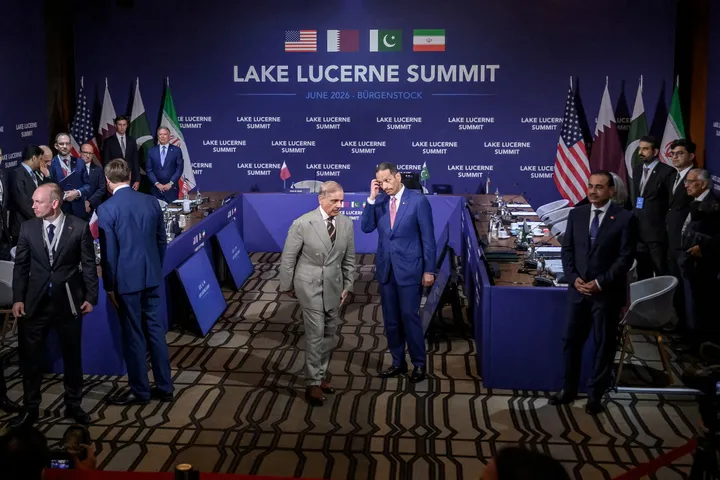
US Vows Free Passage Through Hormuz Amid Iran Tensions

US Secretary of State Marco Rubio has assured Gulf allies that ships will continue to enjoy unrestricted access through the Strait of Hormuz, rejecting any suggestion that Iran could impose transit fees on one of the world’s most important shipping routes.
Speaking during a visit to the United Arab Emirates, Rubio said international law does not permit any country to charge tolls on global waterways, stressing that the United States remains committed to protecting freedom of navigation in the region.
His remarks come as Washington seeks to calm concerns among Gulf nations following a recently brokered 60-day ceasefire agreement with Iran.
Countries including the UAE, Kuwait and Bahrain have expressed worries that the deal could strengthen Tehran’s influence in the region.
Questions have also emerged over the future management of the Strait of Hormuz after the ceasefire agreement opened the door for discussions involving Iran, Oman and other Gulf states once the temporary arrangement expires.
Rubio insisted the US expects the waterway to remain open without additional charges, noting that regional partners share the same position.
The ceasefire has sparked wider debate over the billions of dollars in Iranian assets expected to be released under the agreement.
Some Gulf governments fear the funds could be used to boost Iran’s military capabilities rather than support civilian needs.
Meanwhile, Iran has ruled out any discussion of its ballistic missile programme in future negotiations. President Masoud Pezeshkian maintained that the missiles are essential for the country’s defence and would not be included in any new agreement.
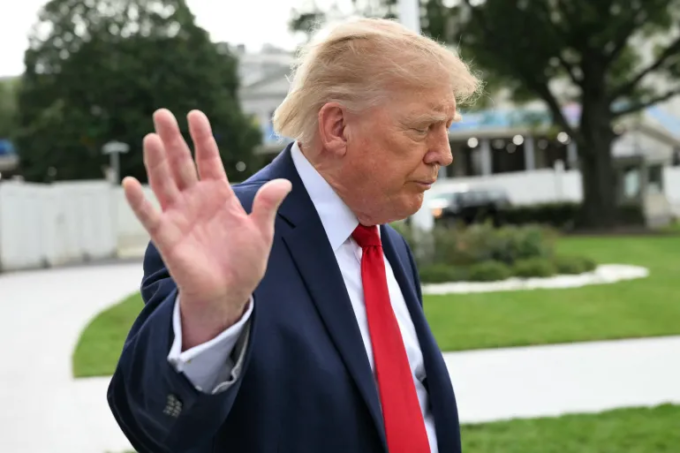
Differences also remain over Iran’s nuclear programme. While US President Donald Trump has claimed Tehran agreed to allow international inspectors to return to its nuclear facilities, Iranian officials have denied that a final arrangement has been reached.
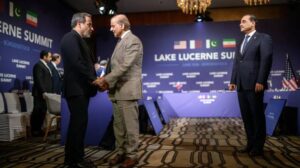
As diplomatic efforts continue, Washington is working to reassure its Gulf allies that regional security concerns will remain a key part of any long-term understanding with Tehran.




















https://shorturl.fm/YdNxt
https://shorturl.fm/PdK0N