


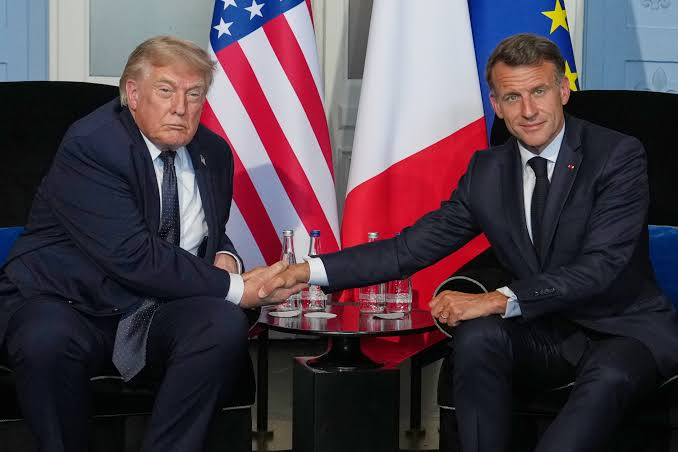
With US–Iran deal sealed, Trump presses on as G7 confronts unfinished details
Donald Trump has said a US–Iran agreement is now formally concluded, insisting that the Strait of Hormuz will be fully reopened in the coming days, even as uncertainty continues to surround key elements of the deal and its enforcement.
Speaking at the G7 summit in Évian-les-Bains, the US president described the arrangement as “signed and underway,” claiming that maritime traffic through the strategic waterway was already improving.
However, diplomatic sources across the summit said leaders were still working through unresolved technical and political questions that could determine whether the agreement holds.
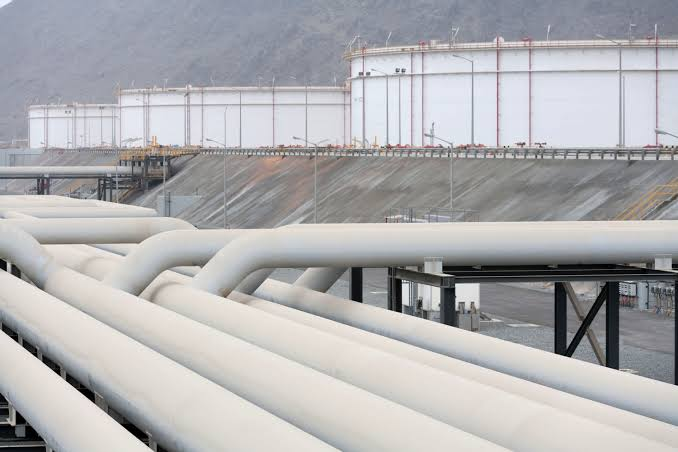
Among the most contentious issues are how shipping through the Strait of Hormuz will be regulated, whether Iran will be permitted to impose any form of maritime charges, and how compliance will be monitored in the absence of a broader enforcement framework.
European leaders at the summit also raised concerns over continuing tensions linked to the wider regional conflict, particularly reports of renewed incidents in Lebanon despite the ceasefire linked to the broader US–Iran understanding.
Officials warned that any further violations could undermine already fragile confidence in the deal.
Trump, however, pushed a more optimistic view, arguing that the agreement would help stabilise global energy markets and ease pressure on oil prices.
He also rejected the idea of a joint European naval mission to secure the strait, saying the United States would not require additional military support.
While Washington officials have indicated that sanctions relief and access to frozen Iranian assets may form part of a phased implementation, they stressed that such steps would depend on Iran demonstrating compliance with its commitments. No immediate financial releases have been confirmed.
The agreement has also exposed divisions within the G7, where some leaders privately questioned whether the US had moved too quickly in finalising the deal without securing stronger guarantees on Iran’s nuclear programme and regional military activity.
Israeli officials have remained cautious, with the government signalling that it does not consider itself bound by all elements of the agreement and reserving the right to respond to perceived threats from Iran or its regional allies.
As negotiations continue on the finer details, diplomats at the summit warned that the coming days will be critical in determining whether the agreement stabilises the region or becomes another short-lived diplomatic framework strained by competing interests and unresolved conflicts.

















https://shorturl.fm/r7hGU