


By: Chioma Madonna Ndukwu
8 Ways to Stay Healthy on a Night Shift
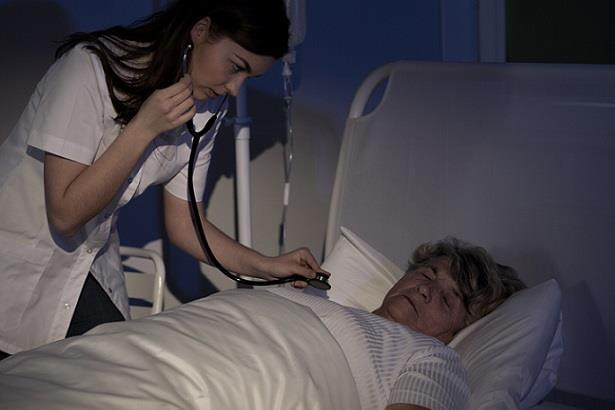
At 10pm, when many people are settling into bed, a nurse may be starting a ward round. A security guard may be taking his post. A factory worker may be beginning a shift.
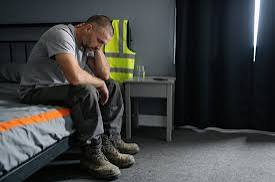
For millions of people, night is not bedtime. It is the working day.
But the human body does not easily forget its natural clock. Working through the night and sleeping during daylight can make it harder to get enough quality sleep and can leave workers struggling with concentration and alertness.
The National Institute for Occupational Safety and Health says fatigue linked to non-standard schedules can slow reaction time, reduce attention and impair judgment. (CDC)
So how can someone who works at night protect their health?
1. Make sleep non-negotiable
Do not treat daytime sleep as spare time that can be sacrificed for errands and family demands.
NIOSH advises night workers to sleep as long as possible and, where practical, take a nap before returning to work. (CDC)
The goal is to protect enough total sleep across each 24-hour period.
2. Make your bedroom feel like night
Sunlight, noise and household activity can make daytime sleep difficult.
Use blackout curtains or an eye mask, reduce noise and put your phone on a setting that prevents unnecessary interruptions.
Your family and friends may also need to know that your sleeping hours are your working hours in reverse.
3. Use light to your advantage
Light can help the body stay alert.
NIOSH recommends brighter light during the earlier part of a night shift and reducing bright-light exposure later when possible, particularly when preparing to sleep. (CDC)
But workers who are already very sleepy should not use dark sunglasses as a substitute for safe transport home.
4. Know when to stop the coffee
Caffeine can help with alertness, but timing matters.

NIOSH notes that caffeine can remain in the body for several hours, so night workers who use it should avoid taking it too close to their planned sleep time. (CDC)
That late-night energy drink may keep you awake at work and awake again when you finally reach your bed.
5. Plan what you eat
Night work can make regular meals difficult, but surviving on sugary snacks, energy drinks and heavy meals is not a good long-term strategy.
Plan meals and snacks before your shift. Choose foods that provide lasting energy without leaving you uncomfortable when it is time to sleep.
6. Keep moving
A night schedule should not mean abandoning physical activity.
Walking, cycling, swimming, strength exercises or another activity you enjoy can help you maintain fitness. The important thing is to fit exercise around your sleep rather than sacrificing sleep for exercise.
7. Be careful on the journey home
This may be the most important trip of the day.
After several hours awake and working, fatigue can affect reaction time, concentration and judgment. (CDC)
If you are struggling to keep your eyes open, do not force yourself to drive. Arrange another way home or rest before travelling.
8. Do not completely reverse your routine on days off
Constantly switching from sleeping during the day on workdays to sleeping at night on days off can make adjustment harder.
Try to keep some overlap in your sleep schedule, particularly if you regularly work the same night shift.
Sleep expert Robon Vanek, APRN, CNP, explains that night workers can find themselves fighting their natural body clock.
“Most people are awake during the day because our internal clock is keeping us awake,” Vanek said. “When you work a nontraditional shift, though, your body’s awakening signals are likely to conflict with your desire to sleep.” (Cleveland Clinic)
And that conflict deserves attention. Night work is sometimes unavoidable. But exhaustion does not have to become part of the job description.
Night and other non-standard shifts can contribute to fatigue, which may affect concentration, memory, reaction time and judgment. (CDC)
Health Notes
Protect your sleep. Plan your meals. Use light carefully. Watch your caffeine. Stay active. And never ignore dangerous drowsiness, especially before driving home.
Your shift may belong to the night, but your health still needs attention during the day.
























Leave a comment