


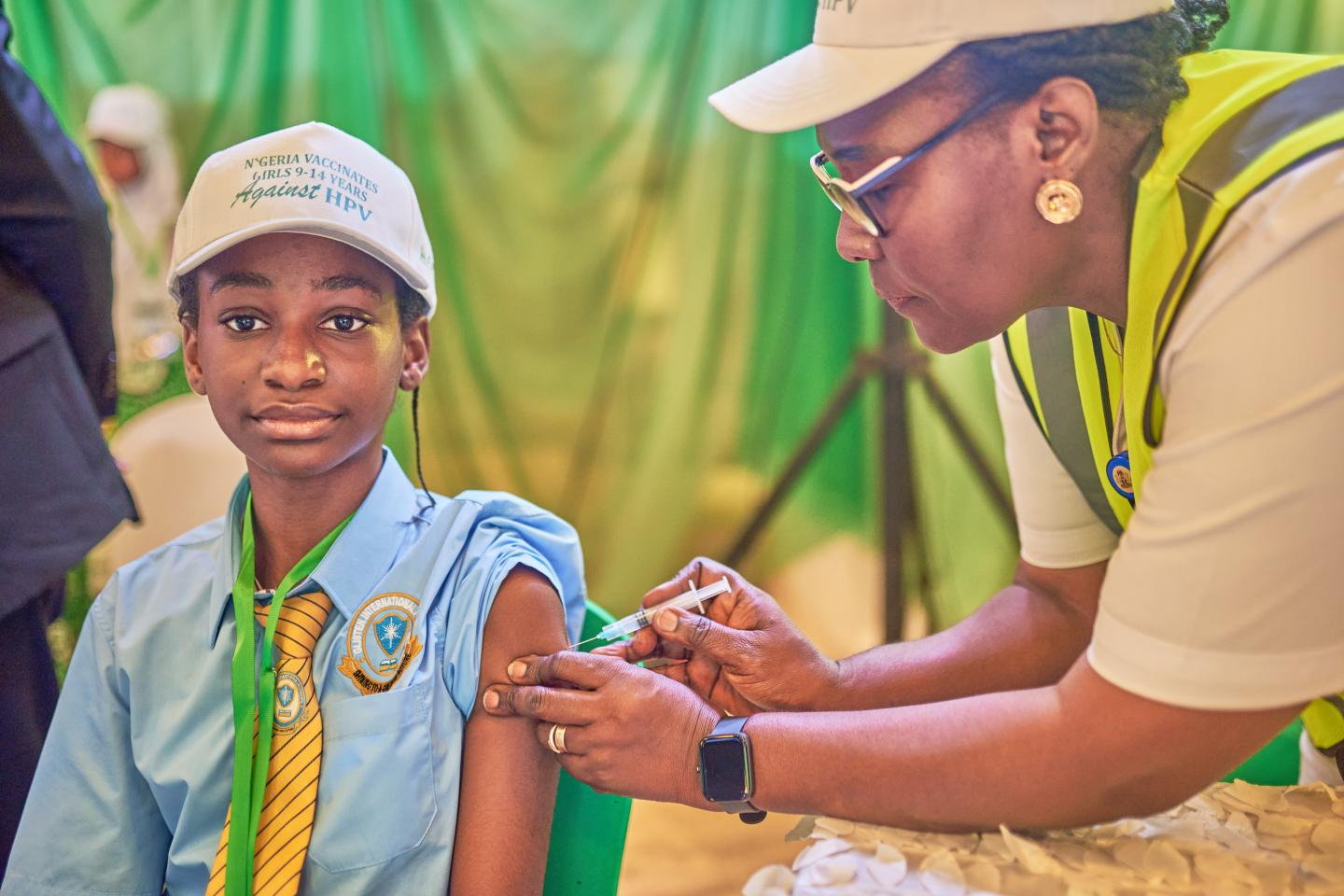
18m Nigerian Girls Receive HPV Vaccine As Cervical Cancer Fight Intensifies
More than 18 million adolescent girls in Nigeria have received the Human Papillomavirus (HPV) vaccine as the country steps up efforts to prevent cervical cancer.
The figure represents about 76 per cent of the government’s target population, according to the Director of Disease Control and Immunisation at the National Primary Health Care Development Agency (NPHCDA), Dr Rufai Garba.
Garba disclosed the latest vaccination figures on Tuesday at a policy roundtable in Abuja focused on strengthening Nigeria’s response to cervical cancer.
The meeting was organised by MSD in collaboration with Africa Health Business and brought together stakeholders to discuss ways of improving vaccination, screening and treatment.
According to Garba, Nigeria has recorded substantial progress since HPV vaccination became part of the country’s routine immunisation programme in October 2023.
“Today, we are around 76 per cent coverage of our target, but in terms of numbers, we have crossed 18 million adolescent girls,” he said.
Despite the progress, Garba said vaccination could not, on its own, eliminate cervical cancer, stressing the importance of detecting the disease early through wider screening and ensuring that affected women receive timely treatment.
Nigeria initially set a target of 7.7 million girls between the ages of nine and 14 for the first phase of the HPV vaccination campaign, with support from Gavi, UNICEF, WHO and other development partners.
The vaccine is provided at no cost to eligible girls through public health facilities. Authorities have also used schools and community outreach programmes to reach more girls and improve access to vaccination.
Garba said cervical cancer remains a major health concern in the country, with Nigeria recording an estimated 12,000 new cases every year and close to 8,000 deaths annually.
Meanwhile, MSD’s Director of External Affairs for Sub-Saharan Africa, Vuyo Mjekula, urged increased involvement from the private sector in efforts to tackle the disease.
Mjekula said stronger collaboration between government agencies, healthcare providers, civil society organisations and private companies would be necessary to expand access to HPV vaccination, cervical cancer screening and treatment.
























Leave a comment