


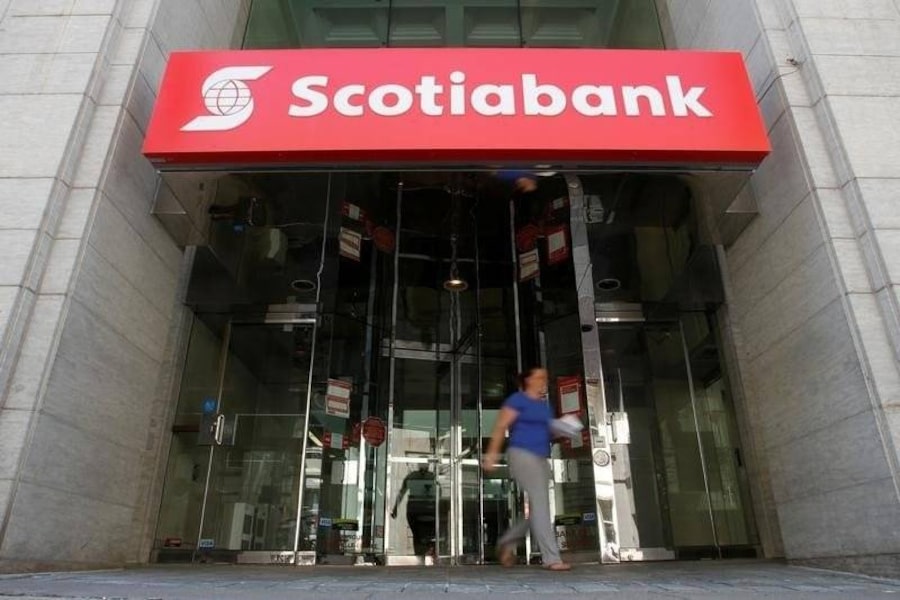
Scotiabank to Pay $10.45 Million in Customer Refunds After Fee Dispute Settlement
Thousands of Scotiabank customers across Canada are set to receive automatic payments after the bank agreed to settle a class action lawsuit over certain non-sufficient funds (NSF) fees.

The settlement, valued at $10.45 million, will compensate about 148,000 eligible customers who were charged duplicate NSF fees on some pre-authorized debit transactions between June 21, 2020, and April 30, 2024.
The lawsuit claimed that customers were charged a $48 NSF fee when a pre-authorized payment failed due to insufficient funds.
If the same merchant attempted to process the identical payment again within two to 30 days, Scotiabank allegedly imposed another $48 NSF fee, even though it involved the same transaction.
Lawyers representing the class argued that the second charge unfairly penalized customers because they had no control over whether a merchant would retry the payment. Scotiabank denied any wrongdoing but agreed to resolve the matter through the settlement.
The Ontario Superior Court approved the agreement after a hearing held on June 12, 2026.
Customers who qualify do not need to file a claim or complete any paperwork. The bank will identify eligible account holders using its records and automatically deposit their share of the settlement into qualifying accounts.
On average, eligible customers are expected to receive approximately $42.82, although the exact amount may vary depending on the final distribution of the settlement fund.
To qualify, customers must:
- Have an active Scotiabank personal deposit account capable of receiving the payment.
- Have been charged a $48 NSF fee on a pre-authorized debit between June 21, 2020, and April 30, 2024.
- Have incurred a second $48 NSF fee after the same merchant resubmitted the identical payment within two to 30 days.
- Not have already been refunded for the duplicate fee.
The Scotiabank settlement follows similar agreements involving other major Canadian banks over duplicate NSF fee practices.
TD Bank previously settled a comparable lawsuit for $15.9 million, while RBC agreed to a $7.05 million settlement. CIBC has also proposed a $10 million settlement, which is awaiting court approval.
The cases come as Canada tightens consumer protections in the banking sector. Since March 12, 2026, federally regulated financial institutions have been prohibited from charging more than $10 for an NSF fee on personal deposit accounts.
The new rules also prevent banks from imposing multiple NSF fees on the same account within a two-business-day period and ban such fees when the account shortfall is less than $10.

Customers who believe they were charged NSF fees above the new limit after the regulations took effect can raise the issue through their bank’s complaint process or report it to the appropriate consumer protection authorities.