

“N70,000 Is Now a Poverty Wage,” NLC Declares as Fresh Wage Battle Looms
The Nigeria Labour Congress (NLC) has described the current ₦70,000 national minimum wage as inadequate to meet the realities of rising living costs, declaring that it has effectively become a “poverty wage.”

The labour union also signalled the beginning of preparations for another round of minimum wage negotiations, saying its focus will shift from demanding a basic minimum wage to securing what it describes as a dignity wage capable of meeting the essential needs of Nigerian workers.
Speaking at the opening of the Workers’ Solidarity Centre in Uyo, Akwa Ibom State, NLC President Joe Ajaero said organised labour would approach the coming negotiations with determination rather than compromise.
According to him, the existing wage structure has been overtaken by inflation and the increasing cost of living, making it impossible for many workers to adequately provide for their families.
Ajaero urged labour unions across the country to remain united ahead of the negotiations, insisting that workers should demand salaries that guarantee decent housing, food, education and healthcare instead of accepting wages that barely sustain daily survival.
He stressed that the struggle ahead is about securing a living wage that reflects current economic realities and restores dignity to Nigerian workers.
The NLC president also expressed concern over Nigeria’s continued appearance among countries criticised for violations of workers’ rights, citing restrictions on trade union activities, collective bargaining and the right to strike.
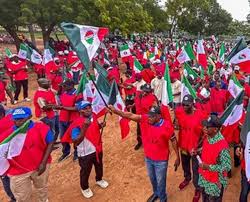
He called on the Federal Government to immediately forward the reviewed Labour Bills to the National Assembly, arguing that the prolonged delay in passing the legislation has weakened labour protections and allowed unfair workplace practices to persist.
Ajaero maintained that the proposed reforms would strengthen workers’ rights and bring Nigeria’s labour laws closer to internationally accepted standards.
Addressing the country’s economic situation, he argued that Nigeria’s financial challenges are rooted more in poor management of public resources than in a lack of revenue.
He said funds that should improve healthcare, transportation and other public services are being lost through wasteful spending and other leakages.
Looking ahead to the 2027 general elections, Ajaero urged organised labour to build a long-term political strategy focused on policies that improve workers’ welfare rather than limiting its engagement to election periods.
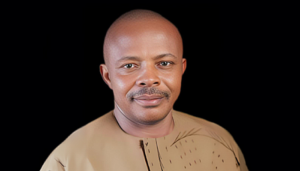
Former NLC President Ayuba Wabba, who also spoke at the event, emphasised the need for sustained political education within the labour movement and cautioned unions against repeating mistakes made during previous political engagements.