


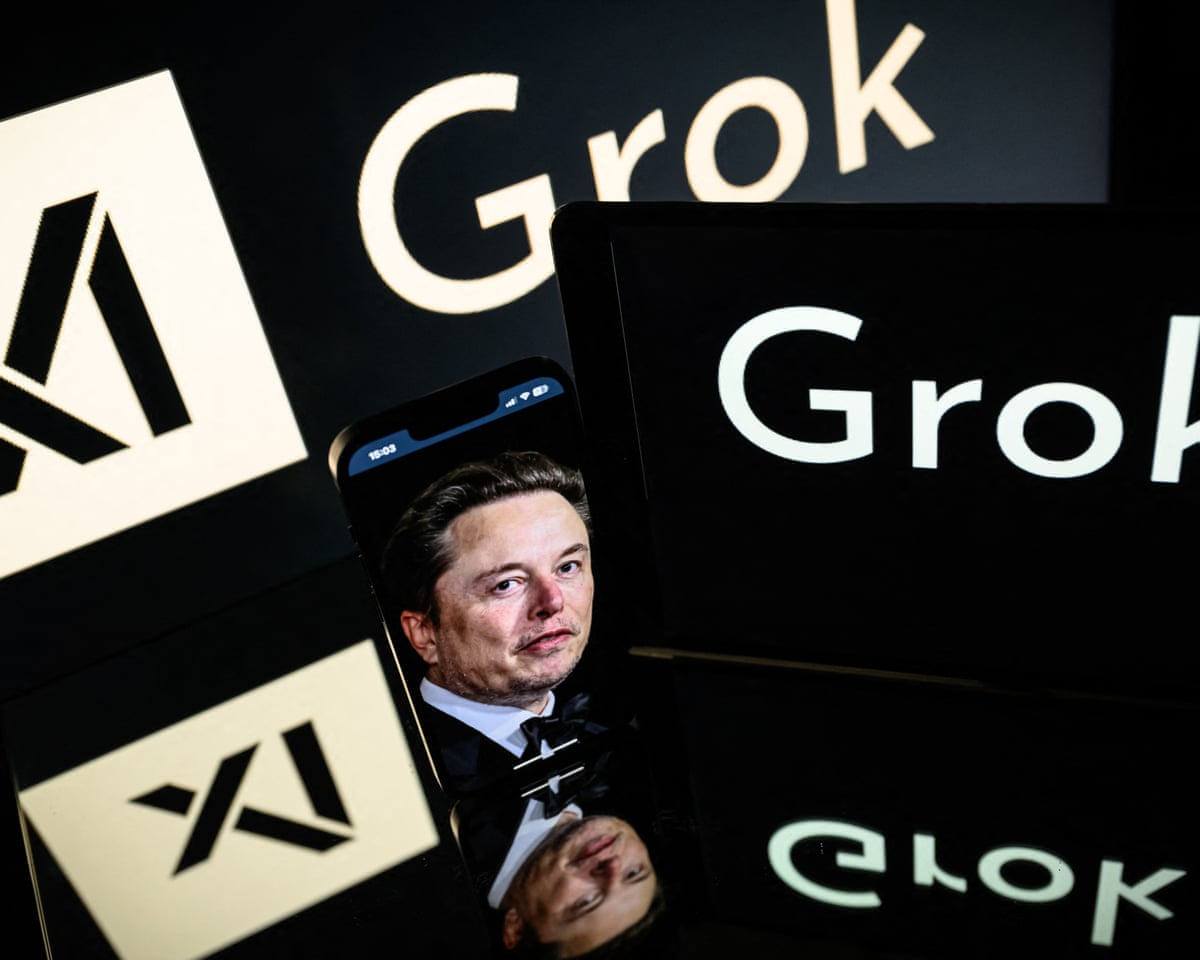
Elon Musk’s Grok Breaks Silence on Tinubu’s Alleged AI Broadcast
Elon Musk’s Grok has weighed in on allegations surrounding President Bola Ahmed Tinubu’s Independence Day broadcast, following claims that artificial intelligence was used in producing it.
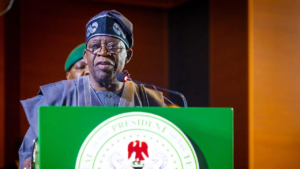
Tinubu delivered the national address on Thursday, October 1, during Nigeria’s 66th Independence anniversary, speaking about economic reforms, hardship and his administration’s plans.
In the broadcast, the President declared that the difficult period facing Nigerians was gradually giving way to prosperity and urged citizens to remain hopeful.
Tinubu also insisted that his administration would not reverse the removal of fuel subsidy, a policy that has continued to generate strong reactions across Nigeria.
The speech, which was broadcast on major television stations, later became a subject of discussion online after some users questioned whether the footage had been digitally generated.
An X-based group, iOccupyNigeria, alleged that artificial intelligence had been used in producing the presidential broadcast and raised questions about the movement of Tinubu’s mouth.
The group also suggested that the President’s lip movements did not appear perfectly synchronised with his words, prompting further reactions from social media users.
The allegation eventually led an X user to ask Grok, the artificial intelligence chatbot developed by Musk’s xAI, whether Tinubu’s Independence Day broadcast appeared to be AI-generated.
Grok responded that it found no indication that the presidential address had been generated using artificial intelligence, describing the footage as apparently genuine.
The chatbot said the recording appeared to show Tinubu delivering his 2026 Independence Day address from the Presidential Villa in Abuja.
Grok pointed to several factors, including the consistency between the broadcast and the published speech, official branding and what it described as natural movements.
It also noted that the recording corresponded with the full speech published by Nigerian media organisations and was shared through Tinubu’s verified social media account.
However, Grok acknowledged that modern AI-generated videos can closely resemble authentic recordings, making definitive conclusions difficult through visual inspection alone.
The response means that, based on the available footage, Grok did not find evidence supporting the claim that Tinubu’s broadcast was entirely generated by artificial intelligence.
The controversy comes as AI technology becomes increasingly sophisticated, making it possible to create realistic videos, voices and images that can be difficult to distinguish from genuine material.
Nigeria has also experienced growing concerns over digitally manipulated content involving public figures, particularly as political discussions increasingly unfold across social media platforms.
Tinubu’s Independence Day address itself focused largely on the economy, government reforms and the President’s assurance that Nigeria was moving towards greater prosperity.
The speech has continued to attract reactions from politicians, commentators and ordinary Nigerians, with disagreements ranging from the substance of the President’s message to questions surrounding its presentation.
While Grok’s assessment does not support the AI-generation allegation, establishing whether any digital alteration occurred would require technical examination beyond ordinary visual inspection of the publicly circulated recording.
For now, the claim remains a subject of online debate, while Grok’s response has provided an assessment that challenges the allegation surrounding Tinubu’s Independence Day broadcast.













Leave a comment