


Canada’s British Columbia Sues OpenAI Over Deadly School Shooting
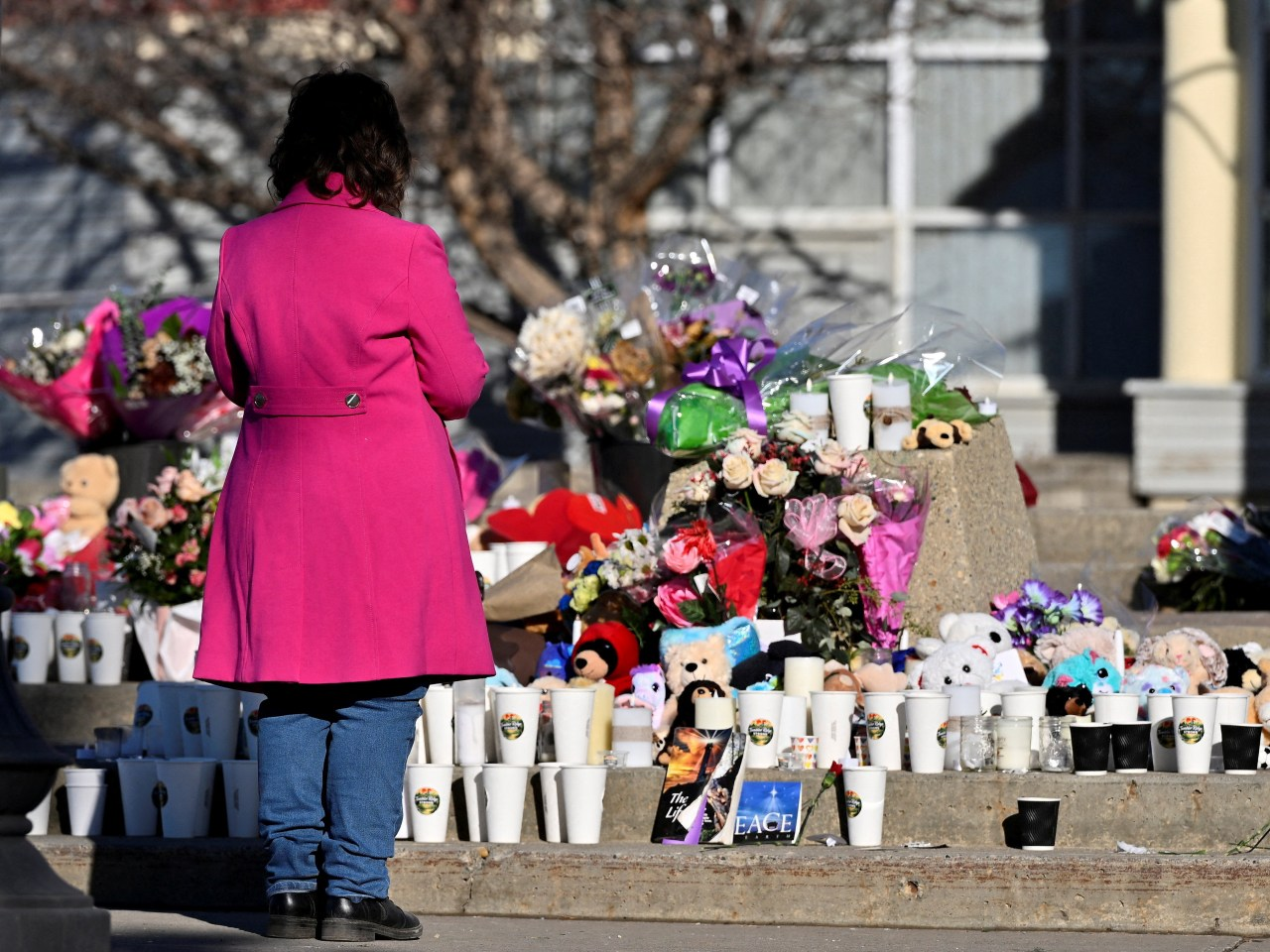
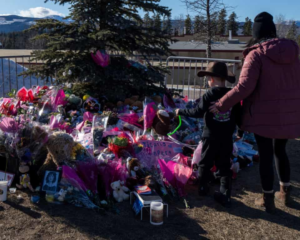
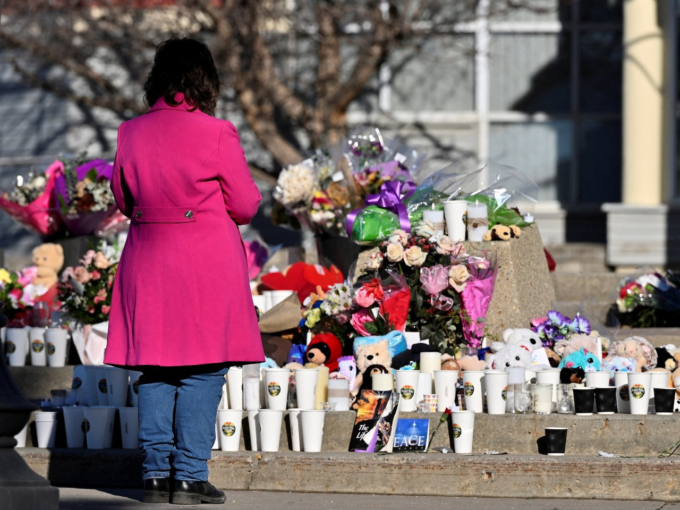
The Canadian province of British Columbia has sued OpenAI and its chief executive, Sam Altman, over a February school shooting that killed nine people, mostly children.

The lawsuit, filed in a federal court in San Francisco on Monday, alleges that the attack in Tumbler Ridge could have been prevented if OpenAI had alerted law enforcement about the shooter’s use of ChatGPT.
According to the lawsuit, OpenAI’s safety team had flagged the shooter, Jesse Van Rootselaar, after detecting conversations involving gun violence.
The province alleges that members of the safety team recommended contacting police, but the recommendation was overruled by senior OpenAI leadership.
Van Rootselaar’s ChatGPT account was subsequently deactivated, but the lawsuit says she created another account and continued using the platform.
The shooting occurred on February 10, when Van Rootselaar, 18, first shot her mother and stepbrother at home before attacking her former school.
Police said she killed an educational assistant and five students aged 12 and 13 before dying by suicide.
British Columbia is seeking damages to cover the costs arising from the attack, including recovery efforts, mental health services and the replacement of the school where the shooting occurred.
The province is also asking the court to order changes to how OpenAI handles ChatGPT conversations that could indicate plans for violence.
The lawsuit comes after more than 30 relatives of victims and others affected by the attack filed separate cases against OpenAI in California.
Those lawsuits similarly accuse the company of failing to act despite alleged warning signs surrounding the shooter’s interactions with ChatGPT.
OpenAI has disputed the allegations.
A company spokesperson, Drew Pusateri, described the Tumbler Ridge shooting as an “unspeakable tragedy” and said OpenAI remained committed to working with government and law enforcement authorities.
The company has also said its systems are designed to reject requests that could meaningfully enable violence and to notify law enforcement when conversations indicate an imminent and credible threat to others.
The British Columbia case adds to growing legal scrutiny of OpenAI over allegations that ChatGPT contributed to violent incidents.
In June, Florida also sued OpenAI, alleging safety failures involving ChatGPT and claiming the platform had exposed children to harmful material and information related to violence and self-harm.
OpenAI has denied those claims.























Leave a comment