


“I Had His Records” – Doherty Speaks On Tinubu’s University Controversy
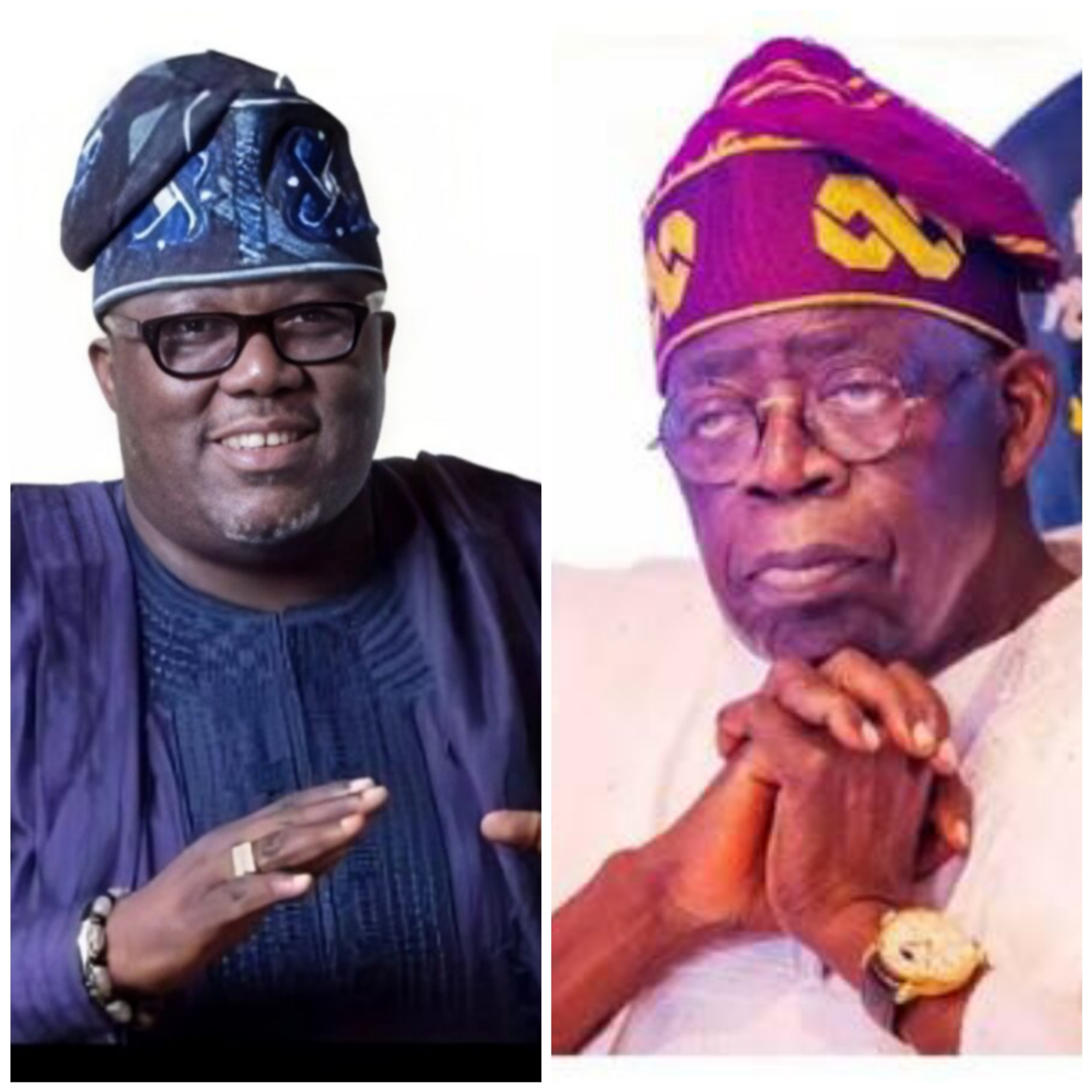
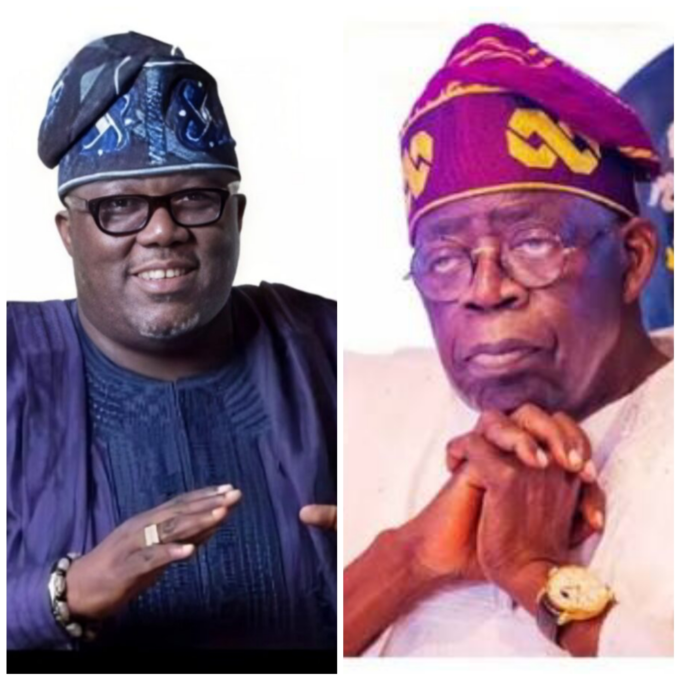
Former Chicago State University lecturer Adedeji Doherty has revisited the long-running debate over President Bola Tinubu’s academic background, saying he personally held information connected to the controversy.
At the centre of his latest interview was his claim that he had access to records relating to Tinubu when questions about the President’s education first became a major public issue.
Doherty said people seeking information on Tinubu’s academic history approached him around 1999, at a time when the matter was already attracting political attention.
He said he shared what he had with them, but advised that elections should be won through campaigning and public engagement rather than through disputes over records alone.
He also said he worked at Chicago State University between 1985 and 1990, a period he believes gives weight to his account.
Doherty’s Account Of His Role At Chicago State
Doherty claimed he headed the programme which Tinubu was said to have attended, and argued that this role gave him direct knowledge of the university’s arrangements.
He maintained that, in his view, Tinubu did not study at the institution, a claim the President has not responded to in this latest round of allegations.
He also accused the Minister of Education, Dr. Tunji Alausa, of misleading the public by defending the claim that Tinubu attended Chicago State University.
Doherty further alleged that documents submitted to the Independent National Electoral Commission (INEC) listed schools which, according to him, Tinubu did not attend.
He warned that the controversy could attract international legal attention, while arguing that strong language was needed to confront what he described as serious misconduct within public institutions.
What Doherty Said About 2027
Turning to the 2027 general elections, Doherty expressed confidence that voters would reject the current administration at the polls.
He criticised the government’s performance, pointing to what he described as rising poverty, unemployment and insecurity across the country.
He argued that many Nigerians were dissatisfied and were seeking a change in leadership, adding that the final decision would rest with the people rather than with governors or other political actors.
President Tinubu is yet to respond to the latest allegations.










Leave a comment