


By: Chioma Madonna Ndukwu
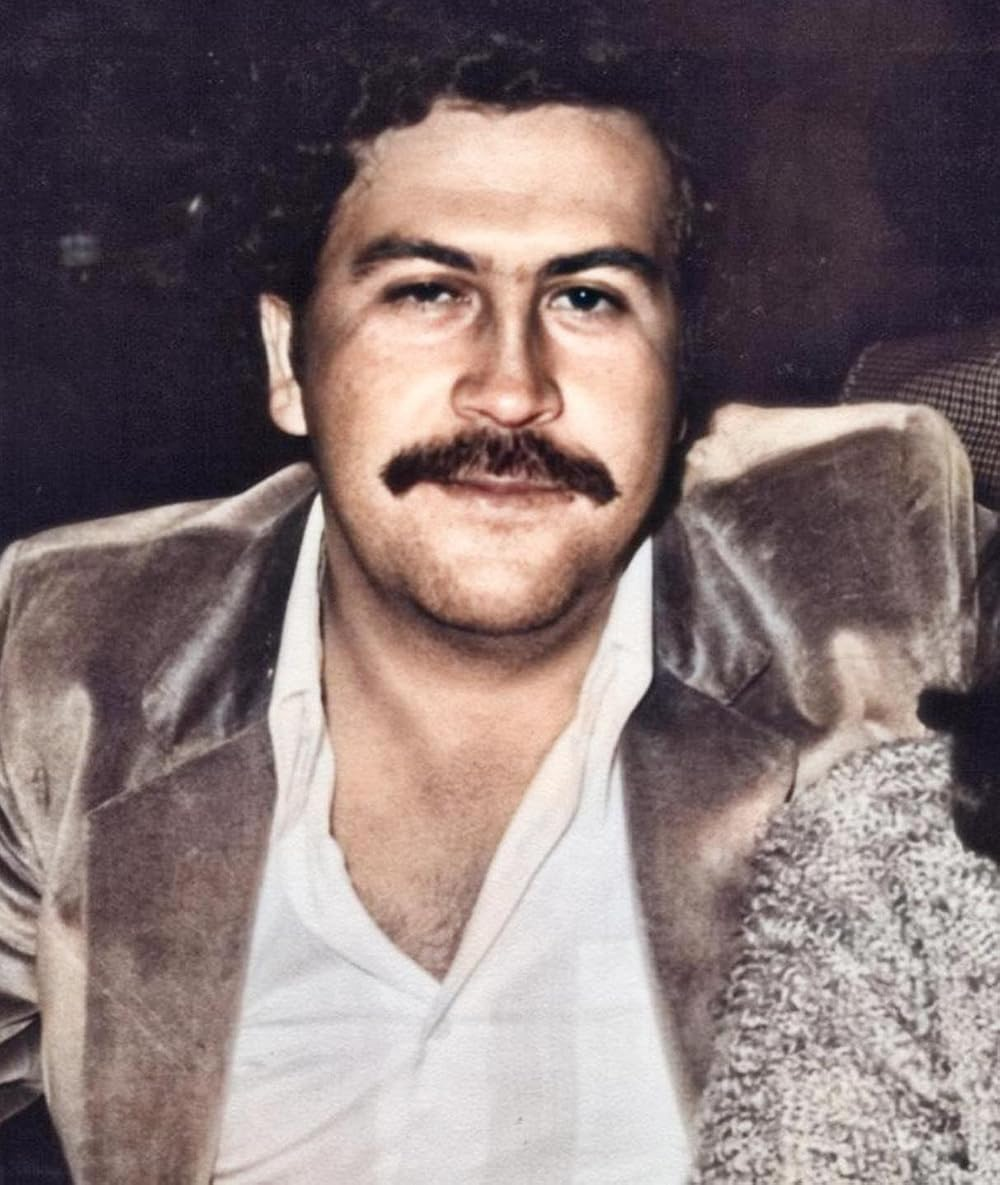
The Way We Live| Pablo Escobar: Too Rich to Be at Peace?
“Do you know how much money I want to make before I turn thirty?”
“Enough to buy a house?”
“House? My brother, I want houses, cars, connections and the kind of money that makes people stand up when I enter a room.”
His friend laughed.
“Then I hope you also plan to buy peace of mind.”
“Peace of mind? Does it pay bills?”
They laughed again, but the question lingered. What happens when the money arrives, the lifestyle becomes attractive, and the cost of acquiring that wealth begins to haunt its owner?
The story of Pablo Escobar offers a sobering lesson. Escobar was a Colombian drug lord who became one of the world’s most notorious criminals.
His cocaine empire brought him extraordinary wealth, but it also fuelled violence, corruption and suffering.
His story reminds us that becoming rich and living well are not necessarily the same thing.
In 1984, Colombian drug traffickers reportedly offered to surrender their billion-dollar assets or help pay the country’s foreign debt in exchange for immunity from prosecution and extradition to the United States.
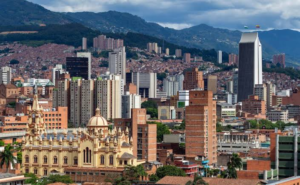 Medellín, Colombia, where Escobar built his criminal empire.
At the time, Colombia’s foreign debt was estimated at more than $9 billion. Historical accounts differ over Escobar’s precise role and the details of the proposal, but the reported offer revealed the extraordinary scale of the traffickers’ wealth.
The Colombian government rejected the proposal. Think about that for a moment.
Men associated with an enormous criminal enterprise were reportedly prepared to use their wealth to settle a national financial burden, provided they could escape the consequences of their crimes.
Money had become powerful enough to enter the conversation about a country’s debt, but it could not guarantee freedom from justice.
Now, let us bring the conversation closer to home.
“Omo, I must hammer this year,” a young man tells his friend.
“Same here. I am tired of managing.”
“So, what is the plan?”
“Anything that brings money. We need to live the soft life.”
They laugh, exchange knowing looks and return to scrolling through social media, where expensive cars, designer clothes and exotic holidays appear to be the standard measures of success.
 The attraction of a flashy lifestyle can sometimes overshadow questions about where the money comes from.
In Nigeria, expressions such as Yahoo, runs, big boy and don blow are often heard in conversations about money and success. Their meanings vary with context, and using such expressions does not automatically mean someone is involved in crime.
Yet the pressure to appear wealthy can sometimes make questionable shortcuts look attractive.
“Omo, this guy don blow!” someone announces when an acquaintance suddenly acquires an expensive car.
“Which work does he do?”
“Ah, leave that one. Must everybody know everybody’s business?”
“Fair enough. But if the money is clean, why is everybody afraid to ask questions?”
Suddenly, the conversation becomes less entertaining.
The problem is not wealth itself. There is nothing wrong with earning well, building a successful business or enjoying the rewards of honest work.
The concern begins when the appearance of success becomes more important than the means used to achieve it.
Money can solve genuine problems. It can pay school fees, provide healthcare, improve living conditions and give families opportunities they might otherwise never have.
For people struggling with rising costs and limited opportunities, the desire to earn more is understandable.
But there is a difference between wanting a better life and pursuing money at any cost.
“Guy, you mean you are still trekking?” a young man asks his friend.
“Yes. I am saving towards something important.”
“Ah! You need to wake up. Money is the only language people understand.”
His friend smiles.
“Really? Then why do some rich people still live in fear?”
For a moment, the laughter stops.
Consider the person who makes money through fraud and spends every day wondering whether the police will arrive, a victim will expose the scheme, or an accomplice will betray him.
He may own an expensive car, but can he drive without constantly looking over his shoulder?
 Wealth may buy comfort, but it cannot guarantee peace of mind.
He may live in a beautiful house, but can he sleep peacefully if his fortune depends on keeping the truth hidden?
Not every wealthy person is dishonest, and not every dishonest person is caught. Nevertheless, the absence of immediate consequences does not erase the harm caused by wrongdoing.
The world has witnessed financial scandals, corporate fraud and corruption involving people who once enjoyed public admiration.
Their stories remind us that an impressive lifestyle does not always reveal the truth about how a fortune was built.
American civil rights leader Martin Luther King Jr. addressed the danger of making money the centre of one’s existence in his sermon series The False Gods We Worship. He warned against becoming more concerned with “making a living than making a life.”
His message remains relevant in a world where people can become so consumed by the pursuit of wealth that they neglect their values, relationships and well-being.
African leaders have also spoken about the importance of character and responsibility. Nelson Mandela’s life and public legacy, in particular, continue to invite reflection on the relationship between personal ambition, integrity and service to others.
A successful life should mean more than accumulating possessions. It should also leave room for dignity, meaningful relationships and the freedom to live without constantly concealing the truth.
Pablo Escobar’s story eventually reached a violent end. He was killed during a police operation in Medellín, Colombia, on December 2, 1993. His criminal empire had left a legacy of violence and suffering that extended far beyond his personal fortune.
His story should not be reduced to the fascination surrounding his money, properties or influence.
Behind the image of extraordinary wealth was a criminal enterprise associated with human suffering and the destruction of lives.
Imagine spending years accumulating money only to discover that you cannot trust the people around you.
Imagine having everything that impresses strangers but losing the freedom to move, speak or live without fear.
What exactly have you gained?
A Nigerian father once told his son:
“My boy, I want you to be successful. I want you to live better than I have lived.”
The young man smiled.
“Daddy, don’t worry. I will make it big.”
The father nodded.
“Please do. But when you get there, make sure you can explain how you got there without lowering your eyes.”
That advice is worth keeping. We should not romanticise poverty or pretend that integrity makes life easy.
Honest people struggle, dishonest people sometimes prosper, and the world does not always reward good conduct immediately.
Still, the desire for a better life should not make us careless about the kind of people we become along the way.
A flashy lifestyle may attract attention, but attention is not respect. Money may open doors, but it cannot guarantee that the people behind those doors genuinely trust us.
The question is not simply how much a person has accumulated. It is also what the person has sacrificed, whom the person has hurt and whether the resulting life is one worth living.
Wealth can change how a person lives, but the way that wealth is acquired can determine what that person must live with.
Personal Thoughts:
The desire to succeed is understandable, especially when honest work does not always provide quick rewards. But we should be careful not to mistake unexplained wealth for admirable success.
One Thing Worth Remembering:
A flashy lifestyle may attract attention, but integrity gives a person something money cannot guarantee: the freedom to live without constantly hiding the truth.
Let’s Talk:
Would you rather build your wealth gradually through honest work or pursue quick money through questionable means? What can society do to make integrity more attractive to young people?

















Leave a comment