


By: Chioma Madonna Ndukwu
Anaemia in Pregnancy May Leave a Mark on a Baby’s Developing Brain
A pregnant woman may be told that feeling tired is normal, especially as her body changes and the baby grows. Sometimes, however, tiredness is the body asking for attention.
One condition that can hide behind that familiar exhaustion is anaemia. It is common during pregnancy, often treatable, and now new research suggests that its effects may reach further than the mother’s immediate health.
A South African study has found an association between anaemia during pregnancy and differences in the brain structures of babies during their first two years of life.
The research followed 394 mother-child pairs in Cape Town. Some of the babies had their brains examined at different ages, from about three months through their second birthday.
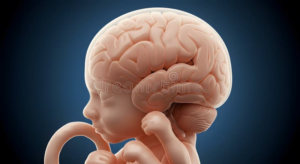
The researchers found that differences became noticeable from around 12 months. Babies whose mothers had experienced anaemia during pregnancy had smaller measurements in several brain structures than those whose mothers had not been anaemic.
The differences were seen in areas including the corpus callosum, caudate nucleus and putamen. These parts of the brain are involved in communication between brain regions, movement, learning and other developing functions.
In one group examined with portable, ultra-low-field MRI, babies exposed to maternal anaemia had an average intracranial volume about 3.77 percent smaller across the first two years.
The study also found a difference in the corpus callosum that was about four percent at 12 months and about six percent by 24 months, suggesting that the gap did not simply disappear with age.
Jessica Ringshaw, the neuropsychologist who led the research, said the findings should strengthen attention to anaemia during pregnancy and the need to identify it early.
“We should be screening for anaemia and iron deficiency, particularly during pregnancy,” said Ringshaw, who conducted the research through the University of Cape Town and King’s College London.
Her concern is understandable when the scale of the problem is considered. The World Health Organization estimates that 35.5 percent of pregnant women aged 15 to 49 worldwide had anaemia in 2023.
Anaemia occurs when the blood does not contain enough haemoglobin to carry sufficient oxygen around the body. Iron deficiency is a major cause, although infections, chronic diseases and other nutritional deficiencies can also contribute.
Professor Kirsty Donald, deputy director of the University of Cape Town’s Neuroscience Institute, said the research provides a closer look at what maternal anaemia may mean for children.
“Anaemia in pregnancy, much of it related to iron deficiency, affects millions of women and children worldwide,” Donald said, pointing to the importance of understanding maternal nutrition and early brain development.
The problem is especially important in places where maternal anaemia remains widespread. Across many parts of Africa and South Asia, pregnant women face a combination of nutritional challenges, infections and limited access to consistent healthcare.
Professor Steve Williams, Professor of Neuroimaging at King’s College London, said the study also demonstrated the potential of newer imaging technology for studying children in places where conventional scanners are difficult to access.
“This study has proven that our novel technology can measure the impact of malnutrition on the developing brain,” Williams said, describing its potential for assessing interventions in challenging environments.
Still, there is an important distinction every expectant mother should understand. The study found an association between maternal anaemia and brain-structure differences; it did not prove that anaemia alone caused those differences.
That means a woman who experienced anaemia during pregnancy should not read the findings as a prediction about her child’s future. The research is a warning about a preventable and treatable condition, not a reason for mothers to carry unnecessary guilt.
The practical lesson is simpler. Antenatal visits matter, blood tests matter, and symptoms that persist should not automatically be dismissed as part of pregnancy.
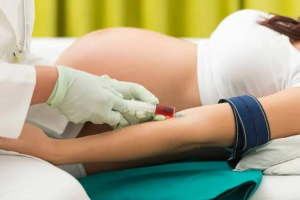
A woman experiencing unusual weakness, dizziness, breathlessness, headaches or persistent exhaustion should speak with a qualified health professional rather than attempting to diagnose herself.
Food can also contribute to maintaining healthy iron levels. Beans, meat, fish, dark green vegetables and fortified foods can provide useful nutrients, while prescribed iron and folic acid supplements should be taken according to professional advice.
Did You Know?
The WHO estimates that more than one in three pregnant women worldwide lived with anaemia in 2023, showing that maternal blood health remains a major global health concern.
A pregnancy is not only about watching a baby grow. It is also about protecting the woman carrying that life, because her nutrition, blood health and wellbeing form part of the environment in which her baby begins life.





















Leave a comment