


By: Chioma Madonna Ndukwu
The Way We Live: Those Who Respect You Deserve to Be Respected
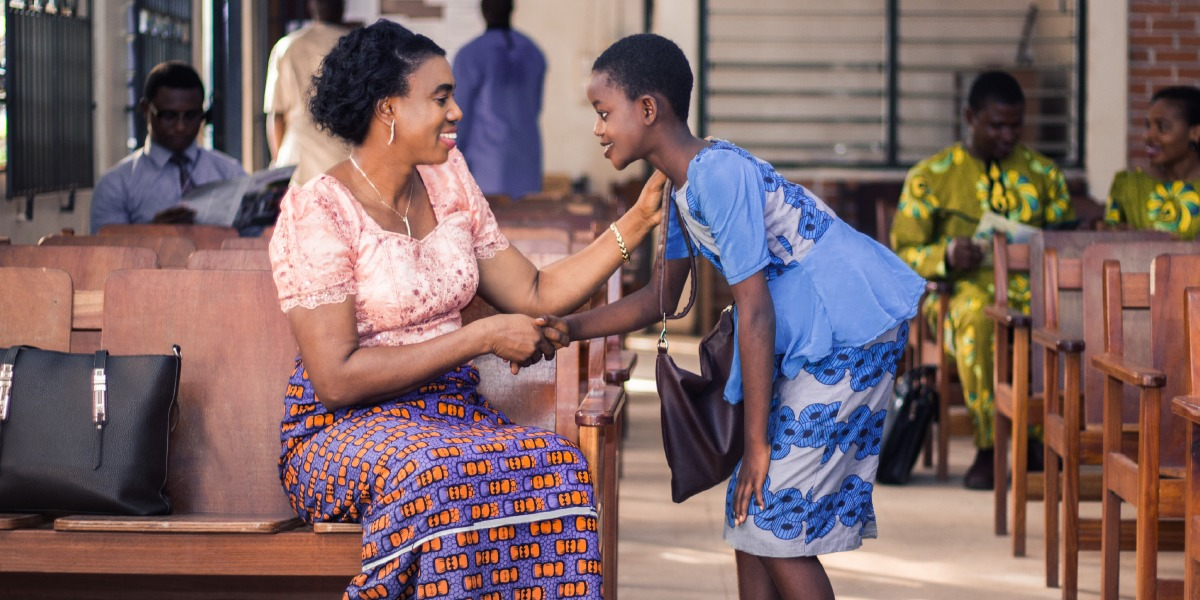
“Good morning, ma.”
The woman heard her, but kept walking. She did not turn around, and the younger woman continued on her way without showing any sign of annoyance.
Later, her friend asked, “Why do you still greet her? She hardly answers you.”

She smiled and said, “Because her behaviour is hers. My respect is mine.”
I kept thinking about that sentence because it says something many of us struggle to practise. We often allow another person’s behaviour to determine the person we become.
In Lagos, respect can be tied closely to age, position and status. Someone older is addressed carefully, a boss receives a warm greeting, while the security guard may barely receive eye contact.
I once watched a well-dressed man speak gently to his manager before turning around and shouting at a cleaner who had moved his chair.
“Why are you shouting at him?” his colleague asked.
“He should know better,” the man replied, while the cleaner quietly gathered his things and walked away.
That small scene said more about respect than a long speech could have done. We sometimes reserve our best manners for people whose approval we need.
The same habit appears in other places too. In Johannesburg, London, New York or Lagos, people still carry titles, salaries and social positions into their relationships.

The details may change, but the ordinary question remains familiar: how do we treat people who cannot give us anything in return?
Desmond Tutu’s idea of Ubuntu offers one answer. He described human beings as connected to one another, a view that places dignity and compassion at the centre of community life.
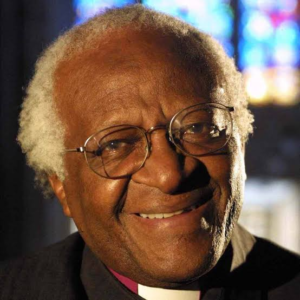
That idea does not belong only to South Africa. It can sit comfortably beside the Nigerian woman greeting someone who refuses to answer her, because respect begins with recognising another person’s humanity.
Martin Luther King Jr. once said, “Love is the greatest power in all the world.”
Those words sound simple until somebody embarrasses you, dismisses your opinion, speaks harshly to you, or treats your kindness as weakness. That is usually where the real struggle begins.
It is easy to be courteous to the person who can recommend you for a job. It is harder to remain courteous to someone who has just spoken rudely to you.
Respect, however, does not mean allowing people to mistreat you. You can draw a boundary without insulting someone, disagree without humiliating them, and walk away without throwing abuse behind you.
A woman once told me, “I stopped answering her insults because every time I did, I became somebody I did not like.”
That sentence stayed with me too. Sometimes we think we are defending ourselves when we are actually allowing another person’s anger to choose our words for us.
This does not mean every relationship should be preserved. Some people need distance. Some behaviour requires a firm response, and some situations demand that we leave completely.
Still, there is a difference between protecting yourself and deliberately becoming hurtful.
We should also examine how we treat people who serve us. A waiter, cleaner, driver, security guard, shop assistant or house help may occupy a different position from ours, but none of those jobs removes anyone’s dignity.
A child deserves respect too. So does an elderly person who cannot help you. So does the colleague whose opinion you dislike.
Inside families, respect can become complicated because familiarity sometimes makes people careless. We speak gently to strangers and then use our sharpest words on the people waiting for us at home.
Marriage can expose the same weakness. Two people may disagree over money, children, relatives or household responsibilities without turning every disagreement into an attack on each other’s dignity.
Even social media has become another place where respect is tested. Behind a phone screen, some people say things they would never say if the person were standing directly before them. A screen does not make the other person less human.
Perhaps that is why the woman’s response impressed me. She did not pretend the other woman had treated her well. She simply refused to copy the behaviour.
“Her behaviour is hers. My respect is mine.”
There is freedom in that kind of thinking. You can choose courtesy without surrendering your boundaries, and you can remain decent without pretending everyone deserves unlimited access to you.
Respect does not require agreement. It does not mean keeping quiet about wrongdoing. It means remembering that correcting someone does not require destroying them.
In the workplace, that can mean correcting a junior employee without embarrassing him. In a classroom, it can mean listening to a student before judging her. At home, it can mean disagreeing without cruelty.
In the marketplace, it may be as ordinary as saying, “Thank you,” to the person who served you, even when the transaction did not go exactly as expected.
These things seem small until we notice how much of daily life is made up of small things.
The way we greet people matters. The way we answer the telephone matters. The way we speak to people who are angry matters. Even the way we leave a relationship can reveal something about us.
I do not think respect should be given blindly, and I do not believe anyone should remain where they are continually abused.
But I have learnt that another person’s bad manners do not have to become an invitation for mine.
The woman who continued greeting the person who ignored her may never change that person’s attitude. She simply decided that someone else’s behaviour would not write the story of her own character.
Personal Thoughts:
I have been thinking about how easily we measure people by what they can do for us. We become careful around powerful people and careless around those we think cannot help us.
Maybe respect should begin before we know someone’s usefulness.
One Thing Worth Remembering:
You cannot choose how people treat you, but you can choose what their behaviour turns you into.
Let’s Talk:
Have you ever continued showing respect to someone who stopped showing respect to you? At what point should respect give way to distance?
















Leave a comment