



Workers Give President Tinubu September 30 Deadline as Fuel Price Hits ₦1,430
Public service workers have given President Bola Tinubu until September 30 to act on their demands for relief from Nigeria’s worsening cost-of-living crisis.
The demand was contained in a letter by the Trade Union Side of the Joint National Public Service Negotiating Council, JNPSNC.
The workers want the Federal Government to stabilise petrol prices at ₦500 per litre and introduce an immediate Wage Award for public servants.
They also demanded an upward review of salaries and allowances across the public service to reflect the rising cost of living.
The council further called for an immediate committee to begin negotiations on a new National Minimum Wage ahead of January 2027.
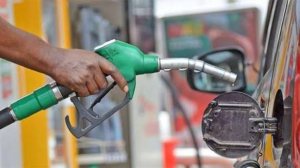
The workers said petrol prices, which have climbed to about ₦1,430 per litre or higher in some areas, have intensified pressure on household finances. (Vanguard News)
They argued that the increase in fuel costs had pushed up transportation expenses and contributed to higher prices for food and other essential goods.
Under their proposed 2027 salary structure, the workers are seeking a minimum monthly salary of ₦500,000 for an officer on Grade Level 01, Step 1.
The JNPSNC also called for harmonised salaries across ministries, departments and agencies, with similar reviews encouraged at the state and local government levels.
It wants salaries and allowances to be reviewed periodically in line with inflation, alongside welfare measures such as subsidised transportation and affordable housing for civil servants.
The council said the removal of fuel subsidy three years ago had contributed to a sharp rise in petrol prices and increased the cost of essential commodities.
It argued that the resulting hardship had significantly weakened the purchasing power of public servants and made it difficult for many workers to meet basic financial obligations.
The workers also rejected food distributions and other palliatives as a lasting solution to the economic crisis.
Instead, they argued that reducing petrol prices would provide broader relief because lower fuel costs could affect transportation and production expenses across the economy.
The council warned that the worsening economic conditions were creating tension among workers and Nigerians.
It therefore urged the Federal Government to respond to its demands by September 30, ahead of the President’s expected Independence Day address.



















Leave a comment