

US Bans Canadian Alcohol, Motorcycles, Dairy Imports As Trade War Escalates
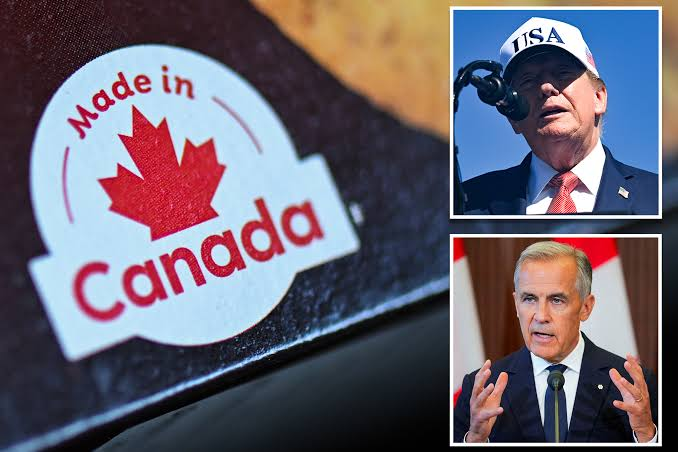
The United States has announced fresh restrictions on Canadian imports, banning a wide range of alcoholic drinks, motorcycles and dairy-related products from September 29.
The move further deepened the growing trade dispute between the two longtime allies.
The latest US measures came shortly after Canada imposed retaliatory tariffs covering about $20 billion worth of American goods.
Canada introduced the counter-tariffs after Washington imposed 50 per cent duties on about $20 billion of Canadian products last month.
The latest US restrictions cover beer, wine, whisky, bourbon, rum, vodka, tequila, brandy and several other alcoholic beverages.

The measures also affect motorcycles and selected dairy products, while various cheese products have been placed under a 50 per cent tariff instead of being banned.
Some paper, aluminium, wood, furniture, lighting and other Canadian products were also added to the list of goods facing higher tariffs.
A US official said President Donald Trump’s threat to increase tariffs on Canadian automobiles from 25 per cent to 50 per cent from January 1 remained in place.
Canadian Minister responsible for bilateral US trade, Dominic LeBlanc, criticised the latest measures and said discussions with US Trade Representative Jamieson Greer were continuing.
Canada’s retaliatory tariffs cover products including steel, furniture, clothing and electronics, with duties ranging from 15 per cent to 50 per cent.
Canadian officials said the measures were intended to increase economic and political pressure on Washington.
Analysts have warned that continued escalation could threaten the United States-Mexico-Canada Agreement, which has supported trade across North America for decades.
Canadian Prime Minister Mark Carney said his country had the resources needed to reduce its dependence on the United States, although he acknowledged that such a shift would come with economic costs.
Canada sends nearly 68 per cent of its exports to the United States, making the trade dispute particularly significant for its economy.
The growing confrontation has also raised concerns among businesses about investment, jobs and economic growth in both countries.