

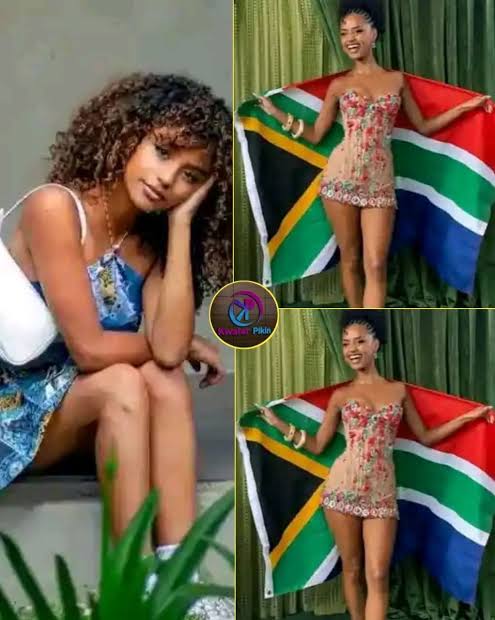
“That Show Must Not Happen” — Tyla’s Lagos Concert Faces Backlash Over South Africa Xenophobia
Nigerian celebrities and social media personalities have launched a campaign against South African singer Tyla’s planned Lagos concert, with growing calls for Nigerians to boycott the event over xenophobic attacks involving Nigerians and other African immigrants in South Africa.
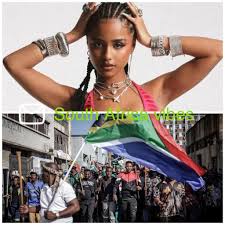
The controversy erupted days after Tyla’s December concert in Lagos was announced, with critics questioning why the singer should be welcomed to Nigeria at a time when Nigerians living or travelling in South Africa continue to face hostility and violence.
A major point of anger among the protesters is Tyla’s perceived silence on the attacks.
They argue that the singer has not used her public platforms to condemn the treatment of Nigerians and other Africans in her home country, yet is prepared to come to Nigeria for a commercial performance.
The campaign gained momentum on Wednesday as several well-known personalities took to social media to make their positions known.
Popular OAP Do2dtun was among those who criticised Nigerians willing to support the concert.
He recalled the controversy surrounding Burna Boy’s relationship with South Africa years ago, arguing that the Nigerian artiste was not given sufficient support when he faced threats connected to his stance on xenophobia.
Do2dtun accused Nigerians of being too willing to turn against their own people while remaining passive when Nigerians face hostility abroad.
BBNaija star Pere Egbi also joined the campaign, calling on the Nigeria Immigration Service to deny Tyla and her team entry into the country.
Pere argued that Nigeria should not continue to extend a warm welcome to foreign entertainers while Nigerian artistes and citizens, according to the campaigners, face a different reception in South Africa.
Content creator Solomon Buchi delivered one of the strongest objections to the concert.
“Tyla is scheduled to perform in Nigeria this December, and that show must not happen,” Buchi said in an Instagram video.
He said the planned performance was insensitive given the recent xenophobia concerns and Tyla’s failure, in his view, to publicly condemn the attacks.
Buchi maintained that Nigerians needed to draw a line and make it clear that cultural exchange should come with mutual respect.
Content creator Sea King also threw his weight behind calls for a boycott, saying he disagreed with anyone insisting that Tyla’s concert must go ahead.
He questioned the judgment of the organisers for proceeding with the event despite the growing public anger, urging Nigerians who shared the concerns to withdraw their support.
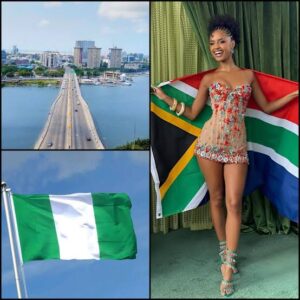
Izzy Ogbeide shifted the focus to the Nigerian government, blaming President Bola Tinubu for what she described as a failure to adequately defend Nigerians in the face of attacks abroad.
In a social media post, she argued that stronger action from the Nigerian government could have sent a different message to South Africa and prevented what she sees as the present situation.
Digital creator Isa Bako also criticised Tyla’s silence over the xenophobia controversy.
However, his suggestion that concertgoers should be physically attacked crossed the line from protest into a call for violence, a position that should not be encouraged.
Another digital creator, D English Alhaji, said Tyla was not welcome to perform in Nigeria, arguing that her refusal to condemn the attacks had made the proposed concert difficult for many Nigerians to accept.
The dispute has now grown into a broader debate about Nigeria-South Africa relations, the responsibility of entertainers and the place of cultural diplomacy in moments of national tension.
Supporters of the campaign believe Nigeria should use its enormous entertainment market to demand reciprocal respect for its citizens.
Others may argue that Tyla, as an individual artiste, should not be held responsible for every action committed by people or authorities in South Africa.
For the campaigners, however, the issue is straightforward: they do not want Nigerians to spend money celebrating an artiste from a country they believe has failed to adequately protect or respect Nigerians.
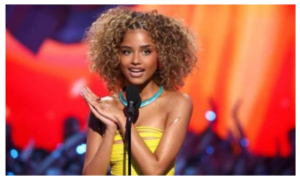
With Tyla’s Lagos concert scheduled for December, the boycott campaign is likely to remain a major talking point as the country weighs entertainment against questions of dignity, solidarity and how Nigerians should respond when their fellow citizens face hostility abroad.