

US Launches Seventh Night of Strikes on Iran as Hormuz Conflict Escalates
The United States has launched a seventh consecutive night of strikes against Iran as the conflict between Washington and Tehran intensifies, with growing fears that the violence could further disrupt shipping and energy supplies across the Middle East.
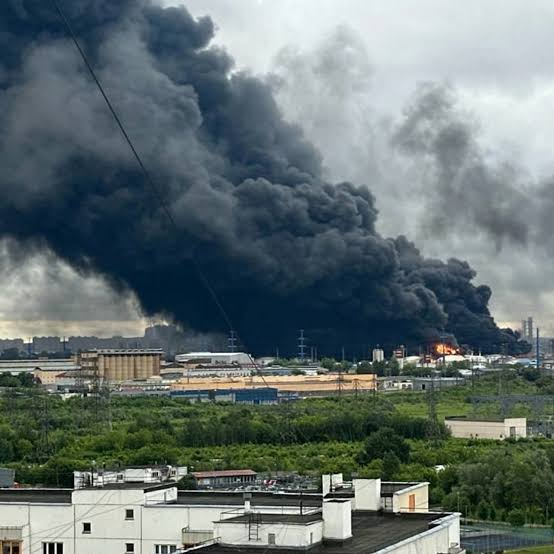
US Central Command said the latest strikes began at about 7pm GMT on Friday and were intended to continue weakening Iran’s military capabilities. Iranian media reported explosions in several cities, including Sirik, Ahvaz and Yazd.
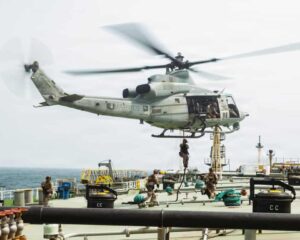
The latest attacks came as tensions around the Strait of Hormuz reached a new level. The strategic waterway is a major route for global energy shipments, and the escalating confrontation has already caused a sharp decline in commercial traffic.
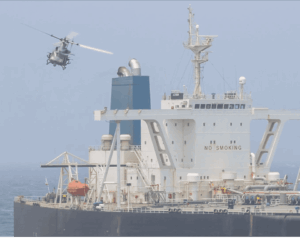
Iran’s Islamic Revolutionary Guard Corps claimed that two oil tankers struck mines in the strait and exploded, but the US military dismissed the claim as false.
Iranian forces later said they had targeted locations linked to US military operations in Bahrain, Kuwait and other parts of the region.
Iranian state media reported attacks on a site where US combat aircraft were allegedly gathered at Sheikh Isa air base in Bahrain, as well as an intelligence facility.
The IRGC also reportedly targeted a US naval fuel-support pier at al-Ahmadi port and a US signals and communications centre in Kuwait.
Kuwait temporarily suspended operations at its international airport following Iranian missile and drone attacks.
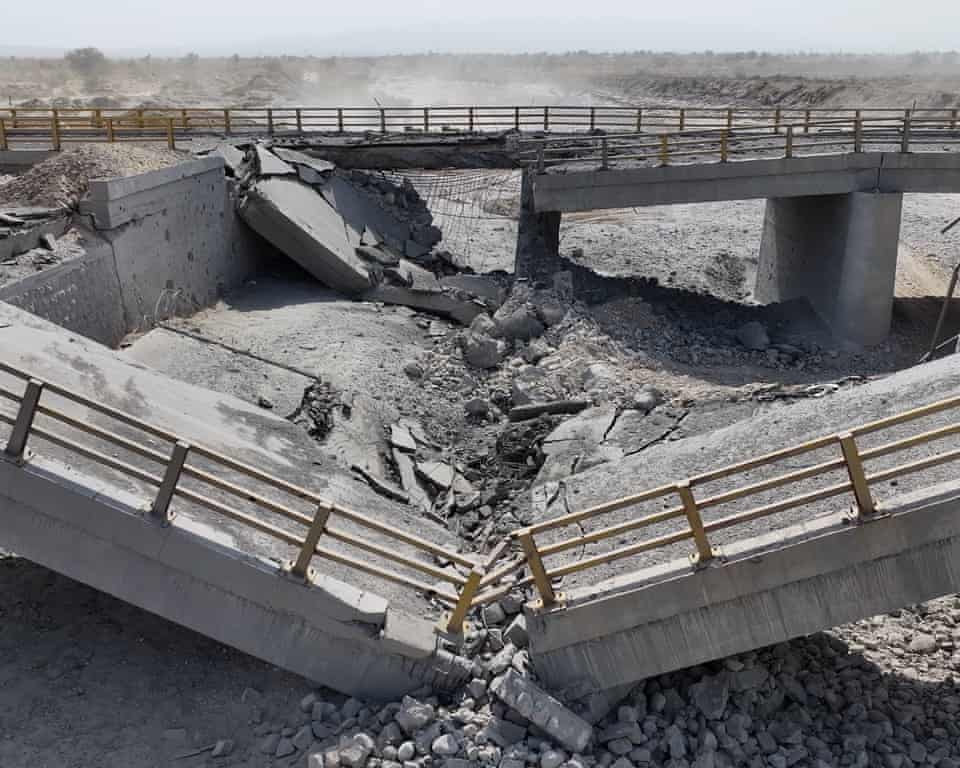
Earlier on Friday, US airstrikes reportedly hit bridges in Iran’s southern Hormozgan province, killing at least seven people, according to Iranian state television.
The bridges serve as an important transit route for Bandar Abbas, Iran’s main port.
The US military also targeted infrastructure in Chabahar port, claiming that an IRGC facility there had been used to support attacks on vessels in the Strait of Hormuz.
Other reported targets included electrical infrastructure and Iranshahr airport.
Iran’s health ministry said renewed American attacks had killed at least 38 people and injured more than 400 others by Friday morning.
The strikes have also placed pressure on Iran’s already strained power network.
The country’s energy ministry urged residents to reduce electricity consumption and limit the use of air conditioning as extreme heat combined with damage to energy infrastructure.
Human rights experts have warned that attacks on civilian facilities not being used for military purposes could potentially constitute violations of international humanitarian law.
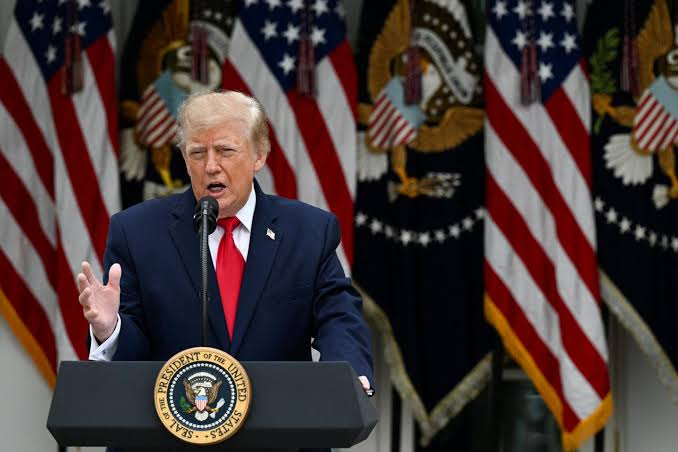
The latest escalation follows President Donald Trump’s reported push for a broader military campaign against Iran, including possible attacks on infrastructure and power facilities.
The aim, according to reports, is to pressure Tehran into reopening the Strait of Hormuz.
The fighting has further weakened a fragile understanding between the two countries that was intended to keep the waterway open and create an opportunity for negotiations toward a lasting ceasefire.
Iran has since closed the strait, while Washington has reimposed a blockade targeting Iranian ports and ships.
The IRGC has warned countries hosting American military bases that they could face retaliation if US attacks on Iranian infrastructure continue.
The Iranian military has also responded with attacks affecting Bahrain, Kuwait, Jordan, Oman and Qatar.
In Qatar, authorities said falling debris injured a child after the country’s air defence systems intercepted incoming missiles.
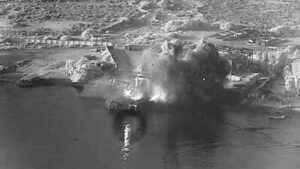
In Kuwait, Iranian strikes reportedly damaged a power and desalination facility. The incident has raised concern because desalinated water provides the vast majority of the country’s drinking supply.
The widening conflict has also created serious concerns for the global energy market. Before the war, the Strait of Hormuz carried about one-fifth of the world’s oil and gas supplies.
Commercial shipping through the waterway has fallen significantly as the confrontation has intensified.
Some vessels have reportedly switched off their tracking systems because of security concerns, while others have chosen to remain in port rather than risk crossing the strait.
Iran has also reportedly asked its allies in Yemen to prepare for possible action against the Red Sea shipping route if the US attacks Iranian energy infrastructure.
Any disruption to both the Strait of Hormuz and the Red Sea could have far-reaching consequences for international trade and energy prices.
Meanwhile, diplomatic efforts to bring Washington and Tehran back to the negotiating table are continuing, although mediators acknowledge that the escalating military confrontation is making a breakthrough increasingly difficult.
Despite the growing regional instability, Trump has maintained that the US military campaign is succeeding, saying the results of the operation would soon become clear.
With the seventh night of strikes now behind them, fears are growing that the conflict could widen further, placing civilians, regional allies and one of the world’s most important energy corridors under even greater pressure.