


By: Chioma Madonna Ndukwu
The Way We Live: Samuel Won the Election. His Father, Alvan, Won History.
The compound was unusually quiet for a house that had been filled with visitors all week.
Only a few days earlier, people had come and gone from the gate carrying campaign posters, discussing polling units, debating predictions, and speaking with the confidence that only elections seem to create.
Now the election was over. The result had been announced. And the man sitting on the veranda had lost.
A young relative stepped outside carrying a tray of tea and placed it beside him.The old man thanked him. Neither spoke for a moment.
The boy kept glancing at him, clearly wanting to ask a question. Finally, he did.
“Papa, are you angry?”
The old man looked up.
“About what?”
The answer surprised the boy.
“The election.”
A small smile appeared on the old man’s face.
“My son won an election. Why should that make me angry?”
The boy stared at him. To him, the answer made no sense. To the old man, it made perfect sense.
Long before there were campaign posters, there had been school uniforms hanging on a clothesline. Long before there were political supporters shouting slogans, there had been a curious child asking questions at the dinner table. Long before there was a contest between two candidates, there had simply been a father raising a son.
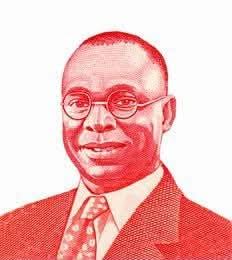
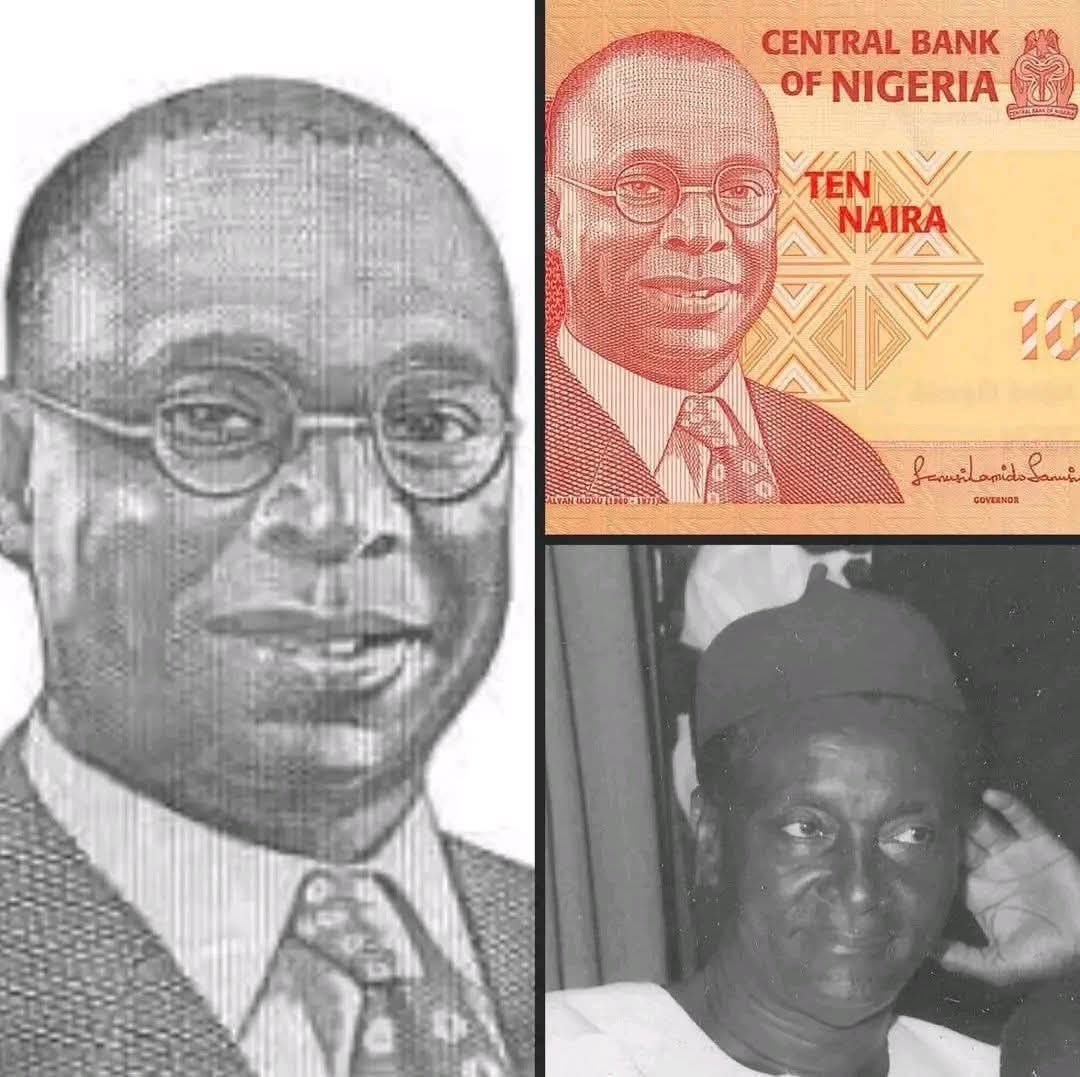
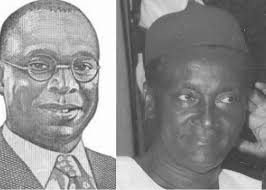
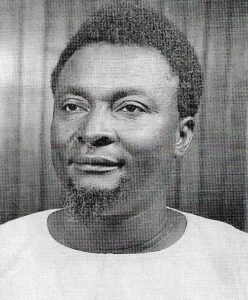
The father was Alvan Ikoku. The son was Samuel Ikoku.
Like many fathers, Alvan Ikoku had spent years doing ordinary things that rarely make history books. He paid fees, corrected mistakes, offered advice, worried about the future, and hoped the boy he was raising would become a man of character.
Then life presented him with a situation few parents ever imagine. An election was announced. Both father and son entered the race.
The news spread quickly through the community. Some people found it amusing. Others found it uncomfortable. A few tried to turn it into a drama.
One evening during the campaign, a supporter approached Ikoku with obvious concern.
“Sir, are you sure this is a good idea?”
“What is?”
“Running against your own son.”
Ikoku laughed.
“We are not running against each other.”
The supporter looked confused.
“But both of you want the same office.”
“That is true.”
“Then how are you not opponents?”
The old man folded his newspaper and looked at him.
“We are opponents in an election. We are not opponents in life.”
The supporter had no answer for that. Perhaps because too many people confuse disagreement with hostility.
Election day eventually arrived, and people cast their votes. The counting began, and by evening, the result was clear.
Samuel had won. Some people celebrated, while others complained.
A few immediately began looking for signs of tension within the family. They found none.
Days later, Samuel visited his father. The excitement surrounding the victory had not yet faded. Friends, supporters, and well-wishers were still calling constantly.
Father and son sat together for a while before speaking.
“I know this cannot have been easy,” Samuel said.
His father looked at him.
“What cannot?”
“Losing.”
The old man smiled.
“My son, if I spent years teaching you to succeed, why would I become unhappy because you did?”
The younger man lowered his head and laughed softly. The answer stayed with him. Years later, it would stay with many others too.
History often celebrates victories, but the older one becomes, the more one realizes that character is revealed more clearly in defeat. Winning is easy to explain, but grace is not.
The story of Alvan Ikoku endured because it revealed something larger than politics. It showed that conviction does not require bitterness and that competition does not require hatred. The world still struggles with that lesson.
Today, friendships collapse over elections. Families stop speaking because of political disagreements. Social media turns neighbours into enemies and encourages people to treat every difference of opinion as a declaration of war.
Yet decades ago, a father and son stood on opposite sides of a political contest and somehow remembered what many people now forget.
Politics is something we participate in. Humanity is something we must keep.
The story brings to mind the words of Nelson Mandela, who once observed, “Resentment is like drinking poison and then hoping it will kill your enemies.”
Alvan Ikoku could have chosen resentment. Instead, he chose dignity.
Another reminder comes from Martin Luther King Jr., who said, “We must learn to live together as brothers or perish together as fools.”
Looking around today, those words feel less like history and more like instruction.
The election ended many years ago. The campaign posters disappeared. The arguments faded.
The office itself eventually belonged to someone else. But one image survives. A father looking at his son’s victory and refusing to see an enemy.
That may be why people still remember the story. Not because of who won. But because of how one man chose to lose.
Moral:
Every generation faces moments when pride asks us to protect our position and humility asks us to protect our relationships. The choices we make in those moments often outlive the victories and defeats that triggered them.
Personal Thoughts:
The quiet truth is that people rarely remember who won every election. They remember the character people displayed when the result did not go their way.
Comment Hook:
If someone you loved stood on the opposite side of your strongest conviction, would the relationship survive the disagreement?














https://shorturl.fm/kWozk
https://shorturl.fm/DWKwb