

Updated: FIFA Tightens Grip With Tough New 2026 World Cup Rules
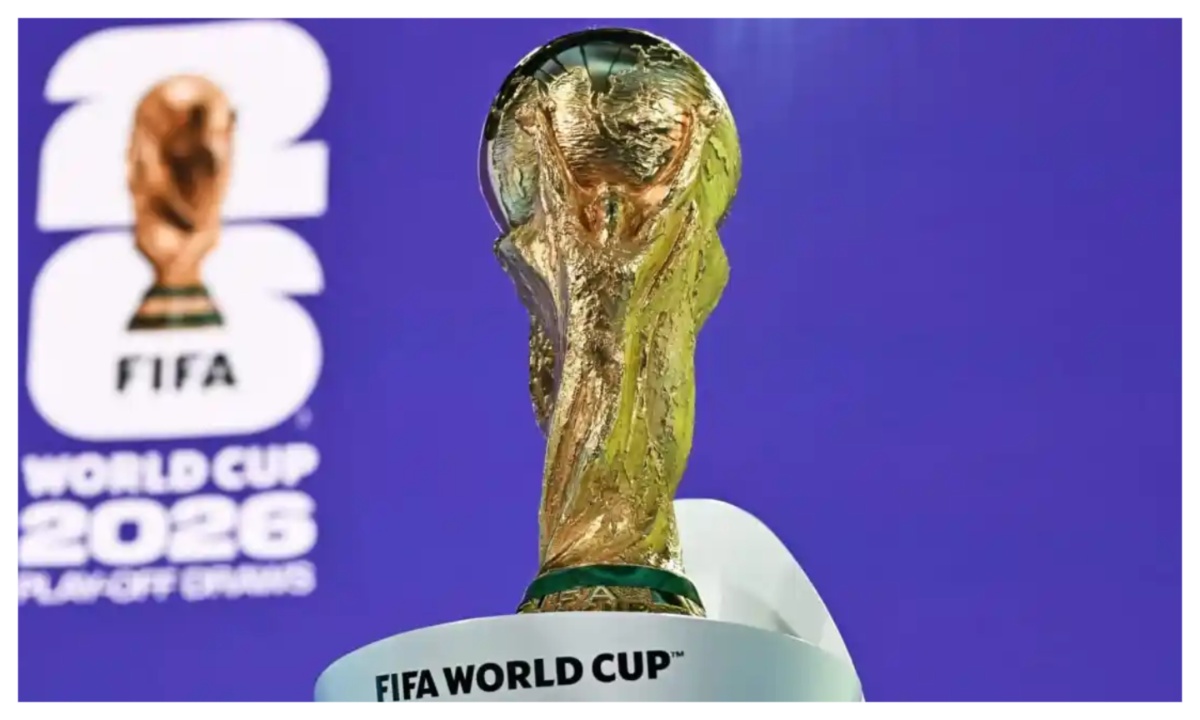
Fans heading into the 2026 FIFA World Cup may witness a very different game, as football authorities roll out a raft of stricter match-control rules designed to punish time wasting, improve discipline and speed up decisions on the pitch.
Among the biggest changes is a new five-second limit on throw-ins, aimed at stopping players from deliberately slowing down the game.
Under the rule, officials may hand possession to the opposing side if a player intentionally delays the restart.
Goalkeepers and defenders are also under fresh pressure, with goal-kicks now carrying the same countdown.
Teams accused of deliberately eating up time risk conceding a corner kick to their opponents.
Substitutions will no longer allow for slow walks and theatrical exits.
Players being replaced are expected to leave the pitch within 10 seconds through the nearest exit point.
Failure to comply could leave their side temporarily reduced to 10 men, as incoming substitutes may be barred from entering for at least one minute.
Medical stoppages are also facing tighter scrutiny.
Players who receive treatment from medical staff during matches may be required to remain off the pitch for 60 seconds before returning, although exceptions exist for goalkeepers, serious injuries, or incidents involving punishments for opponents.
Another eye-catching rule targets heated confrontations.
Football authorities say players who deliberately cover their mouths during tense exchanges with opponents or officials could face severe punishment, including a possible red card sanction.
The Video Assistant Referee (VAR) system is also expected to stretch its reach.
Questionable corner-kick decisions may now be reviewed to ensure they were correctly awarded, provided the checks happen quickly and before play resumes.
In another major adjustment, players dismissed after receiving two yellow cards could have the second caution reviewed after the sending-off, although referees will not stop matches to reassess possible second-booking incidents before a card is shown.
The changes come as organisers prepare for one of the biggest World Cups in history, with officials seeking to cut delays, discourage gamesmanship and keep matches moving at a faster pace.