

By: Chioma Madonna Ndukwu
The Way We Live: What If the Answer to Your Prayer Came Wearing a White Coat?
In Rumuokwurushi, Port Harcourt, Mama Amaka was known for two things. Her voice in church, and her consistency. She never missed midweek service. She never left before the final prayer.
She was the kind of woman people pointed to when they spoke about “strong faith.” So when she fell ill, nobody expected her to question what she believed.
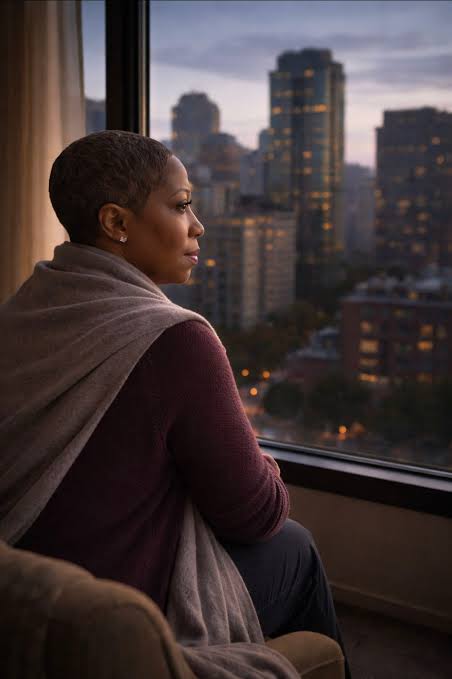
At first, it was a small discomfort, a change she tried to ignore. Then came the hospital visit. Then the word that stayed longer than the consultation. “Cancer.”
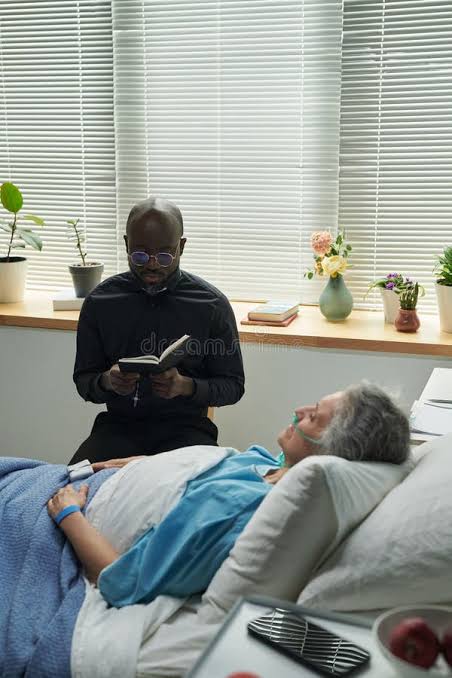
The church did not turn away from her. If anything, it moved closer. Members contributed money for treatment. Women visited her home with prayers and encouragement. Her pastor laid hands on her and told her to hold on to her faith.
For a while, hope and illness shared the same room. Then the hospital recommendation came again.
Treatment was urgent. Time mattered. Doctors spoke plainly about what needed to be done.
But Mama Amaka made a different decision. She looked at the support raised for her and said,
“Take this money back to the church. I cannot use God’s money for my healing. God will heal me Himself.”
Some people nodded. Some were silent. Others were unsure what to say. But faith had spoken, and the discussion ended there.
Months passed.Then more months. Her condition did not get better. It continued quietly, steadily, without argument. What began as a small case advanced. Today, it has reached Stage 4.
The same church that once celebrated her faith now gathers around her differently. Still praying. But now also watching time more closely.
Not far from her story, another woman faced her own decision. Mrs Chinda from Igbo Etche began to struggle with her breathing.
Doctors examined her lungs and recommended surgery. Relatives gathered again. Advice came from different directions.
Some said proceed immediately while others said be careful.
Then came a warning she took seriously. According to her family, her pastor advised against the surgery, saying it could be dangerous.
Fear entered the decision quietly, like a second voice in the room. The surgery was postponed. Then postponed again. Today, she depends on oxygen to breathe. Her condition has not improved.
In both homes, nobody set out to reject life-saving help. They set out to remain faithful. To do the right thing in the eyes of God.
To avoid regret. To trust what they believed was divine guidance. But somewhere along the line, faith became separated from the tools meant to preserve life. That kind of separation carried consequences.
Chinua Achebe once observed, “When the right hand washes the left and the left washes the right, both hands become clean.”
In many communities, faith and medicine were never meant to compete. They were meant to support each other.
But sometimes, fear enters the space between them and turns cooperation into conflict.
Chimamanda Ngozi Adichie once warned about the danger of a single story, how incomplete understanding can quietly become accepted truth.
In matters of health and faith, the single story often sounds like this: If it is God’s will, medicine is unnecessary. But life is rarely that simple.
In hospitals and churches across Nigeria, these conversations continue. Between families and pastors. Between patients and doctors. Between belief and urgency.
Sometimes the delay is short. Sometimes it is long enough to change everything. The uncomfortable question remains:
What if the answer to a prayer was never meant to replace action, but to guide it?
What if help does not always arrive as a miracle, but sometimes as instruction?
And what if refusing that help is not proof of stronger faith, but a misunderstanding of how help arrives?
In Rumuokwurushi, Mama Amaka still prays. Her church still gathers around her. Her story has not ended. But it has changed shape.
It now carries a question that did not exist at the beginning. Not about whether faith is real. But about how people recognise the answers they have been waiting for.
Moral:
Faith is not weakened by wisdom. Belief is not betrayed by treatment. The danger begins when people wait for miracles so long that they fail to recognise help when it arrives
This Remains My Thought: Two women. Two illnesses. Two decisions shaped by faith and fear. Their stories raise a difficult question about how answers to prayer sometimes arrive in unexpected forms.
Comment Hook:
If an answer to prayer comes through knowledge and medical help, are we trained to recognise it, or only to expect something else?











Leave a comment