

By: Chioma Madonna Ndukwu
The Way We Live: A Radio That Knows More Than The Market Can Afford
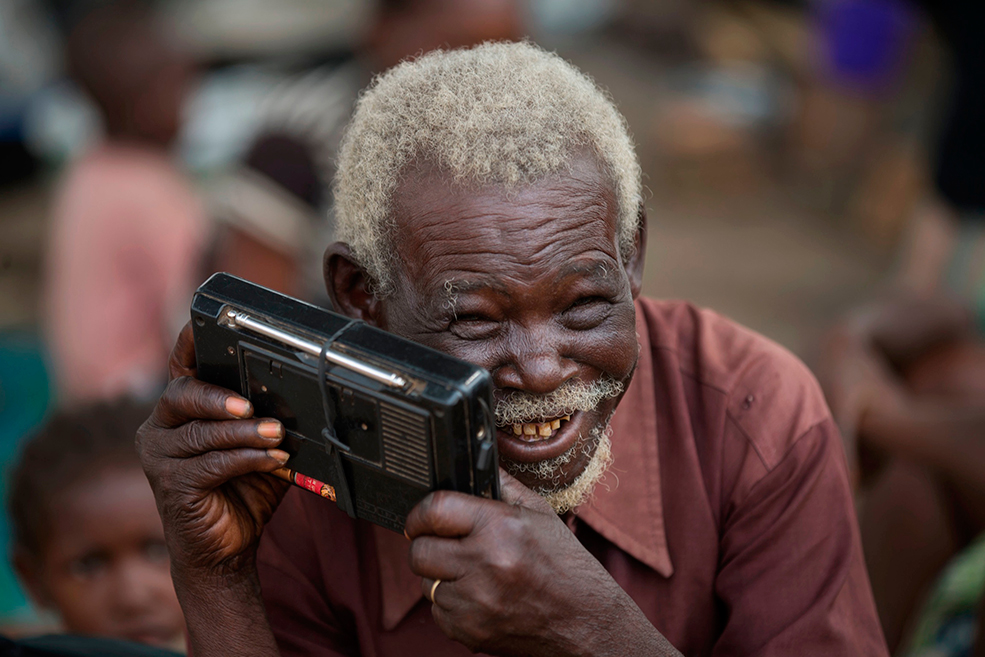
In a small town in eastern Nigeria, a man sits beside an old wooden radio that refuses to stay quiet.
It crackles like it is carrying news from a place the town has not budgeted for. He turns the knob gently, as if sound will behave better with respect.
Outside, the market is already in motion. Voices rise and fall over yam, garri, pepper; life priced in arguments and laughter.
The radio speaks of fuel price changes. Not loudly., not dramatically, just like a statement that expects to be obeyed.
The man pauses, not because he did not hear it, but because some news needs time before it becomes real.
By midday, the market begins to adjust itself in small, invisible ways. Prices do not just rise, they negotiate their own existence.
A woman calls yam “flexible depending on situation.” Another calls garri “something we can still manage for now.”
Language bends when survival starts to tighten its grip. As Chinua Achebe once observed, “There is no story that is not true.”
But truth here is not always loud. Sometimes it enters quietly and changes the way people calculate their next meal.
The same pattern travels far beyond the town. In Cairo, bread is discussed with the seriousness of policy.
In London, transport becomes a monthly battle between effort and income.
In São Paulo, families stretch wages like fabric that refuses to tear, but no longer fits comfortably.
Different cities. Same quiet pressure. A trader laughs softly at one point, then stops mid-breath. It is not humour. It is endurance pretending to be fine.
“This life no dey announce itself,” she says. “E just dey happen.” Nobody corrects her. As Nelson Mandela once reflected, “It always seems impossible until it is done.”
But here, impossible is not an event. It is a routine people wake up inside. Still, by evening, the market returns to itself.
Goods are packed. Conversations reset. Life continues like it always does; carefully, stubbornly.
Not because it is easy. But because stopping is not an option anyone can afford. Maybe the world is not only changing.
Maybe people are quietly learning how to live inside changes they never agreed to. A world adjusting faster than its people can breathe.
COMMENT HOOK:
If prices changed suddenly in your area tomorrow morning, what is the first habit you think people would be forced to drop without warning?















Leave a comment