

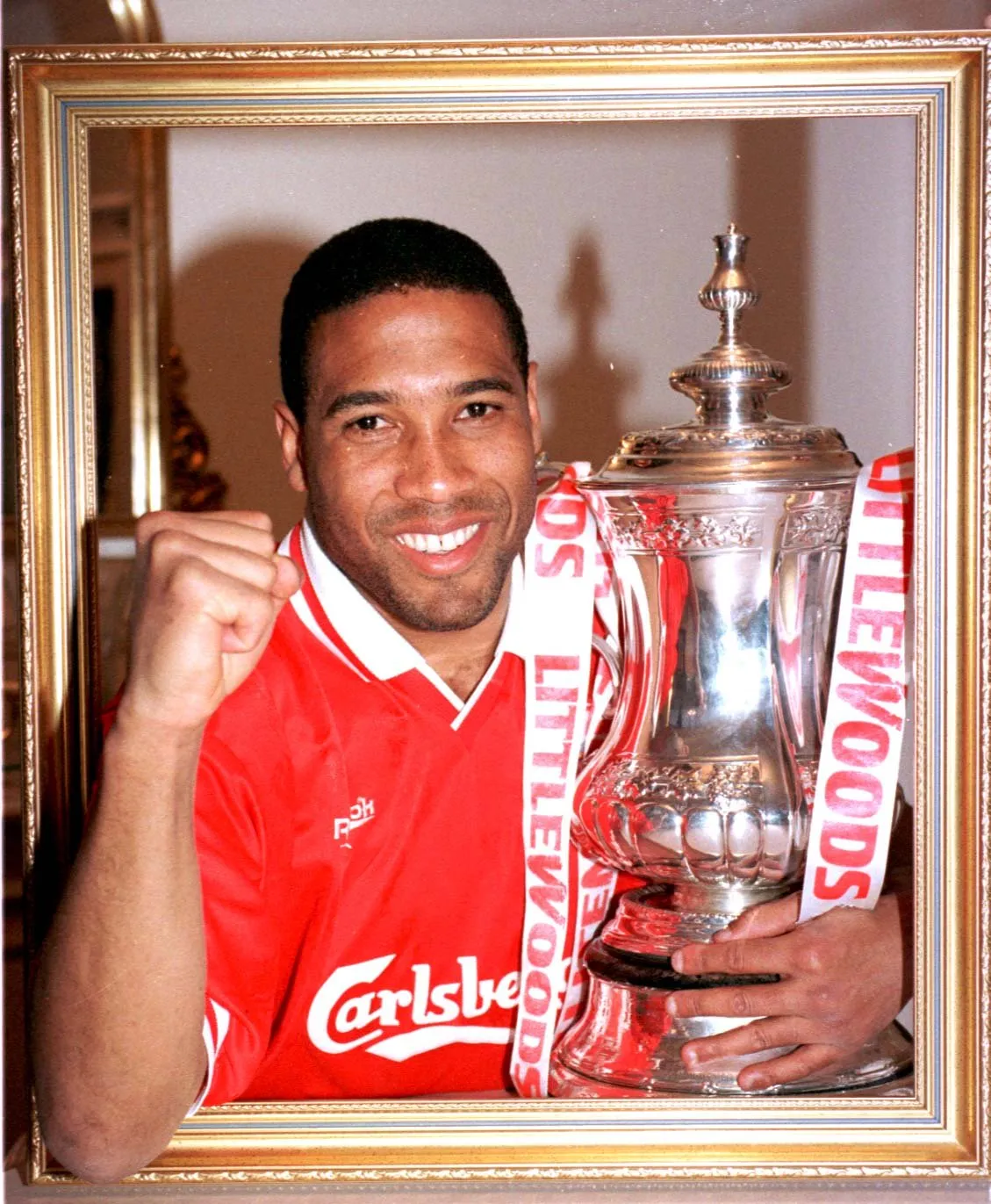
Liverpool Legend Drops Silent Cancer Shock
England and Liverpool icon John Barnes has revealed he quietly battled prostate cancer, admitting the news was kept private for a long period and known to only a few people close to him.
The 62-year-old former winger said the diagnosis only became something he fully confronted after his children encouraged him to undergo medical checks, a decision he now describes as crucial to his health journey.
Speaking in a recent interview, Barnes said many men still avoid testing and discussion around prostate cancer because of stigma and pride.
“Men have to bite the bullet and swallow their pride and admit if they have problems,” he said. “It doesn’t make you less of a man.”
He added that he is currently in stable condition, with his PSA levels now under control following treatment and ongoing monitoring.
Barnes’ revelation has drawn attention partly because of similar disclosures from other football greats, including Sir Kenny Dalglish of Liverpool and former England manager Kevin Keegan, both of whom have spoken publicly about their own cancer experiences.
The former Liverpool star also supported recent health initiatives encouraging black men aged 45 to 74 to participate in prostate cancer screening trials, saying the risk within that group is significantly higher and often overlooked.
Prostate cancer remains the most common cancer affecting men in the United Kingdom, with thousands of new cases diagnosed annually and many deaths linked to late detection.
Health experts continue to stress that early screening and open conversation remain key to improving survival rates.
Barnes, widely regarded as one of Liverpool’s most influential wingers and a key figure in England’s national team during the 1980s and early 1990s, earned 78 caps for the Three Lions between 1983 and 1995.
He scored over 100 goals in his club career and remains one of the most celebrated black footballers in English football history.
His revelation has now added fresh urgency to ongoing conversations about men’s health, early diagnosis, and breaking long-standing silence around cancer screening.























Leave a comment