

By: Chioma Madonna Ndukwu
The Way We Live: The Bicycle By The Fence
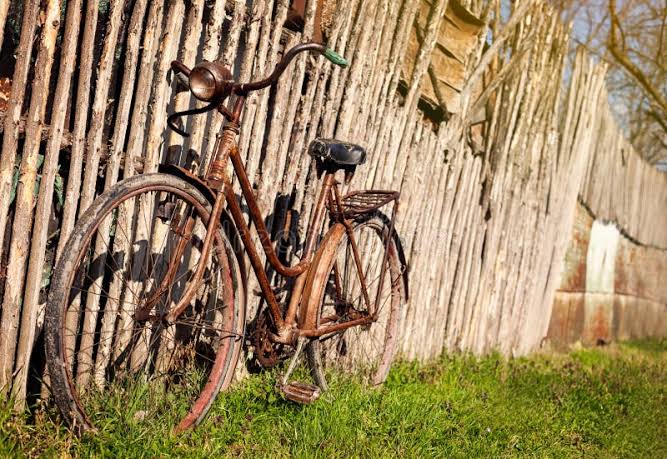
The bicycle had been leaning against the same fence in Awka for almost three years. Its tyres were tired. Its chain complained whenever it moved.
Children used it as a landmark: “Meet me near that old bicycle.”That was what people called it now.
On Wednesday morning, Chike stopped beside it on his way to work. The commercial bus fare had gone up again.
He dipped his hand into his pocket and counted the money twice, hoping numbers might change when checked a second time.
They did not. So he stood there for a moment looking at the bicycle. For the first time in years, it did not look old. It looked useful.
Just a few streets away, officials were marking World Bicycle Day. They spoke about cleaner air, healthier living and cheaper transportation.
The message was simple. Ride more. Spend less. Chike listened from a distance. He agreed with every word. In fact, he wished it were that simple.
The problem was not the bicycle. The problem was the road between where he stood and where he needed to be. A road with impatient drivers.A road with no cycling lane.
A road where people often called home before a journey and after a journey, just to let family know they were still fine.
Later that afternoon, he met a friend who laughed when he mentioned cycling. “Ride bicycle to work?” the man asked. “Na courage pass transport be that.”
They both laughed. Then they both stopped laughing. Because neither of them was entirely joking.
Across the world, bicycles tell different stories. In Amsterdam, thousands of people ride to work without giving it a second thought.
In Copenhagen, children pedal to school the way others board buses. The bicycle there is ordinary.
In many developing countries, it is still an argument waiting to be settled.
As Wangari Maathai once said, “It’s the little things citizens do. That’s what will make the difference. She was right.
But little things often need big support. A seed needs soil. A bicycle needs a safe road. Good ideas need conditions that allow them to live.
By evening, Chike passed the bicycle again. It was still leaning against the fence. Still waiting. Still carrying more possibility than movement.
The next day, government officials would continue discussing greener cities.
Environmental experts would continue speaking about carbon emissions. Transport planners would continue drawing maps.
All important conversations. But for people like Chike, another question comes first. Can an ordinary person move from one place to another without turning the journey into a gamble?
As Chinua Achebe once observed, “The trouble with Nigeria is simply and squarely a failure of leadership.”
The statement is decades old. Yet many citizens still find themselves standing between good ideas and missing conditions. The bicycle remains by the fence. Not as a symbol of failure. But as a reminder.
Sometimes the distance between a solution and success is not the idea itself. It is whether leaders build a road for the idea to travel on.
Hmmm… this remains my thought, “Good ideas cannot ride on broken conditions.”
COMMENT HOOK:
What is the bigger challenge in your community today; finding solutions, or creating the conditions that allow those solutions to work?










Leave a comment