


By: Chioma Madonna Ndukwu
The Way We Live “Leave It to God” — Oma Wonders If We Have Made Faith Our Weakness
“Leave it to God.”
She said it calmly, almost as though those four words should settle everything.
“But she took your money,” I reminded her.
“I know.”
“And you are not going to ask her to return it?”
“I have prayed about it.”
I looked at her. “Prayer is good. But have you asked her for your money?”
She smiled.
“My sister, vengeance belongs to God.”
That answer stayed with me long after our conversation ended.
Not because I disagreed with her faith, but because I began wondering how often we have confused leaving vengeance to God with leaving everything else to Him too.
We hear it everywhere. Somebody owes us money, and someone tells us to pray. Someone damages our reputation, and we are advised to keep quiet.
An employer refuses to pay a worker, and the worker is told not to make trouble. A relative takes what does not belong to us, and the family says, “Forgive. God sees everything.”
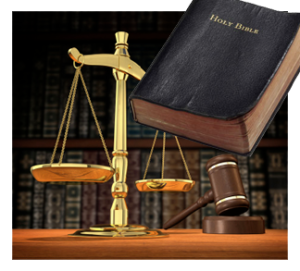
Yes, God sees everything. But does that mean we should see nothing?
I remembered a friend whose business partner had taken money from their joint business.
“You should report him,” I told her.
“I don’t want to fight,” she replied.
“But you are already fighting,” I said. “You are fighting the consequences of what he did.”
“He will answer to God.”
“I believe that. But what are you going to do here on earth?”
She became quiet.
I understood that silence. Many of us have been raised to believe that speaking up makes us troublesome, demanding accountability makes us unforgiving and protecting ourselves makes us less spiritual.
Sometimes we even apologise for defending ourselves.
We say, “I don’t want problems,” when what we really mean is, “I don’t want the trouble that may come with standing up for myself.”
And because we don’t want trouble, we tolerate things we should confront.
But forgiveness does not mean giving someone permission to repeat the same offence.
Peace does not mean surrendering your rights. Faith does not require you to remain a convenient victim.
You can forgive someone who stole from you and still report the theft. You can let go of hatred and still demand accountability.
You can pray for someone who hurt you and still decide that you will never allow that person to cross the same boundary again.
There is a difference between vengeance and justice.
Vengeance says, “You hurt me, so I will hurt you.”
Justice says, “What happened was wrong, and it needs to be addressed.” That distinction matters.
I once heard two women discussing a friend who had been repeatedly taken advantage of.
“Why doesn’t she say something?” one asked.
“She doesn’t want people to think she is difficult.”
“What does she want?”
“She says she just wants peace.”
The other woman shook her head.
“Peace that requires you to keep swallowing pain is very expensive.”
I thought about that sentence for a long time.
How many people are paying for peace with their dignity? How many are sacrificing their boundaries because they are afraid of being called disrespectful?
How many are allowing people to take advantage of them because they have been told that a good Christian must simply endure?
There is nothing wrong with enduring hardship when hardship cannot be avoided. But there is something troubling about choosing helplessness when lawful action is available.
The Bible itself makes a distinction between personal vengeance and lawful authority.
Romans 12:19 warns against taking revenge, while the following chapter recognises the role of civil authority in dealing with wrongdoing.
So perhaps the problem is not the instruction to leave vengeance to God. Perhaps the problem is how we sometimes interpret it.
We take our hands off the steering wheel and call it faith. We stop speaking and call it peace. We refuse to act and call it patience. We even allow people to violate our boundaries and call it forgiveness.
That is where faith can become a weakness—not because faith is weak, but because we have allowed religious language to make us afraid of doing what is right.
Martin Luther King Jr. once said, “The moral arc of the universe bends at the elbow of justice.”
Justice does not happen simply because people pray for it. People also have to speak, challenge wrongdoing and use the legitimate systems available to them.
That does not make them vindictive. It makes them responsible.
I went back to the woman whose money had been taken.
“You have prayed,” I told her.
“Yes.”
“Good. Now what?”
She laughed.
“I think I will ask her for my money first.”
“And if she refuses?”
“I will find out what lawful options I have.”
Something had changed in her voice. She was no longer talking about revenge. She was talking about responsibility. And it could be what many of us need to recover.
You do not have to become cruel to become courageous. You do not have to hate someone to establish a boundary. You don’t even have to abandon your faith to defend your dignity.
If someone cheats you, seek lawful redress. If someone defames you, defend your name through legitimate means.
If someone owes you money, ask for it. If someone repeatedly violates your boundaries, say no.
None of these things requires revenge. They require you to remember that your life, your dignity and your rights also matter.
The familiar saying that God helps those who help themselves should not be understood as a replacement for faith.
For me, it simply means that we should do what is humanly possible within our power and leave what is beyond our power to God.
There are battles we can fight, and there are battles we cannot. Wisdom is knowing the difference.
Maybe we have been too quick to tell people to “leave it to God” without asking whether there is something God expects them to do first.
Pray, but investigate. Forgive, but learn. Trust God, but set boundaries. Seek peace, but don’t make peace with injustice.
Because faith should not make a person easier to oppress.
And the next time somebody tells you, “Leave it to God,” maybe you can pause before accepting the advice and ask yourself one simple question: What part of this belongs to God, and what part is my responsibility?
That question may be the beginning of courage.

Personal Thoughts
I have learnt that defending myself does not make me bitter, and asking for justice does not mean I have stopped forgiving. Sometimes forgiveness frees the heart while boundaries protect the life
One Thing Worth Remembering
Faith should strengthen your backbone, not become the reason you surrender it.
Leaving vengeance to God does not mean leaving justice unattended. We can trust God while doing everything lawful and reasonable within our power.
Editor’s Note
This episode reflects on the difference between forgiveness, vengeance, justice and personal responsibility. It does not encourage retaliation; it encourages lawful action, healthy boundaries and responsible faith.